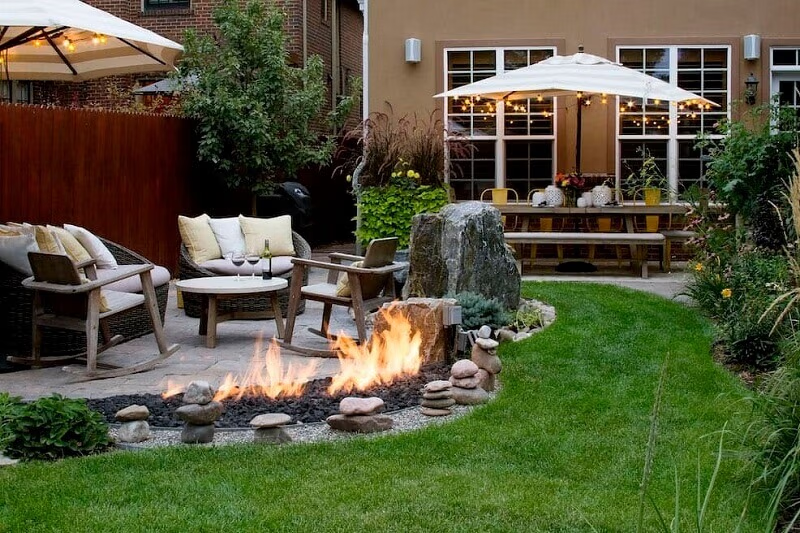

Small homes have a way of making people think harder, and that is usually a good thing. When space is tight, every decision starts to matter a bit more. A wall finish, a window position, a patch of shade in the afternoon, even the kind of insulation tucked into the ceiling. Suddenly, the house is not just a house. It is a little system, and if it is built well, it can feel roomy, calm, and far easier on the wallet.
Across Australia, compact homes and backyard dwellings are picking up serious momentum. Families want more flexibility, renters want better options, and homeowners are looking at ways to make the most of land they already own. In places like Western Sydney, where summers can be scorching and blocks are often put to the test, smart building choices are not just a nice extra. They make everyday life better.
Why sustainable choices matter in smaller homes
Compact homes have a natural advantage. They need fewer materials, less land, and often less energy to run. That sounds simple, yet the real magic happens when the building is planned with care from the start. A tiny place with poor airflow and cheap glazing can feel like a hotbox in February and a fridge in July. Nobody wants that. Not even the dog.
Sustainable choices help steady the temperature, reduce running costs, and improve comfort. That matters in a granny flat, studio, or backyard dwelling where the footprint is modest and every square metre has to earn its keep. A well-planned build can also age better. Less wear, lower bills, and fewer headaches when the weather gets moody, which, in Australia, is pretty often.
Start with orientation and natural light
Before talking about fancy finishes, it pays to look at where the home sits on the block. Orientation has a huge impact on how a small home feels through the seasons. North-facing living areas are often a clever move because they can bring in steady winter sun without turning the place into an oven all summer, especially when eaves or shading are handled properly.
Natural light is another quiet hero. In compact spaces, daylight makes rooms feel bigger and lifts the mood. No one really enjoys living under a dim yellow bulb all day unless they are filming a moody detective series. Thoughtful window placement, skylights, and glass doors can brighten the interior while cutting down on artificial lighting use.
Insulation is not exciting, but it pulls its weight
Insulation does not usually get the applause, yet it is one of the best investments in a compact home. Good insulation in the walls, roof, and even under the floor helps keep indoor temperatures steadier. That means less reliance on heating and cooling, which is kinder to both the power bill and the environment.
In hot parts of Australia, reflective roof materials can also make a real difference. Pair that with proper insulation and you have a home that copes far better with summer heat. In cooler regions, the same approach helps trap warmth. It is not glamorous, sure, but neither is paying too much for electricity every month.
Choose materials that last and age well
Sustainable building is not only about energy use. Materials matter too. Timber from responsibly managed sources, recycled bricks, low-tox paints, and durable cladding can all reduce the environmental footprint of a build. A material that lasts longer often saves more in the long run than one that looks trendy for five minutes and then starts misbehaving.
There is also something to be said for low-maintenance surfaces in a smaller dwelling. Backyard homes often sit closer to gardens, fences, and changing weather conditions, so materials need to handle moisture, heat, and the odd bump without falling to pieces. A compact build should feel practical, not precious.
Water saving should be built in, not added as an afterthought
Water efficiency is a big deal in Australia, and smaller homes can make smart use of it without much fuss. Rainwater tanks, efficient taps, dual-flush toilets, and water-wise landscaping all help reduce demand. Even a modest tank can be useful for garden irrigation or laundry use, depending on the setup and local rules.
Native plants are worth a proper look as well. They tend to handle local conditions better and usually need less water once established. Around Sydney, that can mean less time dragging a hose around on a Sunday afternoon and more time doing literally anything else.
Ventilation keeps things feeling fresh
A compact home can feel closed-in very quickly if fresh air is not part of the design. Cross-ventilation, louvres, awning windows, and ceiling fans all help keep air moving. That matters in humid regions and coastal areas, but it is just as useful inland when the heat hangs around.
Good ventilation also helps reduce dampness and mould, which can become a nuisance in smaller dwellings if moisture is trapped inside. A home that breathes properly usually feels lighter, cleaner, and far more comfortable. Tiny homes should be cosy, not clammy.
Solar power makes a lot of sense on compact roofs
One of the nice things about backyard dwellings is that they often have enough roof space for solar panels, even if the home itself is small. That makes renewable energy a realistic option for many homeowners. With good positioning and sensible energy use, a small dwelling can cover a decent chunk of its power needs from the roof alone.
Battery storage may also be worth looking into, depending on the household setup and budget. While the upfront cost can sting a bit, the long-term savings and energy independence can be appealing. In the right setting, solar is not just a green choice. It is a practical one.
Design for flexibility, not just size
Compact homes work best when the layout is clever. A room that does one thing only can feel wasteful, while a flexible space can adapt to changing needs. Think fold-away desks, built-in storage, sliding partitions, and multi-use rooms. A little ingenuity goes a long way.
This kind of thinking is especially handy for families building secondary dwellings or moving ageing parents closer to the main house. Needs change. A layout that can shift with them is worth far more than an awkward extra hallway collecting dust.
Local know-how makes the difference
Rules, weather, block size, and council requirements all vary around Australia, so local experience really matters. That is one reason many homeowners look for granny flat builders western sydney who understand both the building side and the local conditions. A good builder will think about heat gain, setbacks, council approvals, and practical materials before the first hammer swings.
In Western Sydney especially, the climate can be demanding. Summer heat, strong sun, and changing site conditions all push a compact home harder than people expect. A build that responds to those realities tends to be more comfortable and far less expensive to run over time.
Small footprint, smarter living
There is something appealing about a home that gets the basics right without showing off. Sustainable compact homes are not about being flashy. They are about comfort, efficiency, and sensible design choices that make daily life easier. If a backyard dwelling stays cooler, uses less water, and costs less to run, that is a pretty solid win.
And honestly, that is what most people want. A place that feels good to live in, holds up well, and does not make the power bill look like a joke. With the right materials, thoughtful planning, and a bit of local know-how, a small home can punch well above its weight.