

Homeowners today rely on electricity for nearly every aspect of daily life. From powering appliances and entertainment systems to supporting remote work setups and smart home technology, a dependable electrical system has become essential. As homes continue to incorporate more devices and advanced technology, the importance of professional electrical services grows alongside these demands.
While many home improvement projects can be handled with basic tools and a bit of research, electrical work remains one area where expertise makes a significant difference. Proper installation, maintenance, and upgrades not only improve functionality but also help ensure long-term reliability and safety.
The Growing Demands on Residential Electrical Systems
Many homes were built during a time when electrical demands were significantly lower than they are today. Decades ago, households typically operated a handful of major appliances, a television, and a few lighting fixtures. Modern homes, however, often contain dozens of connected devices running simultaneously.
Some common additions that increase electrical demand include:
- Home office equipment
- Electric vehicle chargers
- Smart home devices
- Advanced entertainment systems
- High-efficiency HVAC equipment
- Modern kitchen appliances
- Security and surveillance systems
As these technologies become standard, older electrical systems may struggle to keep pace. Homeowners often discover issues such as overloaded circuits, frequent breaker trips, flickering lights, or insufficient outlet capacity.
Why Electrical Upgrades Are a Smart Investment
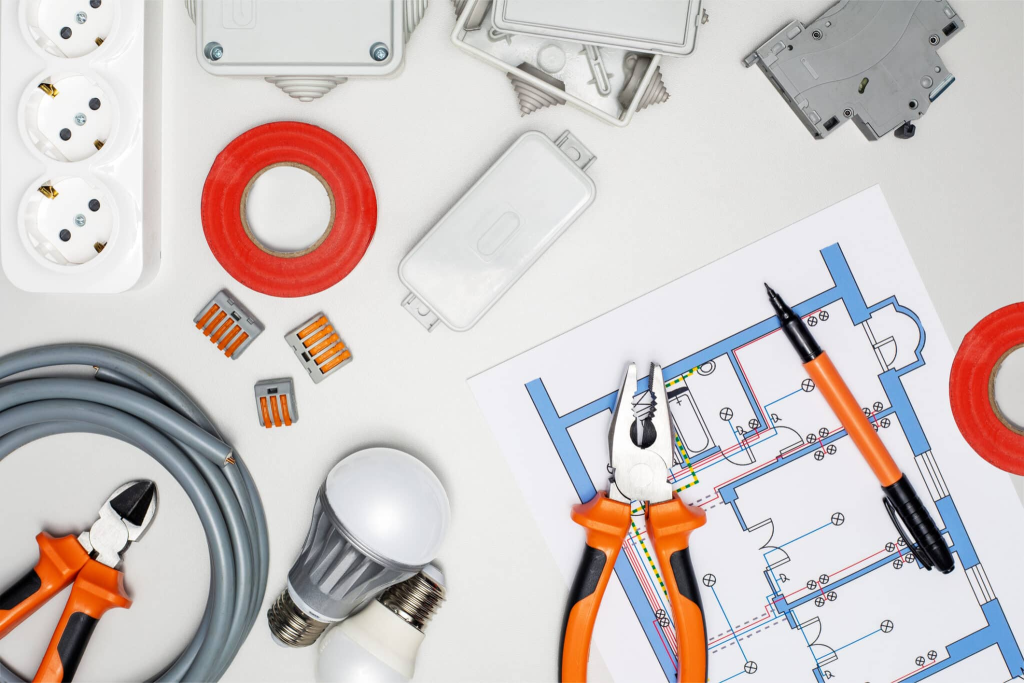
Electrical upgrades are often overlooked because much of the system remains hidden behind walls and ceilings. However, upgrading key components can provide substantial benefits.
Improved Reliability
A modern electrical system is designed to handle today’s power requirements more efficiently. Upgraded panels, wiring, and circuits can reduce interruptions and improve overall performance.
Better Energy Efficiency
Electrical improvements often complement energy-efficient appliances and lighting systems. Proper wiring and updated components help ensure these technologies operate as intended.
Increased Property Value
Potential buyers increasingly pay attention to a home’s infrastructure. An updated electrical system can be viewed as a valuable feature that reduces future maintenance concerns.
Enhanced Convenience
Additional outlets, dedicated circuits, and modern lighting controls can significantly improve day-to-day comfort and usability throughout the home.
Common Signs That Professional Attention May Be Needed
Many homeowners are unsure when it’s time to seek professional assistance. Fortunately, there are several indicators that should not be ignored.
These warning signs may suggest the need for inspection or upgrades:
- Circuit breakers trip frequently.
- Lights dim when appliances start.
- Outlets feel warm to the touch.
- Buzzing sounds come from switches or panels.
- Certain rooms lack sufficient outlets.
- The home still uses outdated wiring systems.
- Renovations require additional electrical capacity.
Addressing these issues early can help prevent larger and more expensive problems later.
The Value of Professional Expertise
Electrical systems involve far more complexity than many people realize. Modern installations require knowledge of codes, load calculations, safety procedures, and proper equipment selection.
Professional electricians bring experience that helps ensure projects are completed correctly from the start. Whether installing a new lighting system, upgrading a service panel, or wiring an addition, trained professionals understand how different components interact within the broader electrical network.
Homeowners researching electrical improvements can learn more from thetrusted electricians at Avant Electric, whose work highlights the importance of quality craftsmanship and professional installation practices.
Choosing qualified professionals often helps minimize future repairs while supporting long-term system performance.
Planning for Future Electrical Needs

One of the biggest mistakes homeowners make is focusing only on current requirements. Electrical systems should be designed with future growth in mind.
For example, a homeowner may not currently own an electric vehicle, but adding infrastructure during a renovation can make future installation much easier. Similarly, planning for additional circuits, smart home integration, or expanded living spaces can prevent costly modifications later.
A forward-thinking approach often includes:
Panel Capacity Evaluation
Electrical panels serve as the central hub of the home’s power distribution. Ensuring adequate capacity allows the system to support future technologies and appliances.
Strategic Outlet Placement
Thoughtful outlet placement improves convenience and reduces dependence on extension cords and power strips.
Smart Home Readiness
Many homeowners are embracing automation features such as smart lighting, thermostats, security systems, and energy monitoring tools. Proper wiring infrastructure supports seamless integration.
Outdoor Power Requirements
Outdoor kitchens, landscape lighting, workshops, and recreational spaces increasingly require dedicated electrical solutions.
Safety Should Always Be a Priority
Electrical safety remains one of the most important reasons to rely on qualified professionals. Improper installations or aging components can create risks that may not be immediately visible.
Routine inspections and maintenance help identify concerns before they escalate. Even seemingly minor issues, such as a malfunctioning outlet or recurring breaker trip, can indicate underlying problems that deserve attention.
A proactive approach to maintenance often provides peace of mind while helping homeowners avoid unexpected disruptions.
The Role of Electrical Systems in Modern Living
As technology continues to evolve, the electrical infrastructure supporting our homes becomes increasingly important. Reliable power is no longer simply a convenience—it is a fundamental requirement for work, communication, entertainment, security, and everyday comfort.
Investing in professional electrical services helps ensure that homes remain capable of meeting today’s demands while preparing for tomorrow’s innovations. Whether upgrading aging systems, expanding capacity, or improving efficiency, thoughtful electrical planning can deliver benefits that extend well beyond the immediate project.
Conclusion
Modern homeowners depend on electrical systems more than ever before. As power demands continue to grow, maintaining a reliable and efficient electrical infrastructure becomes increasingly important. Professional installation, routine maintenance, and strategic upgrades can improve safety, support new technologies, and enhance overall home functionality.
By recognizing warning signs early and planning for future needs, homeowners can make informed decisions that protect their investment and improve their daily living experience. Quality electrical work is not simply about powering devices—it’s about creating a dependable foundation for the modern home.