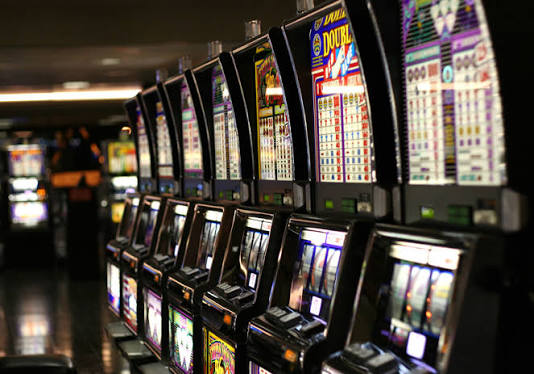
Slot games have changed considerably over the years. What once started as simple mechanical machines with spinning reels has developed into a wide range of digital games available on computers, tablets, and mobile phones. Today, players can find different themes, visual styles, bonus features, and game formats, each offering a slightly different experience.
But what actually makes a slot game interesting? Is it the design, the familiar spinning reels, or the excitement of waiting to see how symbols land? The answer often depends on the individual. Some people enjoy the simplicity of traditional games, while others prefer modern versions with additional features and interactive elements.
Understanding how slot games operate can help people make informed decisions, recognize the role of chance, and approach online gaming more responsibly. Before getting started, it’s worth looking beyond the graphics and understanding what happens behind the screen.
What Is a Slot Game?
A slot is a game of chance that traditionally uses spinning reels containing different symbols. Players activate the reels and wait for them to stop. Depending on the game’s rules, certain symbol combinations may produce a payout.
Traditional slot machines were mechanical devices found in casinos and entertainment venues. Their operation was relatively straightforward. A player inserted money, activated the machine, and watched the reels rotate.
Modern digital versions follow a similar basic idea but offer considerably more variety. Instead of physical reels, software creates the spinning animation and determines the outcome.
For example, one game might feature fruit symbols and classic casino graphics, while another uses adventure themes, colorful characters, or fantasy-inspired designs. The underlying concept remains familiar even when the presentation changes.
That’s part of the appeal. The basic rules are often easy to understand, making slot games accessible to people who don’t want to learn complicated strategies.
How Slot Games Work
Understanding the mechanics behind a slot game is more useful than simply looking at its appearance.
Most modern online slot games use a Random Number Generator, commonly called an RNG. This technology produces random outcomes that determine which symbols appear when a game round finishes.
The spinning reels are primarily a visual representation of the result. The software determines the outcome independently of how exciting or realistic the animation looks.
A typical game round follows a straightforward process:
- The player selects a permitted stake.
- The player activates the spin.
- The game generates an outcome through its random system.
- The reels display the corresponding symbols.
- The game calculates whether the result matches a winning combination.
One important point deserves attention: previous results don’t predict future results in a properly functioning RNG-based game. If a machine has produced several losing outcomes, that doesn’t mean a win is becoming more likely.
This is where understanding probability matters. A slot game isn’t a puzzle that players can reliably solve by identifying patterns.
Different Types of Slot Games
Not every slot game looks or behaves the same way. Developers create different formats to appeal to different preferences, and the differences can influence the overall experience.
Classic slots
Classic slots take inspiration from traditional machines. They generally feature familiar symbols, straightforward layouts, and relatively simple rules. Players who prefer uncomplicated designs may find this format easier to understand.
Video slots
Video slots use digital graphics, animations, and themed environments. Some include multiple paylines, additional symbol combinations, and bonus rounds.
Their visual presentation can be more elaborate than traditional games, although attractive graphics don’t change the underlying element of chance.
Progressive jackpot slots
Progressive jackpot games are designed around prize pools that can increase as eligible wagers contribute to the jackpot. Depending on the game, the prize may continue growing until a qualifying outcome occurs.
These games can attract attention because of their advertised jackpot amounts. However, a large potential prize doesn’t mean that winning is likely.
Megaways-style slots
Some modern games use changing reel structures, creating different numbers of possible symbol combinations on each spin. This adds variety to the gameplay and can make the presentation more complex.
Regardless of the format, players should always understand the rules, payout information, and risks before participating.
Features That Shape the Experience
Modern slot developers pay considerable attention to presentation. A game isn’t simply a collection of symbols anymore. It may include animations, sound effects, interactive bonus rounds, and different visual environments.
One common feature is the wild symbol. Depending on the rules, it can substitute for other symbols to help create qualifying combinations.
Scatter symbols work differently. In some games, collecting a specified number of scatters activates a bonus feature or free-spin round.
Free spins allow players to complete additional rounds under specific conditions without placing another base-game stake for each spin. However, the precise rules vary between games.
Some slots also include multipliers, expanding symbols, or special bonus games.
Here’s the thing: additional features don’t necessarily make a game more favorable. They mainly change how the game operates and how its outcomes are presented.
Reading the paytable is therefore a sensible habit. It explains symbol values, bonus conditions, and other important rules that aren’t always obvious from the main screen.
Why Slot Games Attract Players
There are several reasons why slot games continue to attract attention.
Simplicity is one of the biggest factors. Unlike games that require detailed knowledge or extensive practice, many slots have basic controls that players can understand quickly.
Visual variety also matters. Someone might enjoy an Egyptian-themed game, while another person prefers colorful fruit symbols or futuristic graphics.
Convenience plays a role, too. Digital platforms make it possible to access compatible games through different devices, depending on local availability and applicable laws.
The short format of individual rounds can also make these games feel easy to approach. A person can understand the basic mechanics without spending hours learning complicated instructions.
However, convenience has a downside. Easy access can make it harder to recognize how much time or money is being spent. That’s why entertainment should never come at the expense of financial stability.
Choosing an Online Slot Platform Carefully
If someone is researching online slot platforms, the quality and reliability of the service should matter more than flashy advertisements.
A professional-looking website doesn’t automatically mean that its games are fair or that its financial practices are trustworthy.
Start by checking whether the operator is legally permitted to provide gambling services in your location. Gambling laws differ significantly between countries and regions, and some platforms may not be authorized to accept local players.
Transparency is another important consideration.
A responsible operator should provide clear information about:
- Licensing and regulatory oversight.
- Game providers and software information.
- Terms and conditions.
- Deposit and withdrawal requirements.
- Privacy and account security.
- Responsible gambling tools.
Pay particular attention to payment conditions. Promotional offers can sometimes include restrictions that aren’t immediately obvious. Read the complete terms before accepting any bonus or sharing financial information.
Avoid websites that promise guaranteed winnings, pressure visitors into depositing money, or make unrealistic claims about winning strategies.
A trustworthy service should explain its conditions clearly rather than relying on exaggerated marketing.
Mobile Slot Gaming and Convenience
Mobile technology has made digital entertainment more accessible. Many modern slot games are designed to work on smartphones and tablets as well as desktop computers.
Responsive layouts allow game screens to adjust to different display sizes. Buttons, menus, and other controls can also be optimized for touchscreens.
Imagine someone browsing a game on a desktop computer before switching to a tablet. A properly optimized platform should provide a reasonably consistent interface across both devices.
However, mobile convenience shouldn’t encourage careless participation.
Small screens can make it easier to overlook important information, especially when terms, payment details, or game rules are displayed in separate menus.
Before using any platform, check its security settings and avoid accessing financial accounts through public Wi-Fi networks.
It’s also sensible to keep software updated and use strong, unique passwords.
Understanding Randomness and Winning Chances
One of the biggest misunderstandings surrounding slot games is the belief that a particular pattern can predict a winning result.
Modern RNG-based games are designed to produce random outcomes. A previous spin doesn’t create a reliable indication of what will happen next.
Two important concepts help explain the mathematics behind these games.
Return to Player (RTP)
RTP represents the theoretical percentage of total wagers a game is designed to return over an extremely large number of rounds.
For example, a theoretical RTP of 96% means that the game is designed to return $96 for every $100 wagered across a sufficiently large sample.
It doesn’t mean that an individual player will receive $96 after wagering $100. Short-term results can be very different.
Volatility
Volatility describes how a game distributes its potential payouts.
Lower-volatility games generally offer more frequent but smaller potential payouts, while higher-volatility games may produce less frequent but larger potential payouts.
Neither category guarantees a particular result.
Understanding these concepts helps separate mathematical information from misleading claims. No betting system can guarantee a profit from a game based on random outcomes.
Responsible Gaming: Keeping Entertainment Under Control
Responsible gaming should be considered before playing, not after a problem develops.
Slot games involve financial risk, and players can lose the money they wager. For some people, gambling can also develop into a serious behavioral and financial problem.
A sensible approach starts with clear personal boundaries.
Never use money intended for rent, groceries, bills, education, or other essential expenses. Avoid borrowing money to gamble, and don’t increase stakes to recover previous losses.
Time limits are equally important. It’s easy to lose track of time when rounds follow one another quickly.
Consider using available deposit limits, spending controls, and self-exclusion options. These tools can help people maintain boundaries or stop gambling when necessary.
Another important rule is to avoid playing when feeling stressed, upset, or under financial pressure. Gambling isn’t a reliable way to solve money problems.
If gambling starts affecting relationships, work, finances, or emotional well-being, taking a break and seeking professional support is a sensible step.
The Future of Slot Games
The digital gaming industry continues to evolve, and slot games are likely to reflect broader developments in technology.
Improved graphics, faster software, and more sophisticated mobile interfaces are already changing how digital games look and feel.
Some developers are experimenting with interactive environments and more elaborate storytelling. Others focus on improving accessibility and making game information easier to understand.
Artificial intelligence and data analytics may also influence how gaming platforms manage customer support, security, and user experiences.
However, technological improvements don’t remove the risks associated with gambling.
Fairness, transparency, consumer protection, and responsible gaming should remain central to the industry’s development.
The most impressive graphics or complicated bonus features mean very little if a platform fails to protect its users.
Final Thoughts
Slot games have developed from simple mechanical machines into sophisticated digital entertainment experiences. Their familiar mechanics, different themes, and varied features explain why they continue to attract attention.
Still, understanding how they work is more important than being impressed by their presentation. Random outcomes, theoretical RTP figures, and different volatility levels all influence how these games operate.
Anyone researching slot gaming should pay attention to local regulations, platform transparency, financial risks, and responsible gaming practices.