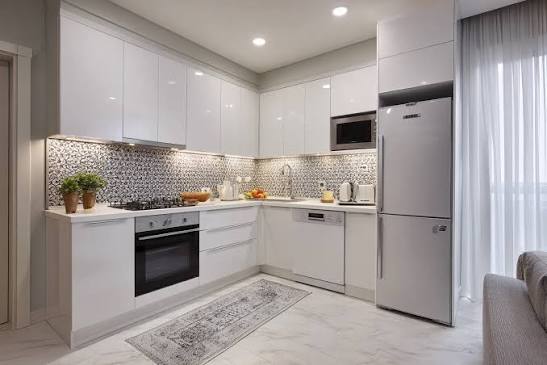

Kitchen remodeling has become one of the most valuable home improvement projects for homeowners who want to enhance functionality, comfort, and overall property appeal. The kitchen is no longer viewed as just a place for preparing meals; it has evolved into a central gathering area where families spend time together, entertain guests, and create lasting memories. A thoughtfully remodeled kitchen can improve daily routines while adding beauty and efficiency to the entire home.
A successful kitchen renovation requires careful planning, creative design, and attention to detail. Every element, including cabinets, countertops, flooring, lighting, appliances, storage solutions, and layout, plays an important role in creating a space that meets the homeowner’s needs. Whether the goal is updating an outdated design, improving organization, increasing storage, or creating a more open atmosphere, remodeling provides an opportunity to transform an ordinary kitchen into a highly functional and attractive environment.
Modern homeowners increasingly focus on designs that combine style with practicality. Features such as energy-efficient appliances, smart storage systems, durable materials, and personalized layouts allow kitchens to become more convenient and enjoyable. With proper planning and professional guidance, kitchen remodeling can deliver long-term benefits while increasing the value and comfort of a home.
Understanding the Importance of Kitchen Remodeling
The kitchen is one of the most frequently used areas in any home, which means its design directly affects everyday living. An outdated kitchen with limited storage, poor lighting, or inefficient layouts can make routine activities more difficult. Remodeling provides an opportunity to address these challenges and create a space that works better for modern lifestyles.
One of the main advantages of kitchen remodeling is improved functionality. A well-designed kitchen allows easier movement between preparation areas, cooking zones, storage spaces, and dining areas. Updating the layout can reduce unnecessary steps and make daily tasks more convenient.
Another important benefit is increased home value. Kitchens are often among the first areas potential buyers evaluate when considering a property. A modern, attractive, and functional kitchen can make a strong impression and contribute to a higher resale value.
Beyond financial benefits, remodeling allows homeowners to personalize their space according to their preferences. From selecting colors and materials to choosing appliances and design features, every decision can reflect individual style and lifestyle requirements.
Planning a Successful Kitchen Remodeling Project
Proper planning is the foundation of a successful kitchen renovation. Before beginning construction, homeowners should carefully evaluate their current kitchen and identify the improvements they want to achieve. Understanding specific needs helps create a realistic plan and prevents unnecessary changes during the project.
The first step is determining the main goals of the remodel. Some homeowners may want a complete transformation, while others may focus on specific upgrades such as new cabinets, updated countertops, improved lighting, or modern appliances. Defining priorities helps establish a clear direction for the project.
Budget planning is another essential factor. A realistic budget should include material costs, labor expenses, design services, permits, and unexpected issues that may arise during construction. Careful financial planning allows homeowners to make informed decisions while maintaining control over expenses.
Creating a timeline is also important. Remodeling projects often involve multiple stages, including design, demolition, installation, and finishing work. Understanding the process helps homeowners prepare for temporary changes in their daily routines.
Designing a Functional Kitchen Layout
The layout of a kitchen determines how efficiently the space can be used. A well-planned design improves workflow and creates a comfortable environment for cooking, cleaning, and socializing.
Traditional kitchen layouts often focus on the relationship between key areas such as the refrigerator, stove, and sink. Modern designs continue to prioritize efficiency while incorporating additional features such as islands, breakfast areas, and open-concept spaces.
Kitchen islands have become increasingly popular because they provide additional workspace, storage, and seating. They can serve multiple purposes, including food preparation, casual dining, and entertainment. The size and placement of an island should be carefully considered to ensure it improves rather than restricts movement.
Open layouts are also widely preferred because they create a more spacious and connected feeling. Removing unnecessary barriers between the kitchen and surrounding living areas can improve natural flow and make the home feel more welcoming.
Choosing the Right Kitchen Cabinets
Cabinets are one of the most important components of any kitchen remodeling project. They influence both the appearance and functionality of the space. High-quality cabinets provide essential storage while contributing significantly to the overall design.
When selecting cabinets, homeowners should consider materials, finishes, colors, and storage features. Modern cabinet designs often include pull-out shelves, built-in organizers, soft-close drawers, and specialized compartments that maximize available space.
The style of cabinets can dramatically affect the character of a kitchen. Traditional designs may feature detailed finishes and classic elements, while contemporary styles often emphasize clean lines and minimal decoration.
Durability should also be a major consideration. Since kitchen cabinets are used frequently, choosing strong materials and quality construction helps ensure long-term performance.
Selecting Countertops and Durable Materials
Countertops serve both practical and aesthetic purposes in the kitchen. They provide essential workspace while also contributing to the overall appearance of the room. Selecting the right countertop material requires consideration of durability, maintenance requirements, and design preferences.
Popular countertop materials offer different advantages. Some provide exceptional durability and resistance to stains, while others offer unique textures and natural beauty. The ideal choice depends on how the kitchen will be used and the homeowner’s maintenance expectations.
In addition to countertops, other materials such as flooring, backsplashes, and hardware should be selected carefully. These elements work together to create a balanced design while ensuring the kitchen can withstand daily use.
Durable materials may require a higher initial investment, but they often provide better long-term value by reducing repair and replacement needs.
Improving Kitchen Storage Solutions
Storage is one of the most common reasons homeowners choose to remodel their kitchens. Older kitchens often lack efficient storage options, leading to clutter and difficulty organizing essential items.
Modern remodeling projects frequently include innovative storage solutions designed to maximize space. Features such as deep drawers, corner organizers, pantry systems, vertical storage, and built-in compartments help keep kitchens organized and functional.
Effective storage design considers how homeowners use their kitchen every day. Frequently used items should be easily accessible, while less commonly used items can be stored in designated areas.
Improved organization not only creates a cleaner appearance but also makes cooking and meal preparation more enjoyable. A well-organized kitchen allows homeowners to use their space more efficiently.
The Role of Lighting in Kitchen Design
Lighting plays a major role in creating a comfortable and functional kitchen environment. A combination of different lighting types can improve visibility while enhancing the overall atmosphere of the space.
Task lighting focuses on specific work areas such as countertops, sinks, and cooking surfaces. Proper task lighting makes food preparation safer and more convenient.
Ambient lighting provides general illumination throughout the kitchen, while accent lighting highlights design features such as cabinets, shelves, or architectural details.
Natural lighting should also be considered during the remodeling process. Larger windows, glass doors, and thoughtful design choices can increase daylight and create a brighter, more inviting kitchen.
Upgrading Kitchen Appliances
Modern appliances are an important part of many remodeling projects because they improve convenience, efficiency, and performance. Updated appliances can reduce energy consumption while providing advanced features that simplify household tasks.
Energy-efficient refrigerators, ovens, dishwashers, and cooking equipment can help lower utility costs while supporting environmentally responsible living. Smart appliances with digital controls and connected features are also becoming increasingly popular.
When selecting appliances, homeowners should consider both appearance and functionality. Appliances should complement the overall kitchen design while meeting practical needs.
Proper placement of appliances is also essential. A well-planned arrangement improves workflow and ensures that cooking, cleaning, and storage areas work together effectively.
Incorporating Modern Kitchen Design Trends
Kitchen design trends continue to evolve as homeowners seek spaces that combine comfort, efficiency, and personal style. Current trends often focus on simplicity, functionality, and creating welcoming environments.
Minimalist designs with clean lines and neutral colors remain popular because they create timeless appearances. Many homeowners also incorporate natural materials, textured surfaces, and warm finishes to add character.
Multi-purpose kitchen spaces are becoming increasingly common. Kitchens are now designed to support cooking, working, studying, dining, and social activities within one area.
Sustainable design choices are also gaining attention. Environmentally friendly materials, efficient appliances, and responsible construction methods allow homeowners to create attractive kitchens while reducing environmental impact.
Hiring Professional Remodeling Experts
While some homeowners consider completing remodeling tasks independently, professional assistance can provide significant advantages. Experienced remodeling specialists understand construction requirements, design principles, material selection, and project management.
Professionals help ensure that installations meet safety standards and that complex tasks such as electrical work, plumbing adjustments, and structural changes are completed correctly.
Working with skilled experts can also save time and reduce costly mistakes. Their experience allows them to identify potential challenges early and provide practical solutions throughout the renovation process.Choosing the right remodeling professional involves reviewing experience, previous projects, communication style, and commitment to quality. A reliable team can make the remodeling experience smoother and more successful.
Maintaining a Newly Remodeled Kitchen
After completing a remodeling project, proper maintenance helps preserve the beauty and functionality of the new kitchen. Regular cleaning, careful use of surfaces, and timely repairs can extend the lifespan of materials and fixtures.
Cabinets should be cleaned according to manufacturer recommendations, countertops should receive appropriate care, and appliances should be maintained regularly for optimal performance.Small maintenance tasks can prevent larger issues from developing. Addressing leaks, damaged surfaces, or malfunctioning equipment early helps protect the investment made during remodeling.A well-maintained kitchen continues to provide comfort, efficiency, and value for many years after the renovation is complete.
Conclusion
Kitchen remodeling is an excellent way to improve the appearance, functionality, and value of a home. A successful renovation combines thoughtful planning, practical design, quality materials, and skilled installation to create a space that meets modern lifestyle needs.From improving storage and upgrading appliances to creating better layouts and enhancing lighting, every remodeling decision contributes to the overall performance and beauty of the kitchen. Whether the goal is a complete transformation or targeted improvements, careful attention to design details can produce impressive results.
A remodeled kitchen provides more than a refreshed appearance. It creates a comfortable environment where families can cook, gather, and enjoy everyday moments. With proper planning and professional support, kitchen remodeling becomes a valuable investment that enhances both the present enjoyment and future value of a home.