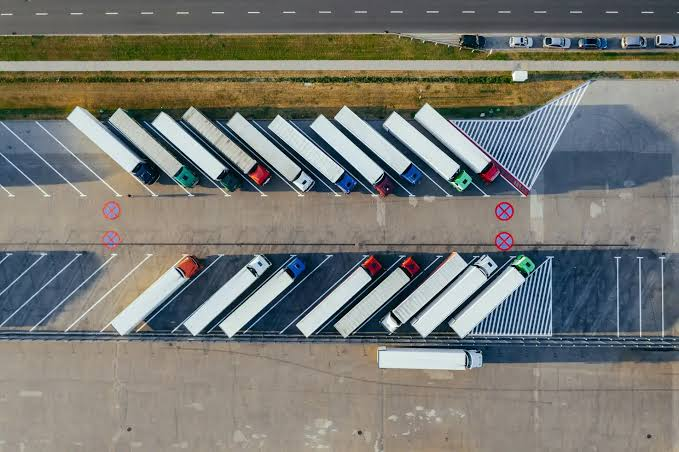

Managing large commercial vehicles requires careful planning, especially when it comes to finding a reliable space where vehicles can be stored safely between routes or during scheduled downtime. Transportation businesses, independent operators, and fleet managers understand that having access to a dependable storage solution is essential for protecting valuable assets, maintaining operational efficiency, and reducing unnecessary challenges. A properly organized storage area provides more than just a place to leave vehicles; it creates a secure environment that supports business continuity and professional fleet management.
The demand for reliable truck parking solutions has increased as transportation operations continue to expand and companies require better ways to manage their vehicles. Without a dedicated space, drivers and businesses may face difficulties related to security concerns, limited availability, inconvenient arrangements, and increased operating stress. A well-planned vehicle storage area helps solve these issues by providing a structured environment designed specifically for large commercial vehicles.
Choosing the right storage option involves considering several important factors, including security features, accessibility, space requirements, maintenance standards, and overall convenience. Understanding these elements allows businesses and operators to make informed decisions that support their daily operations while protecting their valuable equipment.
Why Proper Vehicle Storage Matters
Commercial vehicles represent significant investments, and protecting them when they are not in operation should be a major priority. Leaving large vehicles in unsuitable areas can increase the risk of theft, accidental damage, weather-related problems, and unauthorized access. A dedicated storage solution reduces these risks by providing a controlled environment where vehicles can remain protected.
A secure storage area also improves organization within transportation operations. When vehicles have designated spaces, drivers can manage schedules more effectively and avoid wasting valuable time searching for available areas. Better organization leads to smoother operations, improved productivity, and fewer unnecessary delays.
For fleet managers, having a dependable storage plan simplifies daily responsibilities. Instead of dealing with uncertain arrangements, managers can maintain better control over vehicle locations, maintenance schedules, and driver coordination. This level of organization contributes to more efficient business management.
Additionally, proper storage helps maintain the professional appearance of a transportation business. Well-maintained vehicles stored in an organized environment create a positive impression and demonstrate attention to safety, reliability, and operational standards.
Key Features of a Quality Storage Area
A high-quality vehicle storage facility should include several important features that improve safety, convenience, and overall usability. Security is one of the most important considerations because commercial vehicles often contain valuable equipment, supplies, and technology.
Security measures such as controlled access systems, proper lighting, surveillance equipment, and well-maintained boundaries help create a safer environment. These features discourage unauthorized activity and provide additional confidence for vehicle owners and operators.
Space availability is another important factor. Large commercial vehicles require sufficient room for easy movement, turning, and positioning. A well-designed area should provide enough space to reduce the risk of accidental damage while allowing drivers to enter and exit comfortably.
Surface quality also plays an important role. A properly maintained parking surface supports vehicle stability and reduces problems caused by uneven ground, standing water, or poor drainage. Durable surfaces contribute to safer vehicle movement and help prevent unnecessary wear on equipment.
Accessibility is equally important for transportation professionals who operate on demanding schedules. Convenient access allows drivers to manage arrivals and departures efficiently without creating unnecessary complications.
Benefits of Using Professional Storage Solutions
Professional storage options provide several advantages compared with informal arrangements. One of the biggest benefits is improved security. Commercial vehicles are valuable assets, and storing them in a controlled environment reduces exposure to potential risks.
Another advantage is convenience. Drivers and businesses can rely on a consistent storage arrangement rather than searching for temporary solutions. This reliability makes scheduling easier and allows operators to focus more attention on transportation responsibilities.
Cost management is another important benefit. Although professional storage requires an investment, it can reduce expenses associated with damage, security issues, emergency arrangements, and inefficient operations. Protecting vehicles properly often saves money over the long term.
Professional facilities may also provide additional services that support vehicle owners. These can include maintenance support, inspection areas, cleaning options, and other features designed to improve vehicle management. Access to these resources creates a more complete solution for transportation needs.
Using a dedicated truck parking area also allows operators to maintain better control over their schedules and vehicle availability. A dependable location reduces uncertainty and provides a structured approach to managing commercial transportation equipment.
Factors to Consider Before Choosing a Storage Option
Selecting the right storage solution requires careful evaluation of several factors. Businesses should begin by identifying their specific needs, including the number of vehicles, frequency of use, and required level of security.
The size of the available area should match the type of vehicles being stored. Oversized vehicles require sufficient clearance and movement space to prevent operational difficulties. Planning ahead ensures that the chosen option remains practical as business requirements change.
Security should always be evaluated carefully. Operators should consider whether the facility provides appropriate protection measures and whether access is managed effectively. A secure environment provides peace of mind and helps protect valuable equipment.
Maintenance standards should also be reviewed. A clean, organized, and well-maintained facility reflects professionalism and contributes to better vehicle care. Poorly maintained areas may create unnecessary risks and operational challenges.
Cost is another important consideration, but the cheapest option is not always the most beneficial. Businesses should evaluate overall value by comparing security, convenience, accessibility, and available features rather than focusing only on price.
Improving Fleet Management Through Better Organization
Effective fleet management depends on organization, planning, and reliable systems. Vehicle storage plays an important role in achieving these goals because it creates a structured environment where assets can be monitored and managed efficiently.
When vehicles have designated spaces, managers can maintain better records and coordinate operations more effectively. Knowing where each vehicle is located reduces confusion and improves communication between drivers and management teams.
Organized storage also supports maintenance planning. Vehicles can be inspected regularly, scheduled for servicing, and monitored for potential issues before problems become serious. Preventive maintenance reduces downtime and helps extend the operational lifespan of equipment.
A professional storage strategy also improves driver efficiency. When drivers have a consistent process for accessing and returning vehicles, daily operations become smoother and more predictable.
Safety Considerations for Commercial Vehicle Storage
Safety should remain a priority whenever large vehicles are stored or moved. Proper planning helps reduce risks for drivers, employees, and nearby property.
Clear movement areas are essential for preventing collisions and allowing vehicles to be positioned safely. Adequate spacing between vehicles reduces the possibility of accidental contact and creates a more organized environment.
Proper lighting improves visibility, especially during early morning or evening operations. Well-lit areas help drivers navigate safely and reduce potential hazards associated with limited visibility.
Regular inspections of the storage environment also contribute to safety. Identifying damaged surfaces, drainage issues, or other concerns allows problems to be addressed before they affect operations.
Safety-focused storage practices protect both vehicles and people while supporting a more efficient transportation system.
The Role of Security in Protecting Valuable Assets
Security is one of the primary reasons businesses invest in professional storage solutions. Commercial vehicles often carry valuable equipment, technology, and materials, making protection essential.
Modern security features help reduce risks by controlling access and monitoring activity. Surveillance systems, secure entry methods, and proper facility management create stronger protection compared with unsecured alternatives.
A secure environment also reduces stress for vehicle owners and operators. Knowing that equipment is stored responsibly allows businesses to focus on their core operations without constant concerns about vehicle safety.
Security planning should be viewed as a long-term investment rather than an additional expense. Protecting valuable assets helps maintain business stability and prevents costly disruptions.
Maintenance Advantages of Proper Storage
Storage conditions can have a direct impact on vehicle maintenance. Exposure to harsh weather, moisture, and unsuitable surfaces may contribute to faster deterioration and increased repair requirements.
A suitable storage environment helps reduce unnecessary exposure and supports better equipment preservation. Keeping vehicles in a protected area between operations can extend their useful life and improve reliability.
Regular maintenance becomes easier when vehicles are stored in an organized location. Inspections, cleaning, and servicing can be completed more efficiently when operators have a consistent system.
Proper storage also supports better record keeping. Businesses can track maintenance schedules, identify recurring issues, and create more effective strategies for managing their fleets.
Future Trends in Commercial Vehicle Storage
As transportation industries continue to evolve, vehicle storage solutions are becoming more advanced and focused on efficiency. Technology is playing a larger role in improving security, access management, and operational tracking.
Digital systems allow businesses to monitor access, manage availability, and improve communication between teams. These advancements create more efficient ways to organize vehicle storage and improve overall fleet performance.
Sustainability is another growing consideration. Many businesses are looking for solutions that support environmentally responsible practices through improved design, energy efficiency, and better resource management.
Future storage facilities are expected to focus increasingly on convenience, security, and technology-driven management. These improvements will help transportation businesses operate more effectively while meeting changing industry demands.
Making a Smart Investment Decision
Choosing the right storage solution requires balancing immediate needs with long-term goals. Businesses should consider how their requirements may change over time and select an option that provides flexibility and reliability.
A carefully chosen facility can support business growth by providing dependable space for current vehicles while allowing room for future expansion. This approach prevents operational limitations and creates a stronger foundation for continued success.
Working with professional storage providers allows operators to access specialized knowledge and services designed for commercial vehicle needs. Reliable support ensures vehicles remain protected while businesses maintain efficient operations.
Investing in quality storage is not only about finding a place to keep vehicles. It is about creating a system that improves safety, organization, and long-term performance.
Conclusion
Reliable vehicle storage is an essential part of successful transportation management. From improving security and organization to supporting maintenance and operational efficiency, the right storage solution provides valuable benefits for businesses and independent operators alike.
A well-planned storage environment protects important assets while helping companies maintain smoother daily operations. By considering factors such as accessibility, security, space, and maintenance standards, vehicle owners can choose solutions that provide lasting value.
Professional truck parking options offer a practical way to manage commercial vehicles while reducing risks and improving convenience. With proper planning and responsible management, businesses can create a stronger foundation for growth and long-term success.
Investing in a dependable storage solution ensures vehicles remain protected, operations stay organized, and transportation goals can be achieved with greater confidence. As the industry continues to develop, efficient vehicle storage will remain an important component of successful fleet management and business performance.