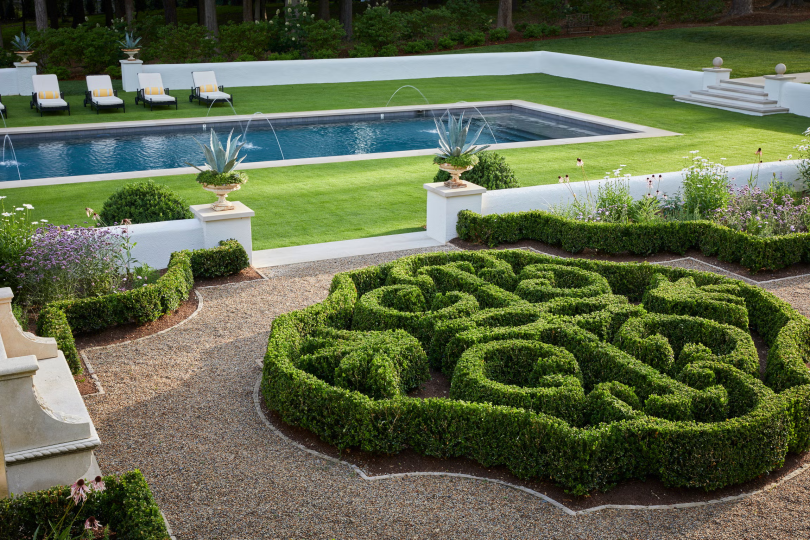

Landscaping has become an essential part of creating attractive, comfortable, and functional outdoor environments for residential, commercial, and public properties. A thoughtfully designed landscape does more than improve visual appeal; it creates spaces that support relaxation, recreation, environmental balance, and long-term property value. Whether it involves a small backyard garden, a large commercial property, or a community outdoor area, effective landscaping combines creativity, planning, and technical knowledge to achieve impressive results.
A well-maintained outdoor space reflects careful attention to detail and provides numerous benefits beyond appearance. Plants, trees, lawns, pathways, lighting, and outdoor structures work together to create an environment that feels organized, welcoming, and connected with nature. As more people recognize the importance of outdoor living areas, professional landscaping has become increasingly valuable for homeowners, businesses, and organizations looking to maximize the potential of their properties.
Successful landscaping requires more than simply planting flowers or maintaining grass. It involves understanding soil conditions, climate, plant selection, drainage, design principles, and ongoing maintenance requirements. A properly planned landscape can enhance functionality while reducing future maintenance challenges. By combining natural elements with practical design features, landscaping professionals help transform ordinary outdoor areas into beautiful and sustainable spaces.
The Importance of Professional Landscape Design
Landscape design is the foundation of any successful outdoor improvement project. Before installation begins, careful planning is necessary to determine how different elements will work together. Professional designers consider factors such as property size, existing structures, sunlight exposure, soil quality, drainage patterns, and the needs of the people who will use the space.
A strong design creates balance between plants, hardscape features, and open areas. For example, trees and shrubs can provide shade and privacy, while pathways and seating areas improve accessibility and usability. Outdoor lighting can enhance safety while highlighting important features of the landscape during evening hours.
Professional planning also helps prevent costly mistakes. Choosing plants that are unsuitable for the environment or installing features without considering drainage can lead to ongoing problems. A carefully designed landscape ensures that every element has a purpose and contributes to the overall appearance and performance of the outdoor space.
Creating Attractive Residential Outdoor Spaces
Residential landscaping plays an important role in improving the comfort and enjoyment of homes. Outdoor areas are increasingly viewed as extensions of indoor living spaces where families can relax, entertain guests, and spend time in nature.
A well-designed residential landscape may include gardens, lawns, patios, outdoor kitchens, water features, walkways, and decorative planting areas. These features can create personalized environments that match the homeowner’s lifestyle and preferences.
Front yard landscaping often focuses on improving curb appeal by creating a welcoming entrance with attractive plants, pathways, and organized design elements. Backyard landscaping typically emphasizes privacy, recreation, and relaxation through features such as seating areas, shade structures, and entertainment spaces.
Proper maintenance is also essential for preserving the beauty of residential landscapes. Regular mowing, pruning, fertilizing, watering, and seasonal cleanup help plants remain healthy and ensure that outdoor spaces continue looking their best throughout the year.
Commercial Landscaping and Business Benefits
Commercial properties greatly benefit from professional landscaping because outdoor appearance influences how customers, employees, and visitors perceive a business. A clean, attractive, and well-maintained landscape creates a positive first impression and demonstrates attention to quality.
Office buildings, retail centers, hotels, restaurants, and industrial facilities often use landscaping to create inviting environments around their properties. Attractive entrances, maintained lawns, decorative plants, and outdoor gathering areas can improve the overall experience for visitors.
Beyond appearance, commercial landscaping can contribute to employee satisfaction by providing pleasant outdoor spaces where workers can take breaks and enjoy natural surroundings. Green areas around workplaces may also help reduce stress and create a more comfortable atmosphere.
Professional landscape maintenance ensures that commercial properties maintain a consistent appearance throughout the year. Scheduled services such as lawn care, trimming, seasonal planting, irrigation management, and cleanup help businesses protect their investment and maintain attractive surroundings.
The Role of Plants in Landscape Development
Plants are one of the most important components of landscaping because they provide color, texture, shade, and environmental benefits. Selecting the right plants requires an understanding of growing conditions, maintenance needs, and long-term growth patterns.
Trees provide many advantages, including shade, improved air quality, and increased privacy. Shrubs can define boundaries, create visual structure, and add year-round interest. Flowers introduce seasonal colors and enhance the overall character of outdoor spaces.
Choosing plants that are suitable for the local environment can improve survival rates and reduce maintenance requirements. Native plants are often preferred because they are naturally adapted to local conditions and may require less water and care compared to non-native varieties.
A balanced plant selection creates landscapes that remain attractive throughout different seasons. Combining evergreen plants with flowering varieties and seasonal features allows outdoor spaces to maintain visual appeal throughout the year.
Hardscaping: Adding Structure and Functionality
While plants provide natural beauty, hardscaping elements add structure and practical value to outdoor spaces. Hardscape features include patios, walkways, retaining walls, outdoor fireplaces, seating areas, fences, and decorative stone installations.
These features improve usability by creating defined areas for movement, entertainment, and relaxation. A well-designed patio can become an outdoor living room, while pathways can guide visitors through gardens and connect different sections of a property.
Hardscaping also helps solve practical challenges such as erosion control, uneven terrain, and drainage issues. Retaining walls can stabilize slopes, while properly designed surfaces can improve water management and prevent landscape damage.
The combination of softscape elements like plants and hardscape features creates a complete outdoor environment that is both visually appealing and highly functional.
Sustainable Landscaping Practices
Environmental awareness has influenced the way modern landscaping projects are designed and maintained. Sustainable landscaping focuses on reducing resource consumption while creating healthy and attractive outdoor spaces.
Water conservation is one of the most important aspects of sustainable landscape planning. Efficient irrigation systems, drought-tolerant plants, and proper soil management help reduce unnecessary water usage while keeping landscapes healthy.
Organic gardening methods, composting, and natural pest management techniques can improve soil quality and support healthier plant growth. Sustainable landscapes may also include rain gardens, native vegetation, and environmentally friendly materials.
These approaches benefit both property owners and the environment by lowering maintenance costs, reducing chemical usage, and supporting biodiversity. Sustainable landscaping demonstrates that beautiful outdoor spaces can be created while respecting natural resources.
Irrigation and Water Management
Proper irrigation is essential for maintaining healthy landscapes. Without adequate water management, plants may struggle to survive, lawns may become unhealthy, and maintenance costs may increase.
Modern irrigation systems are designed to deliver water efficiently by targeting specific areas and reducing waste. Drip irrigation, smart controllers, and moisture sensors help ensure that plants receive the appropriate amount of water based on their needs.
Effective water management also involves understanding soil conditions and drainage patterns. Overwatering can cause root damage and encourage plant diseases, while insufficient watering can weaken vegetation.
Professional landscaping services often evaluate irrigation requirements during the design process to create systems that support long-term plant health while conserving water resources.
Landscape Maintenance for Long-Term Beauty
Regular maintenance is essential for protecting the investment made in landscaping. Even the most carefully designed outdoor spaces require ongoing attention to remain healthy and attractive.
Maintenance tasks may include lawn mowing, trimming, pruning, fertilization, weed control, mulching, seasonal planting, and debris removal. Each activity contributes to the overall appearance and health of the landscape.
Proper pruning encourages healthy plant growth and maintains attractive shapes, while fertilization provides essential nutrients needed for strong development. Mulching helps retain soil moisture, regulate temperature, and reduce weed growth.
Consistent maintenance also allows potential problems to be identified early. Detecting pest issues, plant diseases, irrigation problems, or soil concerns before they become serious can prevent expensive repairs and replacements.
Enhancing Property Value Through Landscaping
Investing in landscaping can significantly improve the value and attractiveness of a property. Outdoor appearance plays an important role in creating a strong impression for potential buyers, tenants, customers, and visitors.
A professionally designed landscape adds character and improves the overall presentation of a property. Features such as mature trees, attractive gardens, functional outdoor spaces, and quality hardscaping can make properties more desirable.
Landscaping also improves lifestyle value by creating areas where people can enjoy outdoor activities and relaxation. A beautiful garden, comfortable patio, or shaded outdoor area can become a major feature that enhances daily living.
For businesses, attractive landscaping can strengthen brands customized according to individual goals, budget, and environmental conditions. Some properties may require simple improvements such as updated planting designs, while others may image and create a professional appearance that encourages customer confidence.
Choosing the Right Landscaping Approach
Every property has unique requirements, which means landscaping solutions should be customized according to individual goals, budget, and environmental conditions. Some properties may require simple improvements such as updated planting designs, while others may benefit from complete landscape transformations.
Before beginning a project, property owners should consider their preferred style, maintenance expectations, available space, and long-term plans. Some landscapes are designed for low maintenance, while others focus on creating detailed gardens with extensive plant collections and decorative features.
Working with experienced professionals can help ensure that the final result meets expectations while avoiding unnecessary expenses. Skilled landscapers provide valuable knowledge about design, installation techniques, plant selection, and maintenance strategies.
Future Trends in Landscaping
The landscaping industry continues to evolve as technology, environmental concerns, and lifestyle preferences influence outdoor design. Smart irrigation systems, automated lighting, sustainable materials, and eco-friendly gardening methods are becoming increasingly popular.
Outdoor living spaces are also growing in demand as homeowners seek comfortable areas for entertainment, dining, and relaxation. Features such as outdoor kitchens, fire areas, and multifunctional gardens are becoming common elements in modern landscape designs.
Technology is improving landscape management through automated monitoring systems and digital planning tools. These advancements help property owners maintain healthier landscapes while reducing resource consumption.
As people continue recognizing the benefits of outdoor environments, landscaping will remain an important investment for creating spaces that improve quality of life and support environmental responsibility.
Conclusion
Landscaping is much more than improving the appearance of outdoor areas. It is a combination of design, maintenance, environmental awareness, and practical planning that creates spaces where people can connect with nature and enjoy greater comfort. From residential gardens to commercial properties, effective landscaping enhances beauty, functionality, and long-term value.
A successful landscape requires thoughtful planning, appropriate plant selection, quality installation, and consistent care. By incorporating sustainable practices, efficient water management, and creative design solutions, property owners can create outdoor environments that remain attractive and beneficial for years.
Whether the goal is increasing property appeal, creating a relaxing outdoor retreat, or developing an environmentally responsible space, professional landscaping provides the expertise needed to transform ordinary areas into impressive and functional landscapes.