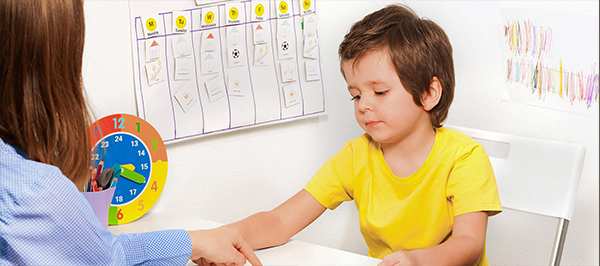
Center based ABA therapy has become a widely recognized approach for supporting children with autism spectrum disorder and other developmental challenges by focusing on skill development, independence, communication, and positive behavior changes. Applied Behavior Analysis (ABA) uses evidence-based strategies to understand how behavior works and how learning can be encouraged through structured teaching, reinforcement, and individualized support.
Unlike some therapy models that take place only in a child’s home or school environment, center based ABA therapy takes place in a dedicated clinical setting designed specifically for learning and development. These centers provide access to trained professionals, specialized resources, structured routines, and opportunities for children to practice skills in a supportive environment.
Every child has unique strengths, needs, and learning patterns. A quality ABA program recognizes these differences and creates personalized treatment plans based on individual goals. Through consistent therapy, children can develop important skills that support communication, social interaction, daily living activities, and greater independence.
Understanding Applied Behavior Analysis (ABA)
Applied Behavior Analysis is a scientific approach that focuses on understanding the relationship between behavior and the environment. ABA professionals study how certain situations influence behavior and use this information to create strategies that encourage meaningful improvements.
The foundation of ABA therapy involves identifying specific skills a child needs to develop and creating structured opportunities to practice those skills. Positive reinforcement is one of the main techniques used in ABA, where desired behaviors are encouraged through rewards, encouragement, or other motivating factors.
ABA therapy does not follow a one-size-fits-all approach. Instead, professionals collect information about a child’s abilities, challenges, preferences, and goals before creating an individualized plan. Progress is regularly monitored, and strategies are adjusted based on the child’s development.
The goal of ABA is not simply to change behavior but to help children gain practical skills that improve their ability to communicate, interact, learn, and participate more independently in everyday activities.
What Is Center Based ABA Therapy?
Center based ABA therapy refers to ABA treatment provided in a specialized therapy center rather than exclusively in a home or community setting. These centers are designed to create an organized learning environment where children can receive consistent support from trained therapists and behavior specialists.
A center-based setting typically includes structured learning areas, play spaces, sensory resources, and materials designed to support different developmental goals. The environment is arranged to minimize distractions while providing opportunities for children to practice skills in realistic situations.
One of the main advantages of a center setting is consistency. Children often benefit from predictable routines and regular interaction with trained professionals. This structure can help them understand expectations, develop confidence, and practice skills repeatedly.
Center based ABA therapy also allows therapists to create controlled learning opportunities. Professionals can introduce different activities, observe responses, and adjust teaching methods based on each child’s progress.
Benefits of Center Based ABA Therapy
There are many potential benefits associated with receiving ABA therapy in a dedicated center environment. One of the most important advantages is access to specialized resources and trained professionals who understand how to support children with developmental differences.
A structured environment helps children focus on learning goals while reducing unnecessary distractions. Many children respond positively to consistent routines because predictability can make learning easier and more comfortable.
Another benefit is the opportunity for social skill development. In a center setting, children may interact with therapists and peers, allowing them to practice communication, cooperation, turn-taking, and other social behaviors in a guided environment.
Center based programs often provide more opportunities for skill generalization. Children can learn skills in therapy rooms, play areas, group activities, and other structured settings. Practicing skills in different situations can help children apply what they learn outside of therapy.
Parents and caregivers can also benefit from center-based services because therapists can provide guidance, progress updates, and strategies that can be used at home.
Skills Addressed Through Center Based ABA Therapy
Center based ABA programs focus on a wide range of skills depending on each child’s individual needs. Treatment goals are created based on assessments and family priorities.
Communication development is one of the most common areas addressed in ABA therapy. Children may work on requesting items, expressing needs, improving language skills, following instructions, and developing alternative communication methods when needed.Social skills are another important focus. Therapy may help children learn how to interact with others, respond appropriately during conversations, share materials, participate in activities, and build relationships.
Daily living skills are also commonly targeted. These may include dressing, eating, personal hygiene, organization, and other tasks that promote independence.
Behavior support is another key component. ABA therapists work to understand the reasons behind certain behaviors and teach more appropriate ways for children to communicate their needs or respond to situations.
The Structure of a Center Based ABA Program
A typical center based ABA program begins with an assessment process. During this stage, professionals evaluate the child’s current abilities, communication style, behavior patterns, and developmental needs.
Based on assessment results, a personalized treatment plan is created. This plan outlines specific goals, teaching strategies, and methods for tracking progress.
Therapy sessions often involve a combination of structured teaching and natural learning opportunities. Structured activities may focus on specific skills, while play-based activities allow children to practice skills in more natural situations.
Therapists collect data during sessions to measure progress. This information helps the ABA team understand what strategies are working and where adjustments may be needed.The child’s program may change over time as new skills develop and goals are achieved. Continuous evaluation ensures that therapy remains focused on meaningful improvements.
The Role of ABA Therapists and Professionals
A successful ABA program depends on a team of trained professionals working together. Different specialists may contribute to assessment, treatment planning, therapy delivery, and progress monitoring.
Behavior analysts are responsible for designing and overseeing treatment programs. They analyze behavior patterns, create intervention strategies, and ensure that therapy goals are appropriate and measurable.
Behavior technicians often work directly with children during therapy sessions. They implement treatment plans, teach skills, collect data, and provide support during activities.
The collaboration between professionals and families is also essential. Parents and caregivers provide valuable information about the child’s daily experiences and help reinforce skills outside the therapy setting.
How Center Based ABA Therapy Supports Social Development
Social interaction can be challenging for some children with autism, and center based programs provide structured opportunities to practice these skills.
Therapists may create activities that encourage children to communicate, participate in group activities, and respond to others. These experiences help children build confidence while learning appropriate social behaviors.
Group activities can provide valuable practice with skills such as sharing, waiting, following group instructions, and participating with peers. Therapists guide these interactions and provide support when needed.
Developing social skills takes time, and progress varies for every child. Consistent practice and individualized support help children gradually build stronger social connections.
Importance of Family Involvement
Family involvement plays an important role in the success of ABA therapy. While therapy sessions occur in the center, children spend most of their time with family members and caregivers.
ABA professionals often provide parent training to help families understand therapy strategies and apply them in everyday situations. This consistency between therapy and home environments can support faster learning and stronger skill development.
Families can help by practicing communication strategies, encouraging independence, and reinforcing positive behaviors outside therapy sessions.Open communication between families and therapy teams allows everyone to work toward shared goals and better support the child’s progress.
Choosing the Right Center Based ABA Program
Selecting an appropriate ABA center is an important decision for families. Several factors should be considered, including the experience of the clinical team, treatment approach, communication practices, and the overall environment.
A quality center should provide individualized treatment plans rather than using identical programs for every child. Families should feel comfortable asking questions about goals, progress tracking, and therapy methods.
The environment should be welcoming, organized, and designed to support learning. Children should have access to appropriate materials, trained staff, and activities that encourage development.
Strong communication between the center and family is also important. Regular updates and collaboration help ensure that therapy remains aligned with the child’s needs and family expectations.
Long-Term Impact of ABA Therapy
The long-term goal of ABA therapy is to help children develop skills that improve independence and quality of life. Progress may include improved communication, stronger social abilities, increased confidence, and greater participation in everyday activities.
Each child’s journey is different, and progress occurs at an individual pace. Some children may achieve goals quickly, while others may require longer-term support. Consistency, patience, and individualized care are important parts of the process.
Center based ABA therapy provides a structured and supportive environment where children can learn essential skills while receiving guidance from trained professionals. Through personalized strategies and ongoing assessment, therapy can help children reach meaningful developmental goals.
Final Thoughts on Center Based ABA Therapy
Center based ABA therapy offers a comprehensive approach to supporting children through structured learning, individualized treatment, and professional guidance. The dedicated environment allows children to practice important skills while receiving consistent support from experienced therapists.
By focusing on communication, social interaction, independence, and positive behavior development, ABA therapy helps children build abilities that can benefit them throughout their lives. The combination of professional expertise, family involvement, and personalized treatment creates a strong foundation for progress.
For families exploring developmental support options, understanding how center based ABA therapy works can help them make informed decisions and choose an approach that best supports their child’s unique needs and goals.