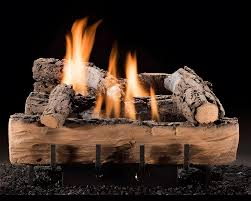

When homeowners think about creating a warm and welcoming living space, a fireplace often becomes the centerpiece of that vision. A fireplace has long represented comfort, relaxation, and timeless elegance, but modern homeowners also expect convenience, energy efficiency, and low maintenance. Traditional wood-burning fireplaces undoubtedly offer a nostalgic experience, yet they also require constant cleaning, wood storage, chimney maintenance, and significant effort to operate. This is where gas logs have transformed the way people enjoy fireplaces. They provide the beautiful appearance of a real wood fire while eliminating many of the inconveniences associated with burning natural wood.
Whether you are renovating your home, upgrading an outdated fireplace, or installing a new heating feature, understanding how gas logs work and what benefits they provide can help you make an informed decision. These innovative fireplace inserts combine aesthetics with practicality, making them one of the most popular fireplace solutions available today. They are designed to imitate natural wood remarkably well while offering clean-burning flames, consistent heat, and easy operation. As technology continues to improve, homeowners now have access to incredibly realistic designs that create the same inviting atmosphere without the smoke, ash, or constant maintenance required by traditional fireplaces.
Understanding How Modern Fireplace Log Systems Work
A fireplace should offer more than just visual appeal. It should provide reliable performance, efficient heating, and simple operation. Modern fireplace log systems are specifically engineered to deliver these advantages by using either natural gas or propane as their primary fuel source. Instead of burning real firewood, ceramic or refractory concrete logs are carefully arranged over a burner system that produces realistic flames. Advanced manufacturing techniques allow these artificial logs to replicate the texture, color, and appearance of genuine hardwood, making it difficult for many people to distinguish them from real wood.
The burner underneath the logs distributes flames evenly to create a natural-looking fire. Depending on the system you choose, ignition may be controlled manually, through a wall switch, a remote control, or even a smart home integration. Many newer systems include adjustable flame settings, allowing homeowners to customize both the ambiance and the amount of heat generated according to seasonal needs.
The beauty of these systems lies in their simplicity. Once installed by qualified professionals, homeowners can enjoy a cozy fire with the press of a button rather than gathering wood, arranging kindling, and waiting for a fire to build naturally. This convenience has made fireplace log systems increasingly popular among busy families who value comfort without sacrificing time.
Why More Homeowners Are Choosing Gas Fireplace Solutions
The popularity of gas logs continues to grow because they address many of the challenges associated with traditional fireplaces. Convenience is perhaps the most obvious advantage. Starting a fire becomes effortless, eliminating the physical work involved in chopping wood, transporting logs indoors, and cleaning ashes afterward.
Another major benefit is cleanliness. Wood-burning fireplaces naturally produce soot, ash, smoke, and creosote buildup inside chimneys. These byproducts require regular cleaning and maintenance to ensure safe operation. Gas-powered systems burn much cleaner, reducing the amount of residue produced during everyday use. This contributes to a cleaner home environment while also reducing maintenance costs over time.
Efficiency also plays an important role. Traditional fireplaces often lose significant amounts of heated air through the chimney. Modern fireplace systems are designed to maximize heat output while minimizing waste. Many homeowners find that these systems help supplement household heating during colder months, reducing reliance on central heating systems and potentially lowering overall energy consumption.
Safety improvements have also encouraged many families to switch from wood-burning fireplaces. Without flying sparks, popping embers, or excessive smoke, the risks commonly associated with open wood fires are significantly reduced. Although any fireplace should be used responsibly, modern gas-powered systems incorporate safety mechanisms that provide additional peace of mind.
Different Types of Fireplace Log Systems
Selecting the right fireplace system depends on your home’s existing fireplace design, heating goals, and personal preferences. The two primary categories available today each offer distinct advantages that suit different situations.
Vent-free fireplace systems are designed to maximize heating efficiency by keeping nearly all generated heat inside the home. Because these systems do not rely on a traditional chimney for venting, they can provide impressive warmth while using relatively little fuel. Manufacturers carefully engineer these systems to burn fuel cleanly and efficiently while meeting strict safety standards.
Vented fireplace systems, on the other hand, utilize an existing chimney or venting system to exhaust combustion gases outdoors. Although they may not produce as much usable indoor heat as vent-free alternatives, many homeowners prefer them because they create taller, more dramatic flames that closely resemble authentic wood-burning fires. The visual realism often makes vented systems the preferred choice for those seeking maximum aesthetic appeal.
Some homeowners prioritize heating performance, while others value appearance above all else. Understanding these differences allows buyers to choose the option that best complements their lifestyle and fireplace expectations.
The Realistic Appearance That Makes a Difference
One of the most impressive developments in fireplace technology has been the extraordinary realism achieved by modern manufacturers. Early artificial fireplace logs often looked obviously artificial, limiting their appeal. Today’s products, however, feature incredibly detailed craftsmanship that accurately replicates bark textures, natural wood grain, knots, split ends, and weathered surfaces.
Advanced ceramic materials allow flames to wrap around and between the logs in highly realistic patterns. Carefully engineered burner designs create glowing ember beds that further enhance the illusion of burning hardwood. Some premium systems even include ember materials, decorative stones, and glowing fibers that recreate the subtle details found in authentic fireplaces.
This attention to realism means homeowners no longer need to compromise between convenience and visual beauty. Friends and family often cannot distinguish these modern systems from genuine wood fires unless they inspect them closely.
Heating Efficiency and Energy Savings
Heating efficiency remains one of the strongest reasons homeowners invest in modern fireplace upgrades. Traditional fireplaces are beautiful but frequently inefficient because much of the generated heat escapes through the chimney. Modern fireplace systems are designed to improve heat retention while reducing wasted energy.
By delivering controlled combustion and consistent flame patterns, these systems produce reliable warmth that can supplement existing home heating. During colder evenings, many homeowners rely on their fireplace to comfortably heat commonly used living areas rather than increasing the thermostat for the entire house.
This targeted heating approach may contribute to lower utility bills while creating a more comfortable indoor environment. Although actual savings vary depending on home size, insulation quality, climate, and fireplace usage, efficient supplemental heating remains a valuable benefit for many households.
Installation Considerations Before Making a Purchase
Installing a fireplace log system requires careful planning and professional expertise. Homeowners should first determine whether their existing fireplace is compatible with gas operation or whether modifications are necessary. Factors such as available fuel supply, chimney condition, ventilation requirements, and local building codes all influence installation decisions.
Professional installation is strongly recommended because proper gas connections, burner adjustments, and safety inspections are essential for reliable operation. Certified installers ensure that every component functions correctly while verifying compliance with applicable regulations and manufacturer specifications.
Before selecting a system, homeowners should also evaluate the size of their fireplace opening. Choosing appropriately sized logs helps create balanced flame patterns while maximizing both safety and visual appeal. Oversized or undersized log sets may reduce performance or compromise the fireplace’s appearance.
Consulting experienced professionals before purchasing equipment often prevents costly mistakes while ensuring long-term satisfaction.
Maintaining Long-Term Performance
One of the greatest advantages of modern fireplace systems is their relatively low maintenance requirements. Unlike traditional wood-burning fireplaces, there are no ashes to remove, no wood piles to manage, and significantly less chimney residue to address.
Routine maintenance typically includes periodic inspection of burners, pilot assemblies, ignition systems, and gas connections. Dust accumulation should be gently removed from decorative logs according to manufacturer recommendations to preserve their appearance and maintain efficient combustion.
Annual professional inspections help identify minor issues before they become major problems. Technicians can verify burner performance, inspect ventilation components where applicable, and confirm that all safety mechanisms continue functioning properly.
With appropriate maintenance, high-quality fireplace systems often provide reliable performance for many years while maintaining their attractive appearance.
Choosing the Right Style for Your Interior
Fireplaces contribute significantly to a room’s overall design, making style selection an important part of the buying process. Manufacturers now offer a remarkable variety of decorative options that complement virtually every interior design preference.
Rustic styles feature rugged oak, birch, cedar, or hickory-inspired log arrangements that pair beautifully with traditional homes and farmhouse-inspired interiors. Contemporary designs often incorporate sleek burners, minimalist arrangements, decorative glass media, or modern stone accents that blend seamlessly into updated living spaces.
Color, flame height, ember glow, and log placement all influence the final appearance. Homeowners should consider how the fireplace integrates with surrounding furniture, flooring, wall finishes, and architectural features to achieve a cohesive design.
Investing time in selecting the appropriate style ensures that the fireplace remains a beautiful focal point for years to come.
Environmental Benefits of Cleaner Burning Fireplaces
Environmental awareness has become increasingly important in home improvement decisions. Compared with traditional wood-burning fireplaces, cleaner-burning gas systems generally produce fewer airborne particulates and significantly reduce smoke emissions.
Wood combustion naturally releases ash, soot, and various combustion byproducts into the atmosphere. Gas-powered alternatives burn fuel more completely, resulting in lower particulate emissions while maintaining attractive flames. This cleaner combustion contributes to improved indoor air quality and reduces chimney deposits.
Although every fuel source has environmental considerations, many homeowners appreciate the cleaner operation offered by modern fireplace systems as part of their overall sustainability goals.
Common Misconceptions About Fireplace Log Systems
Several misconceptions continue to influence homeowner decisions despite significant technological advancements. One common belief is that artificial fireplace logs cannot look realistic. Modern manufacturing has largely eliminated this concern, producing remarkably authentic appearances that rival natural wood fires.
Another misconception suggests that these systems produce inadequate heat. In reality, many models provide substantial supplemental warmth when properly selected for the intended space. Heating performance varies by model, installation type, and ventilation configuration, making product selection especially important.
Some homeowners also assume maintenance is unnecessary simply because wood is not being burned. While maintenance requirements are greatly reduced, periodic professional inspections remain essential for safe, efficient operation throughout the system’s lifespan.
Understanding these realities helps homeowners make confident purchasing decisions based on accurate information rather than outdated assumptions.
Tips for Maximizing Fireplace Enjoyment
Creating the ideal fireplace experience involves more than simply installing equipment. Proper furniture placement encourages family gatherings while allowing heat to circulate effectively throughout the room. Comfortable seating, soft lighting, and complementary décor further enhance the relaxing atmosphere.
Using programmable thermostats or remote-control systems allows homeowners to adjust flames and temperature effortlessly without interrupting conversations or relaxing evenings. Regular maintenance ensures reliable operation while preserving the fireplace’s attractive appearance.
Reading manufacturer instructions carefully and following recommended operating procedures helps maximize both performance and longevity. Responsible operation not only improves efficiency but also enhances overall safety for everyone in the household.
Why Investing in Quality Matters
Although lower-priced fireplace products may appear attractive initially, investing in high-quality components often delivers better long-term value. Premium materials resist cracking, fading, and discoloration while maintaining realistic appearances through years of regular use.
Higher-quality burners generally produce more consistent flames, improved fuel efficiency, and quieter operation. Reliable ignition systems reduce maintenance concerns while enhancing everyday convenience. Better engineering also contributes to longer service life, minimizing replacement costs over time.
Choosing reputable manufacturers and professional installers may involve a larger initial investment, but the resulting reliability, safety, and performance frequently justify the additional expense.
Final Thoughts
A fireplace remains one of the most cherished features in any home because it naturally brings people together while creating warmth and comfort. Modern gas logs have successfully combined the timeless beauty of traditional fireplaces with the convenience demanded by today’s homeowners. They eliminate much of the maintenance associated with wood-burning fires while providing realistic flames, dependable heating, cleaner operation, and outstanding visual appeal.
Whether your goal is improving home comfort, enhancing interior design, increasing heating efficiency, or simply enjoying relaxing evenings beside a beautiful fire, investing in a high-quality fireplace log system can deliver lasting value. By carefully selecting the appropriate style, ensuring professional installation, and following regular maintenance practices, homeowners can enjoy years of reliable performance with minimal effort.
As fireplace technology continues to evolve, these systems offer an increasingly attractive solution for those seeking the charm of a traditional fire without its everyday inconveniences. Their combination of beauty, efficiency, safety, and ease of use makes them an excellent addition to modern homes, allowing families to enjoy memorable moments around a welcoming fire throughout every colder season.