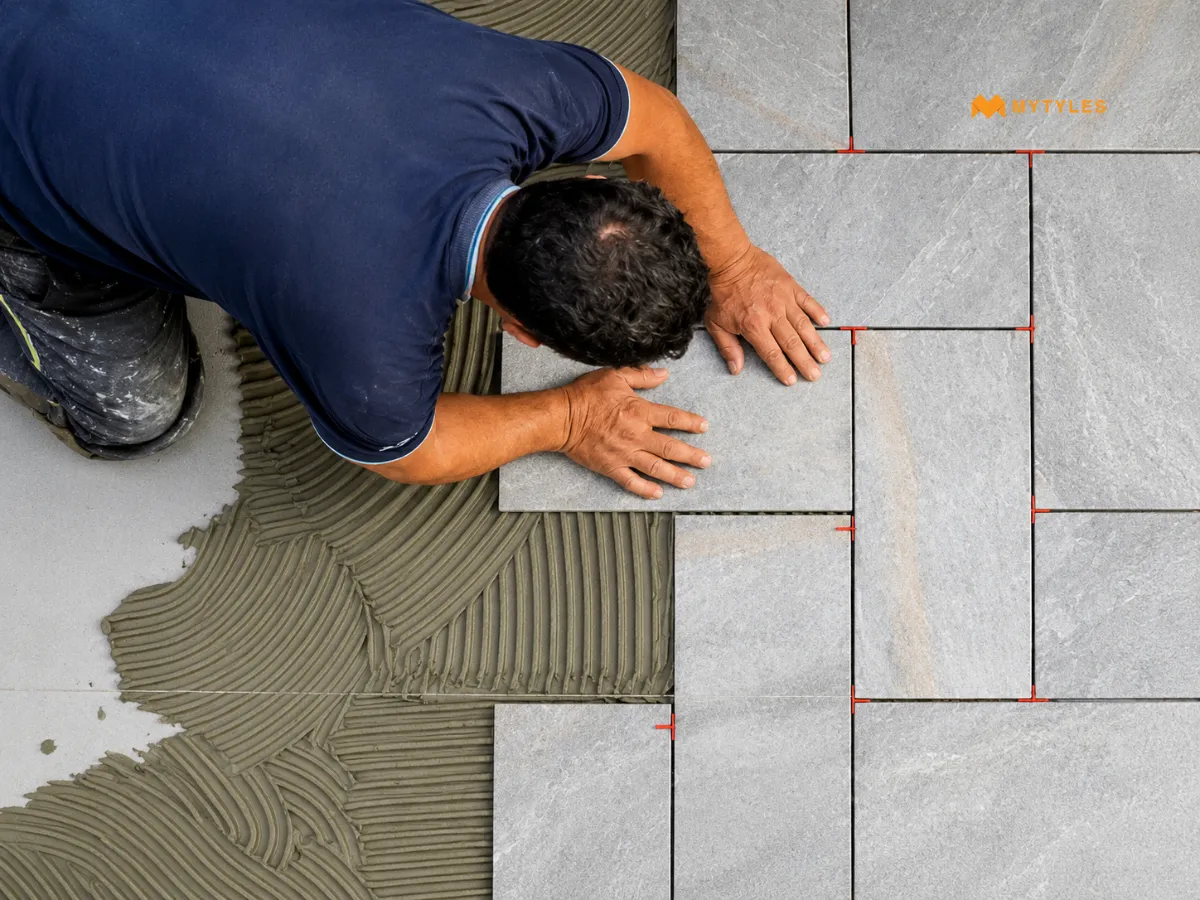
Tile installation is one of the most effective ways to enhance the appearance, functionality, and value of residential and commercial spaces. Tiles are widely used for floors, walls, bathrooms, kitchens, entryways, and outdoor areas because they offer durability, versatility, and a wide range of design possibilities. When installed correctly, tile surfaces can provide long-lasting performance while adding a polished and attractive finish to any space.
A successful tile project requires more than simply placing tiles on a surface. Proper planning, material selection, surface preparation, accurate measurements, and professional installation techniques all play important roles in achieving a high-quality result. Poor installation can lead to uneven surfaces, cracked tiles, loose sections, and moisture problems. Understanding the tile installation process helps property owners make better decisions and achieve a finished surface that meets both practical and aesthetic goals.
Understanding the Importance of Professional Tile Installation
Tiles are known for their strength and durability, but their performance depends heavily on proper installation. Even high-quality tiles can fail if they are installed on an uneven surface or without the correct preparation. Professional installation ensures that tiles are placed securely, aligned properly, and protected from common issues such as cracking or water damage.
A skilled installer understands the differences between various tile materials, including ceramic, porcelain, stone, and other options. Each type of tile has specific requirements related to cutting, adhesives, spacing, sealing, and maintenance. Proper knowledge helps ensure that the chosen material performs well in its intended location.
Professional tile installation also improves the overall appearance of the finished project. Precise spacing, straight lines, consistent patterns, and clean edges create a more attractive and refined result. Attention to detail can make a significant difference in the final look of a room.
Choosing the Right Tile for Your Project
Selecting the right tile is one of the most important decisions in any installation project. Different materials offer different benefits, and the best choice depends on factors such as location, usage, maintenance preferences, and design goals.
Ceramic tile is a popular option because it is affordable, versatile, and available in many colors and styles. It works well for walls, floors, and areas with moderate foot traffic.
Porcelain tile is known for its strength and low water absorption. It is often chosen for high-traffic areas, bathrooms, kitchens, and spaces where durability is a priority. Its dense structure makes it resistant to moisture and wear.
Natural stone tiles, such as marble, granite, and slate, provide a unique and elegant appearance. Each piece has natural variations that create a distinctive look. However, stone tiles often require more maintenance and sealing to preserve their beauty.
Glass tiles are commonly used for decorative applications, backsplashes, and accent areas. They can add brightness and visual interest while creating a modern appearance.Choosing the appropriate tile ensures better performance and helps achieve the desired style for the space.
Preparing the Surface Before Tile Installation
Proper surface preparation is one of the most important steps in the tile installation process. The surface must be clean, stable, and level before tiles are applied. Any existing damage, uneven areas, or moisture issues should be addressed first.
For floor installations, the subfloor must be strong enough to support the weight of the tiles. Weak or unstable surfaces can cause movement, which may result in cracked tiles or failed grout joints.
Wall surfaces should also be prepared carefully. Removing dirt, repairing imperfections, and creating a suitable base allows adhesive materials to bond properly.In areas exposed to moisture, such as bathrooms and kitchens, waterproofing measures are especially important. Proper moisture protection helps prevent water damage behind the tile surface and extends the lifespan of the installation.
The Tile Installation Process
The tile installation process involves several steps that require accuracy and attention to detail. The first step is planning the layout. Installers measure the area, determine tile placement, and create a pattern that provides balanced spacing and an attractive appearance.
Once the layout is established, adhesive or mortar is applied to the prepared surface. Tiles are carefully placed according to the planned design, with consistent spacing maintained using tile spacers.
Cutting tiles is often necessary to fit around corners, edges, fixtures, and other obstacles. Professional tools allow installers to make precise cuts that create a clean and finished appearance.After the tiles are placed and secured, the adhesive must cure properly. Grout is then applied between the tiles to fill gaps, improve stability, and create a finished look.
The final step may include sealing the grout or tile surface, especially for materials that require additional protection from moisture and stains.
Common Tile Installation Mistakes to Avoid
Tile projects can become problematic when important installation steps are overlooked. One common mistake is failing to prepare the surface properly. Installing tiles over uneven or damaged areas can lead to movement, cracks, and an uneven finish.Incorrect spacing is another issue that affects both appearance and durability. Inconsistent grout lines can make the finished surface look unprofessional and may create weak points in the installation.
Using the wrong adhesive or grout can also cause problems. Different tile materials require specific installation products, and selecting the wrong materials may reduce performance.
Poor waterproofing is another serious concern in moisture-prone areas. Without proper protection, water can penetrate behind tiles and cause structural damage.Professional installation helps avoid these mistakes by following proper techniques and industry standards.
Benefits of Tile Installation
One of the biggest advantages of tile installation is durability. Properly installed tiles can withstand heavy use, moisture, and daily wear while maintaining their appearance for many years.Tiles are also easy to maintain. Most tile surfaces can be cleaned with simple methods, making them a practical choice for busy households and commercial environments.
Another benefit is design flexibility. Tiles are available in countless colors, patterns, textures, and sizes, allowing property owners to create customized designs that match their preferences.
Tile surfaces can also improve property value. Well-designed kitchens, bathrooms, and flooring areas with quality tile finishes often create a more attractive and modern appearance.For moisture-prone areas, tiles provide excellent protection when properly installed and maintained. Their resistance to water makes them ideal for spaces where spills and humidity are common.
Tile Installation for Different Areas of a Property
Tiles can be installed in many different areas, each with unique considerations.Bathroom tile installation requires careful attention to waterproofing and slip resistance. Floors, shower walls, and backsplashes must be designed to handle constant exposure to moisture.
Kitchen tile installation often focuses on durability and easy cleaning. Tile floors and backsplashes can protect surfaces from spills, stains, and daily activity.
Entryways benefit from tile because they experience high foot traffic. Durable materials can handle dirt, moisture, and repeated use while maintaining a clean appearance.Outdoor tile installations require materials designed to withstand weather conditions. Proper selection and installation techniques help ensure long-term performance in exterior environments.
Maintaining Tile Surfaces After Installation
Proper maintenance helps preserve the beauty and functionality of tile surfaces. Regular cleaning prevents dirt and buildup from affecting the appearance of tiles and grout.
Grout lines may require additional attention because they can collect dust and stains over time. Periodic cleaning and sealing help maintain their condition.
Homeowners should address cracks, loose tiles, or damaged grout as soon as possible. Small problems can become larger issues if moisture reaches the underlying surface.Using appropriate cleaning products is also important. Harsh chemicals may damage certain tile materials or protective finishes. Following manufacturer recommendations helps maintain the surface properly.
The Value of Hiring Experienced Tile Installers
While some tile projects may appear simple, achieving professional results requires experience and precision. Skilled installers understand how to handle different materials, prepare surfaces correctly, and solve challenges during installation.
Experienced professionals can also help with design decisions, material selection, and layout planning. Their knowledge ensures that the finished project meets both functional and aesthetic expectations.
Professional installation reduces the risk of costly mistakes and provides confidence that the tile surface will perform well over time.
Final Thoughts on Tile Installation
Tile installation is a valuable improvement that combines durability, style, and practicality. Whether upgrading a bathroom, refreshing a kitchen, or creating a new flooring design, properly installed tile can transform the appearance and functionality of a space.
A successful tile project depends on careful planning, quality materials, proper preparation, and skilled installation. Paying attention to these factors helps prevent common problems and ensures a long-lasting result.
By choosing the right tile, working with experienced professionals, and following proper maintenance practices, property owners can enjoy beautiful and durable surfaces that enhance their spaces for many years. Tile installation is not only an aesthetic upgrade but also a practical investment in comfort, performance, and lasting value.