Understanding the Value of a Well-Built Wood Fence
A fence is more than just a boundary around a property. It provides privacy, improves security, enhances outdoor appearance, and creates a clear separation between different areas. Among the many fencing options available, wood remains one of the most popular choices because of its natural beauty, versatility, and ability to complement different architectural styles.
A properly designed fence can completely transform the look and functionality of an outdoor space. Whether the goal is creating a private backyard area, protecting children and pets, improving curb appeal, or adding structure to a landscape, a wooden fence offers practical and visual benefits. However, achieving long-lasting results requires careful planning, quality materials, and proper installation techniques.
Professional wood fence installation involves more than placing boards into the ground. It requires evaluating the property layout, selecting suitable materials, preparing the site, installing strong support structures, and ensuring the finished fence can withstand changing weather conditions. Understanding each step of the process helps property owners make better decisions and achieve a durable fencing solution.
Why Wood Fencing Continues to Be a Popular Choice
Wood fencing has remained a preferred option for many homeowners because of its natural appearance and design flexibility. Unlike some manufactured materials, wood provides a warm and traditional look that blends easily with gardens, lawns, and outdoor living spaces.
One of the biggest advantages of wood fences is customization. They can be built in many different styles, heights, and finishes to match personal preferences. From simple horizontal designs to classic vertical panels, wood fencing offers numerous possibilities for creating a unique outdoor environment.
Wood can also be painted or stained in various colors, allowing homeowners to update the appearance over time. This flexibility makes it easier to coordinate the fence with the existing style of a property or make changes in the future.
Planning Before Installing a Wood Fence
Proper planning is one of the most important parts of building a successful fence. Before installation begins, several factors should be considered to ensure the final result meets both practical and aesthetic goals.
The first step is determining the purpose of the fence. Some property owners prioritize privacy, while others may focus on decoration, security, or creating a safe area for pets. The intended purpose influences the height, style, and materials selected for the project.
Property boundaries should also be confirmed before construction begins. Installing a fence without clearly understanding property lines can lead to disagreements or costly adjustments later. Careful measurements and proper preparation help avoid unnecessary problems.
Local requirements may also influence fence design. Some areas have rules regarding fence height, placement, or materials. Checking applicable guidelines before installation helps ensure the project follows necessary regulations.
Choosing the Right Type of Wood
The type of wood selected for a fence has a major impact on its durability, appearance, and maintenance needs. Different wood species offer different levels of strength, resistance, and affordability.
Cedar is a popular choice because it naturally resists moisture, insects, and decay. It has an attractive appearance and often requires less protection compared with some other wood types. Its durability makes it suitable for many outdoor applications.
Pine is another commonly used option because it is affordable and widely available. When properly treated, pine can provide good performance and resistance against outdoor conditions. It is often chosen by homeowners looking for a practical fencing solution.
Other wood varieties may also be used depending on design preferences and project requirements. The best choice depends on factors such as climate, budget, maintenance expectations, and desired appearance.
Preparing the Installation Area
Site preparation plays a major role in creating a stable and attractive fence. Before installation begins, the area should be cleared of obstacles such as plants, debris, rocks, or old fencing materials.
Accurate measurements are essential during preparation. Proper spacing between posts ensures that the fence remains straight and structurally sound. Uneven placement can create alignment problems and affect the overall appearance.
The ground conditions should also be evaluated. Soil type, drainage, and terrain can influence how posts should be installed. Areas with soft or unstable soil may require additional preparation to improve stability.
A well-prepared installation area reduces complications during construction and helps create a stronger final structure.
The Importance of Strong Fence Posts
Fence posts provide the foundation for the entire structure. Even high-quality wood panels will not perform properly if the posts are weak or incorrectly installed.
Posts must be positioned securely in the ground and aligned carefully to support the weight of the fence. Proper depth and stability help prevent leaning, shifting, or damage caused by wind and weather.
Using suitable materials for posts is also important because they experience constant exposure to moisture and soil conditions. Treated or naturally resistant wood can help reduce the risk of premature deterioration.
Strong posts contribute significantly to the overall lifespan and performance of a wooden fence.
Understanding the Installation Process
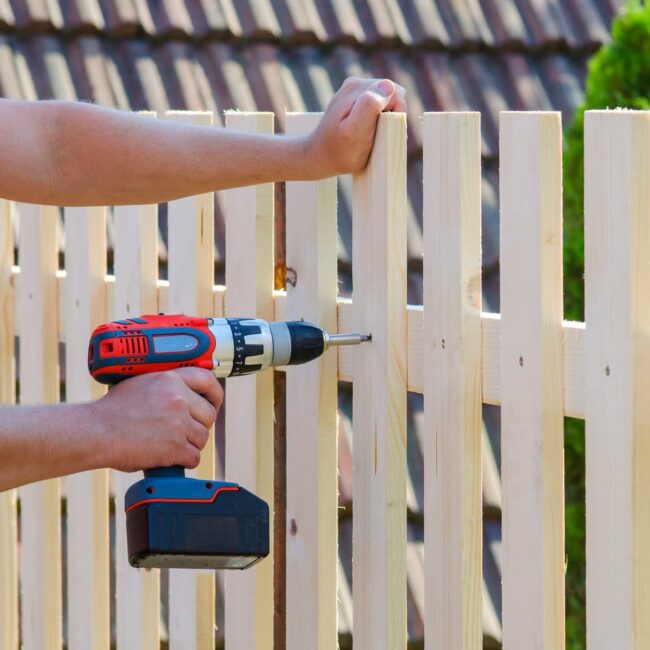
The installation process involves several stages that require accuracy and attention to detail. After the posts are placed and secured, horizontal support rails are typically attached to create a framework for the fence boards.
Fence boards are then installed according to the chosen design. Proper spacing is important because wood naturally expands and contracts with changes in temperature and moisture levels.
During installation, each section should be checked for alignment and stability. Small mistakes can become more noticeable as the project progresses, so careful adjustments throughout the process help achieve a professional appearance.The final steps may include adding gates, applying protective coatings, and completing finishing touches that improve both function and appearance.
Benefits of Professional Fence Installation
While some homeowners consider installing fences themselves, professional installation offers several advantages. Experienced installers understand construction techniques, material handling, and methods for creating durable structures.
Professionals can complete the project efficiently while avoiding common mistakes that may reduce the fence’s lifespan. They have the appropriate tools and knowledge to handle challenging conditions, uneven terrain, and complex designs.A properly installed fence is more likely to remain stable and attractive for many years. Investing in skilled installation can reduce future repair needs and improve the overall value of the property.
Protecting and Maintaining a Wood Fence
Although wood fences are durable, they require regular maintenance to maintain their appearance and strength. Exposure to sunlight, rain, and temperature changes can affect the condition of the wood over time.
Applying protective stains or sealants helps reduce moisture absorption and protects against weather-related damage. These treatments can also enhance the natural beauty of the wood.Regular inspections allow homeowners to identify issues such as loose boards, damaged sections, or signs of decay. Addressing small problems early can prevent larger repairs later.
Keeping vegetation away from the fence line also helps improve airflow and reduces moisture buildup. Proper maintenance extends the life of the fence and keeps it looking attractive.
One of the main reasons homeowners choose wooden fencing is the privacy it provides. A properly designed fence can create a comfortable outdoor environment where people can relax without feeling exposed.Privacy fences are especially useful for creating dedicated outdoor living spaces. They can help define areas for patios, gardens, entertainment spaces, and recreational activities.Beyond privacy, fences can also improve the sense of organization within a property. They create clear boundaries and contribute to a more structured landscape design.
Conclusion
A well-installed wood fence can improve the overall appearance of a property. A clean, attractive fence creates a positive first impression and complements landscaping features.
Fencing can also increase the usability of outdoor areas by making spaces feel more complete and functional. Whether creating a secure yard or enhancing curb appeal, a quality fence provides lasting benefits.
Because fences are a visible part of a property, choosing durable materials and professional installation contributes to long-term value.A wood fence is a practical and attractive addition that can improve privacy, security, and outdoor aesthetics. However, achieving the best results requires careful planning, quality materials, and proper construction techniques.
Professional wood fence installation ensures that every part of the project, from preparation and post placement to finishing details, is handled correctly. A well-built wooden fence provides reliable performance while enhancing the beauty and functionality of an outdoor space.
With regular maintenance and thoughtful care, a wood fence can remain a valuable feature for many years. By understanding the installation process and making informed choices, property owners can create a durable, attractive, and functional boundary that meets their needs.