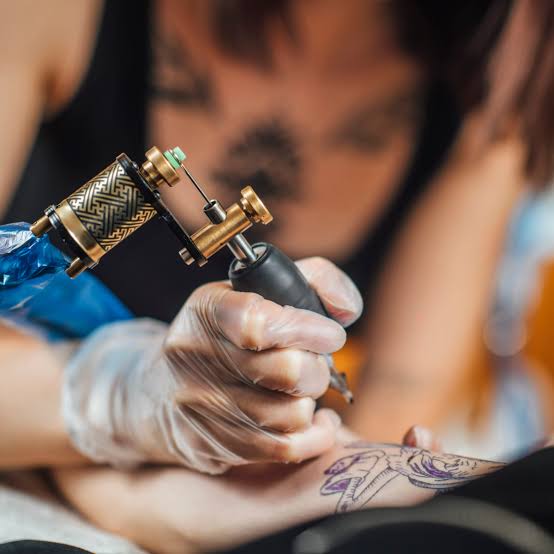

Tattooing has grown from a niche subculture into a respected creative profession, and with that growth has come a much higher bar for what counts as genuine expertise.
An expert tattoo artist isn’t simply someone who can hold a machine steady; they combine artistic skill, technical precision, hygiene discipline and strong client communication into a single trade.
For anyone considering a tattoo, or thinking about entering the industry themselves, understanding what separates an expert from an amateur is essential.
The Foundations of Tattoo Expertise
At its core, tattoo artistry sits at the intersection of fine art and applied skin science. A true expert has spent years refining their line work, shading, colour theory and composition, while also learning how skin behaves under the needle across different body parts, skin tones and ages.
This dual mastery, of aesthetics and anatomy, is what allows an experienced artist to design a piece that looks stunning on paper and ages gracefully on a living, moving canvas.
Expertise in this field is rarely accidental. It’s built through:
- Formal training and mentorship under an established studio or senior artist
- Thousands of hours of hands-on practice, often starting on practice skin before progressing to real clients
- Ongoing education in new styles, equipment and techniques
- Strict adherence to infection control and hygiene standards
- A genuine understanding of colour, anatomy and design proportion
Those who want to fast-track this foundational knowledge often start with structured training. Enrolling in accredited tattoo artist classes gives aspiring artists a safe, guided environment to learn machine handling, sterilisation procedures and design fundamentals before they ever work on a paying client.
Technical Skills That Separate Experts from Beginners
Anyone can buy a tattoo machine, but very few can use one with the consistency and control that clients expect from a professional.
Expert tattoo artists have typically mastered several technical disciplines that take years to develop.
Line Work and Shading
Clean, confident line work is often considered the single most telling sign of skill. Wobbly or blown-out lines are one of the most common complaints levelled at inexperienced artists.
Experts also understand how to build smooth gradients and realistic shading without over-saturating the skin, which reduces trauma and supports better healing.
Needle Depth and Machine Control
Going too deep can cause excessive scarring, blowouts and prolonged healing, while going too shallow leads to patchy, fading ink.
Skilled artists calibrate their machine’s voltage, needle configuration and hand pressure to suit the specific area of the body being worked on.
Colour Theory and Skin Tone Matching
Colour behaves differently depending on a client’s skin tone, and an expert knows how to select and layer pigments so the finished tattoo remains vibrant and true to the design over years, not just in the first few weeks.
Custom Design and Adaptability
Rather than simply copying flash art, experienced artists can translate a client’s vague idea into a workable custom design, adjusting for body curvature, movement and how the piece will look as skin ages.
Hygiene, Safety and Regulatory Compliance
Artistic talent alone doesn’t make someone an expert; safety practice is just as critical. Tattooing is classified as a skin penetration procedure in Australia, which means studios and artists are legally required to follow strict hygiene and sterilisation protocols to prevent the spread of infections such as hepatitis and bacterial skin conditions.
According to the NSW Health body art and tattooing businesses page, body art and tattooing procedures can damage a client’s skin, and poor cleaning or hygiene practices carry a real risk of infections spreading between clients.
The same guidance explains that all articles used to penetrate the skin must be sterile before use, with sterilisation carried out using an approved steam-under-pressure autoclave.
This page is a useful reference for both clients checking a studio’s compliance and artists building their own safety procedures.
Genuine experts treat these regulations as a baseline, not a burden. In practice, this means:
- Using single-use, pre-sterilised needles and disposable tubes wherever possible
- Wearing clean gloves and, where required, protective gowns or aprons during every procedure
- Properly disposing of sharps and contaminated materials
- Disinfecting workstations between every single client
- Keeping accurate client and procedure records as required by state health authorities
- Ensuring the studio itself is registered with the relevant local council
Communication and Client Care
Technical skill matters little if an artist can’t communicate effectively with the people sitting in their chair.
Expert tattoo artists are skilled listeners who ask the right questions before a design is even sketched: What’s the meaning behind the piece?
How will it interact with existing tattoos? What’s the client’s pain tolerance and healing history?
They’re also honest. A genuine expert will tell a client if a design won’t work well on a particular body part, if the artwork needs to be simplified for long-term legibility, or if a healing timeline needs to be adjusted due to skin type or lifestyle factors.
This honesty, paired with clear aftercare instructions, is a major factor in how well a tattoo heals and ages.
Specialisation as a Marker of Mastery
Many of the most respected names in the industry are known for a specific style, whether that’s fine line work, black-and-grey realism, traditional Japanese, blackwork, watercolour or portraiture.
Specialising doesn’t mean an artist can’t work across styles, but rather that they have chosen to push one discipline to a genuinely elite level.
Clients seeking a particular aesthetic often specifically search out artists who specialise in that style, because the difference in execution between a generalist and a specialist can be significant.
Continuing Education and Industry Involvement
The tattoo industry never stands still. New pigments, machine technologies, needle configurations and safety standards are introduced regularly, and experts stay current by attending workshops, conventions and refresher courses throughout their careers.
Many established artists also mentor apprentices, which not only helps the next generation but also keeps senior artists sharp, as teaching forces a deeper understanding of technique.
Involvement in professional associations and continued participation in structured tattoo artist classes or advanced workshops signals to clients that an artist takes ongoing improvement seriously, rather than resting on early-career skill alone.
Choosing an Expert Tattoo Artist
For anyone booking a tattoo, a few practical checks can help confirm genuine expertise:
- Review a detailed, varied portfolio, not just a handful of curated photos
- Confirm the studio is registered and compliant with local health regulations
- Ask about sterilisation practices and single-use equipment
- Read client reviews focused on healing outcomes, not just the initial appearance
- Have a proper consultation before committing to a design
Conclusion
A true tattoo artist expert blends creative talent, disciplined technique, rigorous hygiene practice and genuine client care into every piece they create.
Whether you’re a client searching for the right artist or an aspiring tattooist mapping out your own path, understanding these markers of expertise, and starting with quality foundational training, sets the stage for work that’s both beautiful and safe for years to come.