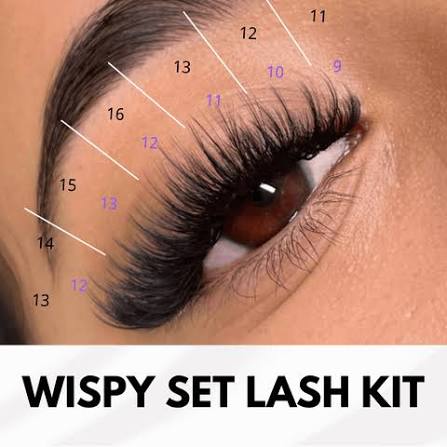

Eyelash extensions have become one of the most popular beauty treatments in Australia, transforming the way people approach their everyday makeup routine.
From subtle, natural-looking sets to dramatic, glamorous styles, this treatment offers a semi-permanent solution to fuller, longer lashes without the daily hassle of mascara or false strip lashes.
Whether you’re considering getting a set applied or exploring a career in the beauty industry, understanding what eyelash extensions involve is essential.
What Are Eyelash Extensions?
Eyelash extensions are individual synthetic, silk, or mink fibres that are carefully attached to each natural eyelash using a specialised semi-permanent adhesive.
Unlike strip lashes, which are applied to the lash line as a single unit, extensions are applied one by one (or in fans, depending on the technique) to create a fuller, longer and more defined lash line that blends seamlessly with your natural lashes.
The treatment is performed by a qualified lash technician who applies each extension with precision using fine tweezers, ensuring the extension is bonded close to the lash line without touching the skin or eyelid.
A full set typically takes between 90 minutes and two and a half hours, depending on the density and style chosen.
Types of Eyelash Extensions
There are several styles and materials to choose from, each offering a different look and finish.
Materials commonly used include:
- Synthetic lashes – the most affordable option, offering a bold, glossy finish that holds its curl well
- Silk lashes – lightweight and semi-glossy, providing a softer, more natural appearance
- Mink lashes – the most luxurious option, mimicking the fine texture of natural lashes for an ultra-realistic result
- Faux mink lashes – a cruelty-free alternative that replicates the softness of real mink
Application techniques include:
- Classic lashes – one extension applied to one natural lash for a subtle, everyday enhancement
- Volume lashes – multiple lightweight extensions (usually 2–6) fanned and applied to a single natural lash for a fuller, more voluminous look
- Hybrid lashes – a combination of classic and volume techniques, offering texture and definition
- Mega volume lashes – ultra-fine extensions applied in large fans for maximum drama and density
The Application Process
Understanding what happens during an appointment can help ease any nerves, particularly for first-time clients.
- Consultation – your technician will discuss your desired look, assess your natural lashes and recommend a suitable style and length
- Cleansing – the natural lashes are cleansed to remove any oil, makeup or debris
- Isolation – each natural lash is carefully isolated using tweezers to prevent extensions from sticking together
- Application – individual extensions are bonded to each isolated lash using adhesive
- Finishing – a final check ensures even coverage, symmetry and a comfortable fit
Most clients lie comfortably with their eyes closed throughout the process, and many even fall asleep during the treatment.
Benefits of Eyelash Extensions
There are numerous reasons why eyelash extensions have grown so popular across Australia.
- Saves time on daily makeup routines
- Creates a longer, fuller and more defined lash line
- Customisable to suit different eye shapes and personal preferences
- Water-resistant, allowing clients to swim, shower and exercise without smudging
- Long-lasting, typically requiring infills every two to three weeks
Aftercare and Maintenance
Proper aftercare is essential to maximise the lifespan of your extensions and protect your natural lashes and eye health.
- Avoid getting the lashes wet for the first 24 to 48 hours after application
- Refrain from using oil-based makeup removers or skincare products near the eyes, as oil breaks down the adhesive bond
- Brush lashes gently each day with a clean spoolie brush to keep them neat and prevent tangling
- Avoid rubbing or pulling at the extensions, as this can damage natural lashes
- Sleep on your back where possible, or use a silk pillowcase to reduce friction
- Book regular infill appointments every two to three weeks to maintain fullness as natural lashes shed and regrow
Potential Risks and Safety Considerations
While eyelash extensions are generally safe when applied correctly by a trained technician, there are some risks worth being aware of.
Adhesives contain chemicals that can occasionally cause irritation or allergic reactions, and poor hygiene practices during application can increase the risk of eye infections.
Symptoms such as redness, swelling, itching or discharge should not be ignored, as these may indicate an infection or allergic response that requires medical attention.
According to the healthdirect eye infections page, eye infections such as conjunctivitis can be caused by bacteria or viruses, with symptoms including eye redness, discharge and swollen lids.
It’s important to seek advice from a doctor, optometrist or pharmacist if any concerning symptoms develop after treatment.
To minimise risk, always choose a licensed salon that follows strict hygiene protocols, including sterilised tools, single-use applicators where appropriate, and a clean, well-ventilated workspace.
Choosing a Qualified Lash Technician
Not all lash technicians are created equal, and the quality of application can significantly affect both the appearance and safety of the treatment.
When choosing a technician or salon, consider the following:
- Check for relevant qualifications and certifications in eyelash extension application
- Read reviews and look at before-and-after photos of previous clients
- Ask about the products and adhesives used, particularly if you have sensitive skin or allergies
- Ensure the salon maintains high standards of hygiene and sterilisation
- Confirm the technician’s experience with your desired style, whether classic, volume or hybrid
Starting a Career in Eyelash Extensions
The growing popularity of eyelash extensions has created strong demand for skilled, qualified technicians across Australia.
For those interested in entering the beauty industry, completing a recognised eyelash extension course is the best way to build the technical skills, hygiene knowledge and confidence needed to work professionally.
A structured course typically covers lash theory, isolation techniques, adhesive application, infection control and client consultation, setting graduates up for a rewarding career as a qualified lash artist.
Cost and Longevity
The cost of eyelash extensions varies depending on the salon, location and style chosen. A classic full set generally costs less than a volume or mega volume set, given the additional time and skill required to create multiple fine fans on each natural lash.
Infill appointments, which top up the extensions as natural lashes shed, are usually more affordable than a full new set.
Factors that influence how long extensions last include:
- Your natural lash growth cycle, which typically ranges from six to eight weeks
- How well you follow aftercare advice, including avoiding oil-based products
- Your lifestyle, including exposure to humidity, swimming or high-intensity exercise
- The skill and technique of the technician who applied the extensions
Most clients find that booking an infill every two to three weeks keeps their lashes looking full and well maintained, while a completely fresh set is generally recommended every six to eight weeks.
Final Thoughts
Eyelash extensions offer a convenient and glamorous way to enhance your natural beauty, whether you’re after a subtle everyday look or a bold, dramatic style.
With proper application by a qualified technician and diligent aftercare, extensions can be a safe and long-lasting addition to your beauty routine.
As always, prioritise hygiene, choose a reputable salon, and stay informed about the signs of irritation or infection to ensure your lash experience is a positive one.
Whether you’re booking your first set or considering a career change into the beauty industry, eyelash extensions remain a popular, versatile and rewarding treatment that continues to grow in demand across Australia.