Introduction
veganovtrichy com is a keyword that people may search for when looking for information about vegan food, plant-based meals, and healthy eating. Understanding this topic can help readers discover vegan food options, learn about plant-based ingredients, and explore practical ways to include more vegetables, fruits, grains, and legumes in their daily diets.
Vegan food has become an interesting choice for people who want to explore different eating habits, reduce their use of animal-derived ingredients, or try new recipes. From simple homemade meals to dairy-free desserts, plant-based eating offers a wide variety of possibilities.
This guide explains the meaning of vegan food, common ingredients, potential benefits, meal-planning tips, and important things to consider before changing your eating habits.
What Is Veganovtrichy Com?
Veganovtrichy com is a search term that combines the word “vegan” with “Trichy,” a common abbreviation for Tiruchirappalli, a city in Tamil Nadu, India, and the “.com” domain extension. The keyword may relate to vegan food information or a website associated with vegan interests in Trichy.
However, the keyword alone does not confirm the website’s ownership, current services, restaurant listings, or specific content. Readers should verify the official website and its information before relying on it for food recommendations or services.
People exploring this keyword may be interested in topics such as:
- Vegan food and plant-based recipes.
- Dairy-free alternatives and vegan ingredients.
- Healthy meal-planning ideas.
- Vegan-friendly restaurants and food options.
- Plant-based eating habits for beginners.
Understanding the search intent helps readers find relevant information without assuming that every service or feature is available through a particular website.
What Is Vegan Food?
Vegan food consists of foods made without animal-derived ingredients. A vegan diet excludes meat, fish, poultry, eggs, dairy products, and other ingredients obtained from animals.
Instead, it focuses on plant-based ingredients that can be combined to create nutritious and satisfying meals.
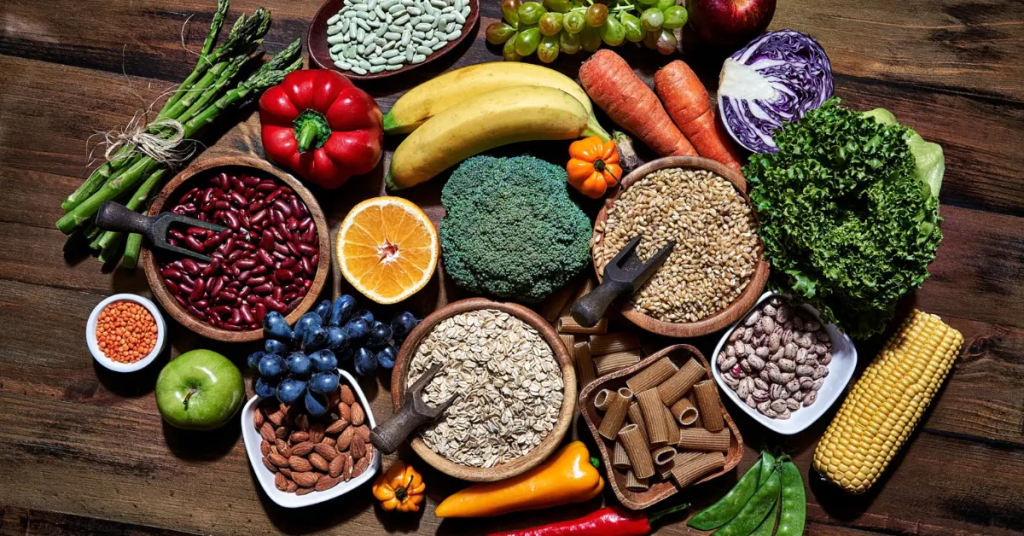
Common vegan foods include:
- Fruits such as bananas, apples, mangoes, and oranges.
- Vegetables such as spinach, carrots, cauliflower, and tomatoes.
- Legumes such as lentils, chickpeas, kidney beans, and peas.
- Grains such as rice, oats, wheat, and millet.
- Nuts and seeds such as almonds, peanuts, chia seeds, and sesame seeds.
- Plant-based alternatives such as soy milk and certain dairy-free yogurts.
For Indian readers, many familiar foods can already fit into a vegan diet. Vegetable sambar, dal, plain rice, chana masala, and vegetable upma can be vegan when prepared without ghee, butter, dairy, or other animal-derived ingredients.
Why Are People Interested in Vegan Food?
People explore vegan food for different reasons, including personal preferences, animal welfare, environmental concerns, and dietary goals.
Exploring Healthier Eating Habits
A well-planned vegan diet can provide fiber, vitamins, minerals, and other beneficial nutrients through a variety of plant foods. Eating a diverse range of vegetables, fruits, whole grains, nuts, seeds, and legumes can help support a balanced diet.
However, vegan food is not automatically healthy. Foods such as sugary drinks, deep-fried snacks, and highly processed vegan products may contain substantial amounts of sugar, salt, or fat.
The overall quality and variety of the diet matter more than whether a product simply carries a vegan label.
Discovering New Recipes
Vegan cooking encourages people to experiment with different ingredients and preparation methods. Traditional Indian dishes can often be adapted with simple substitutions.
For example, coconut milk can replace dairy cream in certain curries, while tofu can provide a plant-based alternative to paneer. Lentils and chickpeas can also form the base of filling meals.
These options make plant-based cooking accessible to people who want to try something different without completely changing their cooking style.
Considering Environmental Impact
Some people choose plant-based meals because producing plant foods generally requires fewer resources than producing many animal-based foods. However, the environmental impact varies according to the ingredient, farming methods, processing, packaging, and transportation.
Choosing more plant-based foods can be one practical way to explore eating habits that align with environmental concerns.
Popular Vegan Food Options in India
Indian cuisine includes many dishes that can be prepared without animal-derived ingredients. The key is checking how each dish is cooked and which ingredients are used.
Traditional Indian Vegan Meals
Examples of potentially vegan Indian dishes include:
- Dal and rice: Lentils provide plant protein, while rice supplies carbohydrates. Check that the dal is prepared without ghee or butter.
- Chana masala: Chickpeas cooked with tomatoes, onions, and spices can make a filling meal.
- Vegetable sambar: Lentils and vegetables create a flavorful dish when prepared without ghee or other animal-derived ingredients.
- Vegetable poha: Flattened rice, vegetables, peanuts, and spices can form a simple breakfast.
- Idli with sambar: These familiar South Indian foods can be vegan when the ingredients and cooking methods contain no animal-derived products.
- Vegetable pulao: Rice, vegetables, and spices provide a versatile meal when cooked with plant-based oil.
Recipes vary between households and restaurants, so it is important to check the ingredients rather than assuming a dish is always vegan.
Vegan Snacks and Desserts
People interested in plant-based food can also explore snacks and sweet dishes.
Suitable options may include roasted chickpeas, fruit bowls, peanut chaat, dairy-free smoothies, and desserts made with coconut milk or other plant-based ingredients.
When buying packaged snacks, read the ingredient list carefully. Milk powder, butter, whey, casein, and certain other ingredients are not vegan.
How to Start a Vegan Diet as a Beginner
Starting a vegan diet does not have to be complicated. A gradual approach can help people learn about suitable ingredients, develop new recipes, and build a balanced meal routine.
Step 1: Learn Which Foods Are Vegan
Begin by identifying foods that naturally contain no animal-derived ingredients. Vegetables, fruits, grains, beans, lentils, nuts, and seeds provide a useful foundation.
Learn to recognize common non-vegan ingredients, including dairy milk, ghee, butter, cheese, eggs, and honey if you are following a strict vegan diet.
Step 2: Make Simple Food Substitutions
Replace familiar ingredients with suitable plant-based alternatives.
For example:
- Use soy milk or oat milk instead of dairy milk.
- Try tofu instead of paneer.
- Use vegetable oil instead of ghee.
- Choose dairy-free yogurt made from suitable plant ingredients.
- Prepare creamy sauces with blended cashews or coconut milk when appropriate.
Check product labels because not every plant-based-looking product is vegan.
Step 3: Plan Balanced Meals
A balanced vegan meal should include a variety of food groups rather than relying only on salads or vegetables.
A practical plate may contain rice or whole grains, dal or beans, vegetables, and a source of healthy fat. Nuts, seeds, and suitable fortified foods can help provide additional nutrients.
Step 4: Learn to Read Food Labels
Food labels are particularly useful when purchasing packaged meals, sauces, snacks, and meat or dairy alternatives.
Look for ingredients such as milk solids, whey, casein, butterfat, and egg powder. If the product is fortified, check its nutritional information to see which vitamins and minerals it provides.
When eating outside the home, ask the restaurant whether the dish contains dairy, ghee, butter, eggs, or other animal-derived ingredients.
Step 5: Review Your Nutritional Needs
A vegan diet requires thoughtful planning to ensure adequate nutrition. Vitamin B12 deserves particular attention because reliable natural sources are limited in an entirely plant-based diet.
Depending on individual needs, fortified foods or a suitable supplement may be necessary. Iron, calcium, iodine, vitamin D, protein, zinc, and omega-3 fats also deserve consideration.
People with specific medical or nutritional needs can consult a qualified dietitian for personalized guidance.
Important Nutrients in a Vegan Diet
Eating a variety of plant-based foods helps support nutritional balance. Some nutrients need additional attention when following a vegan diet.
| Nutrient | Vegan food sources |
| Protein | Lentils, beans, chickpeas, tofu, soy products, nuts |
| Iron | Lentils, beans, tofu, seeds, leafy vegetables |
| Calcium | Calcium-fortified plant milk, calcium-set tofu, selected leafy greens |
| Vitamin B12 | Fortified foods and suitable supplements |
| Omega-3 fats | Flaxseeds, chia seeds, walnuts |
| Zinc | Beans, whole grains, nuts, seeds |
| Vitamin D | Fortified foods and supplements when needed |
Nutrient availability varies between foods, and absorption can differ. For example, vitamin C-rich foods eaten alongside plant sources of iron can improve iron absorption.
Vitamin B12 is especially important to plan for because unfortified plant foods should not be relied upon as a dependable source.
Common Mistakes to Avoid When Eating Vegan
People who are new to vegan food sometimes focus on eliminating animal products without considering overall nutritional quality.
Avoid these common mistakes:
1. Assuming all vegan food is nutritious. Vegan biscuits, chips, sweets, and fried foods can still be high in sugar, salt, or fat.
2. Ignoring protein. Include beans, lentils, chickpeas, tofu, or other protein-rich foods regularly.
3. Forgetting vitamin B12. Plan a reliable source through fortified foods or an appropriate supplement.
4. Relying on a narrow range of foods. Eating only rice and vegetables may leave important nutritional needs unmet.
5. Failing to check ingredients. Restaurant dishes and packaged products may contain milk, ghee, butter, eggs, or other animal-derived ingredients.
6. Changing your diet without considering personal needs. Children, pregnant people, older adults, and individuals with medical conditions may require additional nutritional planning.
A varied, carefully planned diet is more useful than simply choosing products labeled vegan.
How to Find Reliable Vegan Food Information Online
People searching for vegan food resources can use a few straightforward methods to assess the information they find.
First, verify the website address and look for clear contact information, an About page, and transparent details about the publisher or business. If the website lists restaurants or food services, confirm the information directly with the relevant provider.
Second, look for practical details such as ingredient lists, preparation methods, updated menus, and allergen information. This is especially important when avoiding dairy or other ingredients for dietary or medical reasons.
Third, compare important nutritional claims with reputable health guidance. Avoid relying on websites that promise guaranteed weight loss, instant health improvements, or benefits without supporting evidence.
For searches involving veganovtrichy com, these steps can help distinguish verified website information from general assumptions about vegan food or local services.
Benefits and Limitations of Plant-Based Eating
A well-planned vegan diet can offer several potential benefits, but it also has practical considerations.
Potential Benefits
- Provides opportunities to eat more fruits, vegetables, whole grains, and legumes.
- Can increase dietary fiber intake when meals include a variety of plant foods.
- Offers a wide range of cooking styles and ingredient combinations.
- May align with personal animal-welfare or environmental preferences.
- Can make use of many familiar Indian ingredients.
Important Limitations
- Vitamin B12 requires a reliable planned source.
- Some nutrients need careful attention to intake and absorption.
- Vegan specialty products may not be available everywhere.
- Restaurant ingredients and preparation methods may be unclear.
- Poorly planned diets may lack sufficient energy, protein, or essential nutrients.
The most practical approach is to focus on variety, balanced meals, reliable nutritional information, and choices that suit your budget and everyday routine.
Frequently Asked Questions
1. What is veganovtrichy com?
Veganovtrichy com is a search keyword that may relate to vegan food, plant-based eating, or information associated with Tiruchirappalli, Tamil Nadu. The keyword alone does not verify a particular website’s identity or services. Before relying on any listing or recommendation, check the official website, its contact details, and the accuracy of its information.
2. What foods can vegans eat in India?
Vegans in India can enjoy many foods, including dal, rice, chickpeas, vegetable curries, idli, sambar, poha, fruits, nuts, and whole grains. The ingredients and cooking method determine whether a dish is vegan. Ask about ghee, butter, milk, curd, paneer, and other animal-derived ingredients when ordering food at restaurants.
3. Is a vegan diet healthy?
A well-planned vegan diet can support good nutrition by including a wide variety of vegetables, fruits, legumes, whole grains, nuts, and seeds. However, simply avoiding animal products does not guarantee a balanced diet. Particular attention should be given to vitamin B12, protein, calcium, iron, vitamin D, and other nutrients according to individual needs.
4. How can beginners start eating vegan food?
Beginners can start by replacing a few familiar meals with plant-based alternatives, learning to check ingredient labels, and including protein-rich foods such as beans, lentils, and tofu. Planning balanced meals and identifying reliable sources of vitamin B12 are also important. A gradual approach can make new eating habits easier to maintain.
5. How can I check whether a restaurant serves vegan food?
Check the restaurant’s official menu, contact its staff, or ask about the ingredients used in specific dishes. Confirm whether meals contain dairy, ghee, butter, eggs, or other animal-derived ingredients. If allergies are also a concern, explain them clearly and ask about cross-contact during food preparation rather than relying only on a vegan menu label.
Conclusion
veganovtrichy com is a keyword worth exploring if you are looking for information related to vegan food, plant-based recipes, or vegan interests associated with Trichy. However, the exact identity and offerings of any website using this term should be verified before drawing conclusions.
For anyone interested in vegan eating, the best starting point is to explore familiar plant-based Indian dishes, choose a variety of nutrient-rich ingredients, check food labels, and plan for nutrients such as vitamin B12. These practical steps can help make plant-based eating more informed, balanced, and manageable.