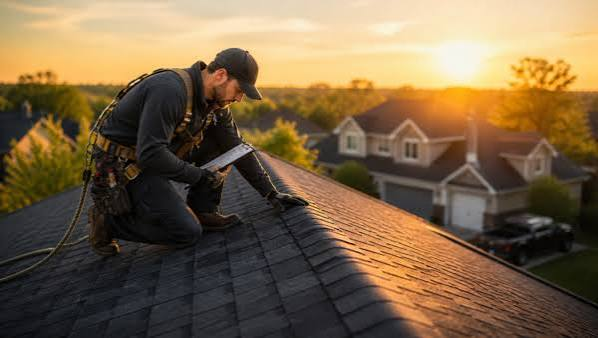

A strong and dependable roof is one of the most important parts of any property because it protects the interior structure from rain, wind, sunlight, moisture, temperature changes, and other environmental conditions. Although roofing materials are designed to provide years of service, every roofing system eventually requires inspection, maintenance, repair, or replacement. Small concerns such as damaged shingles, loose flashing, blocked drainage, or minor leaks can become much more serious when they are ignored. Regular attention helps property owners identify developing problems before they cause extensive structural or interior damage. Professional roofers can evaluate different parts of a roofing system, explain its current condition, and recommend appropriate solutions based on the actual needs of the property. Understanding roofing materials, installation methods, maintenance requirements, ventilation, drainage, repairs, and replacement decisions can help homeowners protect their investment and maintain a safer, more comfortable, and more durable property for many years.
Understanding the Importance of a Strong Roof
A roof provides much more than basic protection from rain. It is an important part of the building envelope and helps protect walls, ceilings, insulation, electrical components, flooring, furniture, and personal belongings from moisture and weather exposure. When a roof develops leaks or structural weaknesses, water can enter areas that are difficult to see and may remain hidden for long periods. Continued moisture exposure can contribute to damaged insulation, unpleasant odors, mold growth, and weakened structural materials. A properly maintained roof also helps support indoor comfort by contributing to insulation and moisture control. Because roofing materials remain exposed to changing weather conditions throughout the year, they naturally experience wear over time. Regular inspections and appropriate maintenance can help identify deterioration before it becomes widespread. Investing in professional roofing care is therefore an important part of protecting the overall condition and long-term value of a property.
Recognizing Common Roofing Problems
Roofing problems can develop because of age, severe weather, improper installation, poor ventilation, inadequate drainage, physical impact, or general material deterioration. Common issues include cracked or missing shingles, curling materials, damaged flashing, loose components, exposed underlayment, deteriorated seals, clogged gutters, and water intrusion. Some problems can be noticed from the ground, while others may remain hidden until they begin affecting the interior of the property. Water stains on ceilings, peeling paint, damp insulation, musty odors, and unexplained moisture can sometimes indicate a roofing issue. Property owners should not assume that a small visible problem is harmless because water can travel from the original entry point and cause damage in other areas. Identifying roofing problems early allows homeowners to investigate the cause and determine whether a simple repair can resolve the issue. Prompt attention can help prevent minor deterioration from developing into a much more expensive project.
Benefits of Regular Roof Inspections
Regular roof inspections provide valuable information about the condition and performance of a roofing system. During an inspection, professionals may examine shingles, tiles, membranes, flashing, vents, gutters, valleys, roof edges, penetrations, and other accessible components. They may also look for signs of water intrusion, material deterioration, structural concerns, poor installation, or previous repairs that require additional attention. A roof inspection does not automatically mean that replacement is necessary. In many cases, an inspection simply helps homeowners understand what condition the roof is in and which areas should be monitored or repaired. Inspections can be especially useful after severe weather events or when a property owner notices changes in the appearance or performance of the roof. Keeping records of inspection findings can also help track the roof’s condition over time. A proactive inspection schedule gives property owners an opportunity to make informed decisions instead of waiting for a major leak or visible failure.
Choosing the Right Roofing Materials
Roofing materials have different characteristics, expected lifespans, maintenance requirements, appearance, and costs. Common options include asphalt shingles, metal roofing, clay tiles, concrete tiles, slate, synthetic products, and membrane systems. The best material depends on several factors, including the design of the building, roof slope, structural requirements, expected weather exposure, budget, appearance preferences, and long-term maintenance expectations. Property owners should consider more than the initial purchase price when selecting a roofing material. A product with a lower initial cost may require more maintenance or replacement sooner, while a more durable material may provide greater long-term value. It is also important to consider whether the existing structure can safely support a particular material. Professional guidance can help homeowners compare available options and understand how each material may perform over time. Choosing a suitable roofing product at the beginning of a project can make a significant difference in durability and future maintenance requirements.
Why Professional Installation Matters
Proper installation is essential because even high-quality roofing materials can fail prematurely when they are installed incorrectly. Roofing installation involves much more than placing materials over the surface of a building. It can include preparing the roof deck, installing underlayment, positioning flashing, securing materials correctly, creating appropriate overlaps, protecting penetrations, and ensuring that drainage and ventilation systems function properly. Mistakes in any of these areas can create weak points where water may enter. Flashing around chimneys, vents, skylights, walls, and other penetrations requires particular attention because these areas can become vulnerable to leaks when they are not sealed correctly. Proper installation also involves following material manufacturer requirements and appropriate building practices. Experienced roofers understand how the different parts of a roofing system work together. Quality installation can therefore improve weather resistance, durability, appearance, and the expected service life of the entire roof.
The Importance of Proper Roof Ventilation
Roof ventilation is an important part of maintaining the condition of the roof and attic area. Proper ventilation allows air to circulate and helps manage heat and moisture accumulation. Without adequate ventilation, excessive heat can build up in an attic during warm periods, while moisture may become trapped and contribute to condensation. Over time, these conditions can affect insulation, wooden components, roofing materials, and indoor comfort. A properly designed ventilation system generally includes suitable intake and exhaust pathways that allow air to move naturally through the attic. Ventilation requirements depend on the roof design, insulation arrangement, building structure, and other factors. Homeowners should not assume that adding vents automatically solves a ventilation problem because an effective system requires balanced airflow. A professional inspection can help determine whether existing ventilation is functioning appropriately and whether changes may be necessary to protect the roof structure and improve overall building performance.
Maintaining Gutters and Drainage
A roofing system must be able to move rainwater away from the building efficiently. Gutters, downspouts, roof valleys, flashing, and drainage pathways all contribute to proper water management. When gutters become filled with leaves, dirt, branches, or other debris, water may overflow and collect around roof edges. This can contribute to damaged fascia, siding deterioration, foundation moisture, and other property problems. Roof valleys should also remain clear because they can carry significant amounts of water during rainfall. Property owners should inspect and clean gutters regularly and check for signs of sagging, separation, rust, or other damage. Downspouts should direct water away from the building rather than allowing it to accumulate near the foundation. Good drainage protects the roof and surrounding structure from unnecessary moisture exposure. Maintaining drainage components is therefore an important part of a complete roofing maintenance strategy.
Understanding Different Roof Repair Needs
Roof repairs can vary significantly depending on the type, location, and severity of the damage. A minor issue may involve replacing a damaged shingle, repairing flashing, sealing a small opening, or correcting a localized area of deterioration. More extensive problems may require replacement of larger sections of roofing material or repair of damaged decking and underlying structural components. It is important to identify the actual cause of a problem rather than simply covering the visible symptom. For example, repairing an interior ceiling stain without addressing the source of the water intrusion will not solve the roofing problem. Water can travel through different layers of a building before becoming visible inside, which makes professional diagnosis especially valuable. Prompt repairs can help limit the spread of moisture and prevent a relatively small issue from becoming a larger structural concern. Homeowners should investigate visible damage rather than waiting for the problem to become severe.
Knowing When Roof Replacement Is Necessary
Every roofing system eventually reaches the end of its useful life, but determining when replacement is necessary requires consideration of several factors. The age of the roof, material type, overall condition, repair history, and expected remaining service life all influence the decision. A roof with isolated damage may continue to perform well after appropriate repairs, while a system with widespread deterioration, repeated leaks, extensive structural damage, or failing materials may be a better candidate for replacement. Property owners should avoid making replacement decisions based on one visible problem alone. A comprehensive evaluation can determine whether damage is localized or whether deterioration has affected a significant portion of the system. Long-term financial considerations are also important because repeated repair costs may eventually approach the cost of a new roof. A professional assessment can help homeowners understand their options and make a decision based on the actual condition of the property.
Protecting Your Roof From Severe Weather
Severe weather can place significant stress on roofing materials. Strong winds may loosen or remove shingles, hail can damage surfaces, heavy rain can expose drainage problems, and falling branches can cause direct physical damage. After a major weather event, property owners should visually check the roof from a safe location and look for obvious signs such as missing materials, debris, damaged gutters, or interior water stains. Homeowners should avoid walking on a roof that may have been damaged because surfaces can become unstable or slippery. A professional inspection can provide a safer and more detailed assessment. Promptly addressing weather-related damage can help prevent additional water intrusion and reduce the possibility of hidden deterioration. It is also helpful to maintain trees around the property by removing dangerous or overhanging branches when appropriate. Preventive steps can reduce the potential for avoidable roof damage during future storms.
Improving Energy Efficiency Through Roofing
A properly designed and maintained roof can contribute to better overall energy performance. Roofing materials, insulation, ventilation, and air sealing work together to influence how effectively a property maintains indoor temperatures. Gaps, damaged roofing materials, inadequate insulation, and poor attic ventilation can contribute to heat transfer and increased heating or cooling demands. During a roofing project, property owners may have an opportunity to address related building-envelope concerns. Some roofing materials are also designed with reflective or energy-efficient characteristics that can influence heat absorption. However, homeowners should remember that roof performance is only one part of overall energy efficiency. Windows, doors, insulation, heating and cooling systems, and air leakage can also affect energy consumption. A comprehensive approach can help property owners understand how roofing improvements fit into broader efficiency goals and determine which upgrades are likely to provide the greatest value.
Proper Maintenance for Different Roofing Materials
Different roofing materials require different maintenance practices, and homeowners should follow the recommendations associated with the specific product installed on their property. Asphalt shingles should be checked for curling, cracking, missing sections, and excessive granule loss. Metal roofs may require inspection of seams, fasteners, protective coatings, and potential corrosion. Tile roofs should be checked for cracked or displaced tiles, while membrane roofing may require attention to seams, edges, penetrations, and surface damage. Regardless of the material, routine inspections can help identify small problems before they become widespread. Property owners should also avoid placing unnecessary equipment or heavy objects on roof surfaces because excessive pressure can damage roofing materials. Trees should be maintained to reduce the chance of branches falling onto the roof, while leaves and debris should be removed from areas where they can collect moisture. Appropriate maintenance helps preserve both the appearance and functionality of the roofing system.
How to Choose a Reliable Roofing Professional
Selecting the right professional is an important decision because roofing work can have long-term effects on the safety and performance of a property. Homeowners should consider experience, workmanship, insurance, warranties, communication, references, and the contractor’s ability to explain the proposed work clearly. A reliable professional should provide a detailed description of the project and identify the materials, preparation, installation procedures, cleanup, and warranty terms involved. Property owners should feel comfortable asking questions about ventilation, underlayment, flashing, drainage, material quality, and expected project duration. Extremely low estimates should be reviewed carefully because they may exclude important components or involve lower-quality materials. At the same time, the highest estimate does not automatically guarantee the best workmanship. A good decision should consider the complete scope of work, material quality, experience, warranty protection, and expected long-term performance. Working with qualified roofers can provide greater confidence that the roofing project will be completed properly and that important components will receive appropriate attention.
Understanding a Detailed Roofing Estimate
A detailed estimate helps property owners understand the scope and expected cost of a roofing project. The document should ideally explain the materials being used, labor, preparation, removal of existing roofing if necessary, disposal, underlayment, flashing, ventilation components, and other relevant work. Homeowners should also review payment schedules, warranty information, project expectations, and potential additional costs before approving the work. Comparing multiple estimates can be useful, but the comparison should focus on what each proposal actually includes rather than simply choosing the lowest price. One estimate may appear less expensive because important materials or preparation steps have been excluded. A more detailed proposal can provide greater clarity and reduce misunderstandings during the project. Property owners should ask questions about anything they do not understand before work begins. Clear documentation can make the project easier to manage and help ensure that expectations are shared by both parties.
Why Quality Workmanship Matters
Quality workmanship is one of the most important factors affecting roofing durability. Proper installation helps materials perform according to their intended specifications and reduces the likelihood of premature problems. Attention to detail is especially important around valleys, roof edges, flashing, vents, chimneys, skylights, and other areas where different materials meet. These locations can become vulnerable to water intrusion if they are installed carelessly. Good workmanship also includes proper preparation, appropriate fastening, correct material placement, safe working practices, and thorough cleanup after the project. Experienced roofers understand that a roofing system consists of multiple interconnected components rather than a simple exterior covering. Their attention to detail can help ensure that these components work together effectively. Property owners should therefore consider workmanship and professional experience alongside material selection when evaluating the long-term value of a roofing project.
Creating a Long-Term Roofing Maintenance Plan
A long-term maintenance plan can help property owners stay ahead of potential roofing problems and manage future expenses more effectively. Regular visual checks, gutter cleaning, professional inspections, ventilation assessments, and prompt repairs can all contribute to better roof performance. Homeowners should maintain records of inspections, repairs, materials, warranties, and installation dates so that they can monitor changes over time. After severe weather, an additional inspection may be appropriate if there is reason to suspect damage. A maintenance plan should also consider the expected service life of the installed roofing material. Planning ahead allows property owners to prepare for eventual replacement rather than being forced into an urgent decision after a major failure. Preventive maintenance is generally easier to manage than extensive repairs caused by prolonged neglect. Consistent care can help preserve the roof’s condition and provide greater confidence in its ability to protect the property.
Signs That Your Roof Needs Professional Attention
Several warning signs can indicate that a roofing system requires closer inspection. Water stains on ceilings or walls, visible leaks, missing shingles, cracked tiles, damaged flashing, sagging areas, excessive granule accumulation, and unexplained moisture should not be ignored. Homeowners may also notice increased indoor humidity, musty odors, damaged attic insulation, or daylight entering through areas where it should not be visible. Some problems may not produce immediate interior symptoms, which is why regular inspections remain important even when the roof appears normal from the ground. A professional can determine whether a visible issue represents isolated damage or a sign of broader deterioration. Prompt attention gives property owners more options because smaller problems can often be addressed before they spread. Waiting until a roof develops a major leak can result in more extensive damage and higher repair costs.
How Regular Maintenance Extends Roof Life
Regular maintenance can help maximize the useful life of a roofing system by addressing problems before they cause widespread deterioration. Cleaning gutters prevents unnecessary water accumulation, while inspecting flashing can help identify potential leak points. Replacing damaged materials can prevent water from reaching underlying layers, and maintaining proper ventilation can help manage heat and moisture in the attic. Regular inspections also allow property owners to monitor the natural aging process of the roof. Not every roof requires the same maintenance frequency, so the schedule should reflect the material, age, environmental exposure, and condition of the system. Keeping track of previous work can help identify recurring problems and determine whether additional investigation is needed. Preventive maintenance does not make a roof permanent, but it can reduce avoidable deterioration and help homeowners receive better long-term value from their investment.
Final Thoughts on Long-Term Roof Protection
A dependable roof requires proper materials, quality installation, regular inspections, appropriate maintenance, effective drainage, suitable ventilation, and timely repairs. Property owners should pay attention to visible damage and interior warning signs rather than waiting for a serious leak or structural problem to appear. Professional inspections can provide valuable information about the condition of the roofing system and help homeowners determine whether repairs or replacement are appropriate. Choosing suitable materials and qualified professionals can also improve durability, appearance, and long-term performance. Regular gutter maintenance, ventilation checks, weather inspections, and prompt attention to minor problems can further protect the property from unnecessary damage. By taking a proactive approach to roof care and making informed decisions about maintenance and repairs, homeowners can preserve one of the most important protective elements of their property. A well-maintained roofing system can provide dependable weather protection, support indoor comfort, improve property value, and deliver reliable performance for many years.