
A comfortable indoor environment depends heavily on a heating, ventilation, and air conditioning system that operates efficiently throughout the year. HVAC equipment plays an important role in maintaining suitable temperatures, controlling humidity, improving air circulation, and supporting better indoor air quality. When an HVAC system is properly installed, maintained, and repaired, it can provide reliable comfort while using energy more efficiently. However, even high-quality equipment can develop problems over time because of regular use, aging components, clogged filters, electrical issues, refrigerant problems, or inadequate maintenance. Working with an experienced hvac company can help property owners identify potential problems before they become expensive repairs and ensure that heating and cooling equipment receives the professional attention it needs. Understanding the importance of HVAC services can help homeowners and businesses make informed decisions about maintenance, repairs, replacement, and long-term system performance.
Understanding the Importance of HVAC Systems
Heating and cooling systems are essential components of modern buildings because they influence comfort, energy consumption, and indoor air conditions. An HVAC system does much more than simply produce warm or cool air. It circulates air through the building, helps manage temperature changes, removes excess humidity, and can contribute to cleaner indoor air when appropriate filtration and ventilation systems are maintained correctly. Since these systems often operate for many hours each day, their components naturally experience wear and tear. Small issues that are ignored can gradually develop into larger problems that affect performance and increase operating costs. Regular inspections and professional servicing can help identify worn parts, airflow restrictions, unusual sounds, inefficient operation, and other warning signs before they result in a complete system breakdown. Maintaining HVAC equipment is therefore an important part of protecting comfort and avoiding unnecessary disruptions.
The Benefits of Professional HVAC Installation
The quality of an HVAC installation can have a significant impact on how well the system performs throughout its service life. Even a high-quality heating or cooling unit may operate inefficiently if it is incorrectly sized, poorly connected, or installed without considering the building’s specific requirements. Professional installation involves evaluating the property, selecting appropriate equipment, ensuring correct connections, checking airflow, and testing the system before completion. Proper installation can also help reduce unnecessary strain on the equipment because the system is designed to operate according to its intended capacity. An experienced hvac company can help customers understand available equipment options and select systems based on factors such as efficiency, building size, usage patterns, comfort requirements, and long-term operating costs. A carefully installed system can provide more consistent performance and may require fewer avoidable repairs over time.
Why Regular HVAC Maintenance Matters
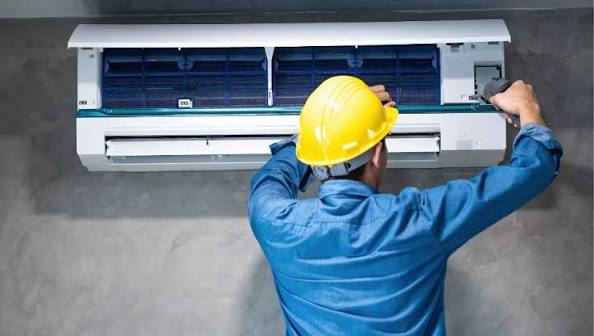
Routine maintenance is one of the most effective ways to support the long-term performance of heating and cooling equipment. During regular service, technicians can inspect important components, clean parts, check electrical connections, examine filters, evaluate airflow, and identify signs of wear. Depending on the type of system, maintenance may also include checking refrigerant levels, inspecting coils, testing thermostats, lubricating moving components, and verifying that safety controls are functioning correctly. These tasks can help the system operate more efficiently and reduce the likelihood of unexpected breakdowns. Without maintenance, dust and debris can accumulate, filters can become restricted, and mechanical components may gradually lose efficiency. Scheduling professional maintenance before periods of heavy usage can be particularly helpful because it gives technicians an opportunity to identify potential issues before the system is needed most.
Recognizing Common HVAC Problems
HVAC systems often provide warning signs when something is not operating correctly. Uneven temperatures between rooms, weak airflow, unusual noises, frequent cycling, unpleasant odors, rising energy bills, and poor humidity control can all indicate that a system requires attention. Some problems may be relatively simple, such as a dirty filter or thermostat issue, while others may involve more complicated mechanical or electrical components. Ignoring these signs can allow a small problem to become more serious and potentially increase repair costs. Property owners should pay attention to changes in system performance rather than waiting until the equipment stops working completely. A professional technician can inspect the system, determine the underlying cause, and recommend an appropriate solution. Early diagnosis is often beneficial because it can prevent additional components from being affected and help restore normal performance more quickly.
Improving Energy Efficiency
Energy efficiency is an important consideration for property owners because heating and cooling equipment can represent a significant portion of energy consumption. An inefficient system may need to operate longer to achieve the desired indoor temperature, which can increase utility expenses and place additional stress on components. Several factors can affect efficiency, including equipment age, maintenance condition, ductwork, insulation, airflow, thermostat settings, and system size. Professional servicing can help identify conditions that may be reducing efficiency. Cleaning important components, replacing restricted filters, correcting airflow problems, and addressing mechanical issues can all support better operation. When an older system has reached the end of its useful life, replacing it with a modern high-efficiency model may also provide long-term benefits. However, replacement should be based on the actual condition and performance of the existing equipment rather than simply its age.
The Role of Indoor Air Quality
Indoor air quality is another important part of HVAC performance. Dust, pollen, pet particles, odors, humidity, and other airborne contaminants can affect the indoor environment, especially when ventilation and filtration systems are not maintained properly. HVAC systems can help circulate and filter air, but they require appropriate maintenance to perform these functions effectively. Dirty filters can restrict airflow, while neglected ducts and components may contribute to poor air circulation. Depending on the building and system design, additional filtration or ventilation solutions may also be appropriate. A qualified hvac company can assess the condition of the existing system and explain which improvements may be useful. Maintaining filters, controlling humidity, ensuring adequate ventilation, and keeping HVAC components clean can contribute to a more comfortable indoor environment and support better overall air management.
Choosing the Right HVAC Service Provider
Selecting an HVAC service provider requires careful consideration because the quality of professional work can influence system reliability and long-term costs. Property owners should look for a company with experienced technicians, appropriate training, strong communication practices, and a clear approach to diagnosing problems. A reputable provider should explain what has been discovered and why a particular repair or replacement is recommended. Customers should also be cautious of vague estimates or unnecessary recommendations that are not supported by a proper inspection. Clear pricing and detailed explanations can make the service experience more transparent. Reading customer reviews and checking professional credentials may also help when comparing service providers. The goal should be to choose a team that focuses on solving the actual problem rather than simply replacing equipment or parts without determining the underlying cause.
HVAC Repair and the Value of Timely Service
When an HVAC system develops a problem, timely repair can prevent additional damage and restore comfort more quickly. A malfunctioning system may continue operating while placing excessive strain on other components, which can cause secondary issues. For example, a restricted airflow problem may force the equipment to work harder, while an electrical fault can create additional performance and safety concerns. Professional technicians can diagnose the system and determine whether a repair is practical or whether replacement is a more reasonable long-term option. Not every malfunction means the entire system needs to be replaced. In many cases, repairing a specific component can restore reliable operation and extend the useful life of the equipment. The important consideration is receiving an accurate diagnosis so that decisions are based on the actual condition of the system.
When HVAC Replacement Makes Sense
Eventually, every heating and cooling system reaches a point where replacement becomes more practical than continued repair. Frequent breakdowns, declining efficiency, expensive repairs, outdated components, and inconsistent comfort can all be signs that an aging system may need to be replaced. However, replacement is a significant investment and should be approached carefully. Property owners should consider the system’s current operating costs, repair history, expected remaining life, available efficiency improvements, and the comfort needs of the building. A professional hvac company can evaluate the existing equipment and explain whether repair, partial replacement, or complete system replacement makes the most sense. Newer systems may provide improved efficiency, quieter operation, better temperature control, and modern features, but the correct choice depends on the specific property and its requirements.
Understanding the Importance of Proper Sizing
Proper HVAC sizing is essential for efficient and comfortable operation. A system that is too small may struggle to reach the desired temperature, causing it to run for extended periods and experience unnecessary wear. A system that is too large may cycle on and off too frequently, which can reduce efficiency and make temperature and humidity control less consistent. Professional sizing considers factors such as building dimensions, insulation, windows, occupancy, existing ductwork, and other characteristics that influence heating and cooling requirements. Simply choosing a larger unit does not necessarily provide better performance. A properly sized system is designed to meet the actual needs of the property while operating efficiently. Professional evaluation before installation or replacement can therefore help prevent problems associated with incorrect equipment selection.
Maintaining Ductwork and Airflow
Ductwork plays an important role in distributing conditioned air throughout a building. Leaks, poor connections, blockages, inadequate insulation, and accumulated debris can affect airflow and reduce system efficiency. When conditioned air escapes through damaged ducts, the HVAC system may need to operate longer to achieve the desired temperature. Rooms may also experience inconsistent airflow, making some areas feel warmer or cooler than others. Professional inspection can help identify ductwork problems that may not be obvious during normal use. In some situations, sealing leaks or improving insulation can enhance system performance without requiring replacement of the main HVAC equipment. Maintaining clear and efficient airflow allows heating and cooling systems to distribute conditioned air more effectively and may help reduce unnecessary energy consumption.
Smart Thermostats and Modern HVAC Technology
Technology has changed the way property owners control and monitor indoor comfort. Smart thermostats can provide scheduling features, temperature adjustments, usage information, and remote control capabilities depending on the model. Modern HVAC equipment may also include variable-speed motors, advanced filtration, improved sensors, zoning capabilities, and other features designed to enhance comfort and efficiency. These technologies can provide meaningful benefits when they are selected and configured correctly. However, adding advanced controls to an older or incompatible system may not always produce the expected results. Professional evaluation can help determine whether a smart thermostat or other technology is appropriate for the existing equipment. When modern controls are properly integrated, they can provide greater control over indoor temperatures and help users manage their systems more efficiently.
Preparing HVAC Systems for Seasonal Changes
Heating and cooling equipment often experiences periods of intense use depending on seasonal conditions. Preparing the system before heavy demand can help identify potential problems while there is still time to address them. Seasonal maintenance may include filter replacement, component inspection, airflow checks, thermostat testing, and general cleaning. This preparation can be particularly useful for older systems because worn components may fail when the equipment is operating under increased demand. Preventive servicing does not guarantee that a breakdown will never occur, but it can reduce avoidable problems and improve the chances of reliable operation. Property owners should also keep outdoor equipment clear of debris and avoid blocking vents or registers inside the building. Simple maintenance habits combined with professional inspections can help keep HVAC equipment working more consistently throughout the year.
Safety and Professional HVAC Work
HVAC systems contain electrical components, moving parts, heating elements, refrigerants, and other equipment that can present safety concerns when improperly handled. Attempting complicated repairs without the necessary training can create additional risks or cause damage to the system. Professional technicians have the knowledge and equipment needed to diagnose and service HVAC components safely. They can also identify issues that may not be obvious to property owners, such as electrical irregularities, combustion concerns, ventilation problems, or damaged components. Safety should always be a priority when dealing with heating and cooling equipment. Professional service helps ensure that repairs and maintenance are completed according to appropriate procedures while reducing the likelihood of accidental damage or unsafe operation.
Making a Long-Term HVAC Maintenance Plan
A long-term maintenance plan can help property owners stay ahead of common HVAC problems and manage equipment expenses more effectively. Instead of waiting for a complete breakdown, regular inspections can identify developing issues before they become emergencies. A maintenance plan can include scheduled filter changes, seasonal inspections, equipment cleaning, airflow checks, thermostat evaluations, and monitoring of system performance. Keeping records of repairs and maintenance can also help property owners understand how the equipment is aging and when replacement may eventually become necessary. A dependable hvac company can help create a service schedule based on the type, age, condition, and usage of the system. Consistent maintenance not only supports comfort but can also make HVAC expenses more predictable by reducing the likelihood of unexpected major failures.
Final Thoughts on Reliable HVAC Services
Heating and cooling systems are important investments that require proper installation, regular maintenance, timely repairs, and informed decision-making throughout their service life. From improving energy efficiency and indoor air quality to maintaining consistent comfort and preventing unexpected breakdowns, professional HVAC services can provide significant long-term value. Property owners should pay attention to warning signs, schedule routine inspections, maintain filters and airflow, and seek qualified assistance when problems occur. Choosing an experienced hvac company can make it easier to understand the condition of the equipment and determine whether maintenance, repair, or replacement is the most practical solution. With a proactive approach and professional care, HVAC systems can operate more efficiently, provide dependable comfort, and remain valuable parts of a property for many years.