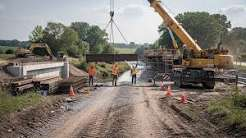

Road and bridge work depends on a simple promise: the money will be there when the project is ready. Right now, that promise feels shaky. Congress has again chosen a short-term fix for federal highway and transit programs instead of passing a new long-term bill. The stopgap keeps money flowing for now, but it runs out within weeks, and lawmakers are heading into a crowded session right after the midterm elections.
For contractors and material suppliers, this is more than a news story from Washington. It affects which jobs get bid, how long they take to start, what prices are safe to offer, and how much stone, asphalt, cement, steel, and pipe will be needed next season. This article explains what is going on in plain words and shares practical steps that firms of all sizes can take to protect themselves while the decision is still open.
What Is Happening in Washington
Federal surface transportation programs run on multi-year laws. The current law, passed a few years ago, reached its end date this fall. A new five-year bill, known as BUILD America 250, has moved forward in the House, but the Senate and House have not yet agreed on a final version. Because time ran short, lawmakers passed a temporary extension of existing programs to buy more time.
This is not new. Congress has leaned on short-term extensions many times over the years, and for roughly a third of the past few decades the country has been running on one. Each time, industry leaders say the same thing: extensions keep the lights on, but they do not give anyone the confidence to plan big projects.
Now the clock is ticking again. The extension ends soon, and the lame-duck session after the elections is crowded with other issues, including government funding. Industry groups are asking lawmakers to finish the long-term bill before the current Congress ends. If they do not, another extension, or a gap, is possible.
Why Short Extensions Cause Long Headaches
State transportation departments are the main buyers of road and bridge work. They get federal money, add state money, and then put projects out for bid. When federal funding is clear for many years, they can build a long list of projects and schedule them in order. When it is clear for only a few weeks or months, they become careful.
Careful agencies delay lettings, cut the size of programs, or hold back projects that depend on federal dollars. Large jobs take years to plan, design, and bid. If an agency cannot be sure of its money, it may not start the process at all. The result is a slow pipeline for contractors a year or two later, even if the money comes through in the end.
Some programs outside the main highway formula are also at risk. Safety programs and certain grants have faced questions about future funding. Local governments, which often depend on grants for smaller road and bridge jobs, may pause projects until they know what is coming.
Who Feels the Pressure First
Heavy highway contractors are the most direct group. Paving firms, bridge builders, grading crews, and guardrail installers all depend on a steady supply of public lettings. A few missed lettings can leave crews and machines idle, which is costly because equipment payments and wages continue.
Material suppliers feel it next. Asphalt plants, aggregate quarries, ready-mix producers, steel and rebar suppliers, and pipe makers plan production and inventory based on expected work. When the outlook is cloudy, they must guess how much to make and how many drivers and trucks to keep. A wrong guess means either empty shelves during a busy season or piles of unsold material.
Smaller firms, such as local trucking companies, surveyors, and traffic control providers, may feel it even more. They often work as subcontractors and have less cash to cover a slow period. For them, a delay of a few months can be serious.
Bidding Smart When the Pipeline Is Uncertain
In a slow or uncertain market, each bid matters more. When fewer jobs are out, more firms chase the same work, and competition gets tight. A careless bid that wins at a price that is too low can hurt a firm for years. A careful bid that is slightly late can lose a job that was hard to find.
Many estimating teams are already stretched thin. Public bids come with long plan sets, detailed specs, prevailing wage rules, and strict forms. To keep up, some firms use construction estimating services for parts of the work, such as measuring quantities or building a first draft of the price, so that their own staff can focus on strategy, risk, and talking with suppliers and subcontractors.
Whether the work is done in-house or with help, good habits matter. Read the full bid package early. List the items that carry the most cost or risk, such as rock, poor soil, night work, or tight traffic rules. Check the haul routes and plant distances. Confirm the funding source, since a project that depends on federal money may have different timing than one funded by the state.
Pricing Risk on Jobs That Start Late
One of the biggest problems with funding delays is time. A job may be bid at one price, then wait weeks or months for the notice to proceed. During that wait, fuel, steel, asphalt binder, cement, and labor costs can move. In the past year, input costs have risen faster than many contractors expected, and tariffs on metals have added to the pressure.
This is where careful pricing pays off. Firms that use detailed cost models can see how each part of the job reacts to price changes. Some contractors work with construction cost estimating services to test their numbers and add a fair allowance for price movement, which gives them a clearer view of where the biggest risks sit. Even if the final bid uses the firm’s own figures, a second look can catch weak spots.
Contract terms also matter. Ask whether the agency allows price adjustment for fuel, asphalt, or steel. Many states have such clauses for certain items, and they can protect both sides. Check how long bids must be held open, and what happens if the start date slips. If the contract has no protection, the price should include a larger allowance for risk.
Protecting Cash Flow and Bonding Capacity
Slow lettings are not only a backlog problem. They are a cash problem. A contractor with fewer jobs has less income to cover overhead, loans, and payroll. Banks and surety companies watch backlog closely, so a thin schedule can reduce credit and bonding limits just when a firm wants to bid for new work.
Simple steps can help. Review your cash forecast every month. Delay big equipment purchases unless they are tied to secured work. Keep good records and talk openly with your banker and surety agent, so there are no surprises. Firms that share their plans early are often treated better than those that wait until trouble appears.
Collection speed matters too. Send pay applications on time, keep change orders documented, and follow up on late payments. Public agencies generally pay reliably, but errors in paperwork can cause long delays that hurt a small firm.
What Material Suppliers Should Do Now
Suppliers can take action in several areas. First, talk with your biggest contractor customers about what they expect to bid and win. A short call can tell you far more than a general forecast. Ask which projects are likely to start, which are on hold, and what sizes and mixes they may need.
Second, plan inventory with care. Keep enough stock of the most common items, such as base stone, common asphalt mixes, standard pipe sizes, and rebar, but avoid building large piles of special items that may not sell. If your products are affected by price swings, shorter quote periods or clear price adjustment terms can protect you.
Third, watch credit. If a contractor customer slows down, payments may slow too. Review credit limits and payment history, and use lien rights and notices properly on public and private work. Strong paperwork protects suppliers when times are tight.
Finally, help your customers win. Suppliers who give quick quotes, clear delivery plans, and honest information about price risk make bidding easier. A contractor who gets a reliable quote in an hour is more likely to include your product in the bid and call you again after the win.
Spreading Risk Across Different Markets
No firm should depend on one source of work. Even while federal highway money is unclear, there are other markets for site, paving, and utility contractors. Data centers, warehouses, energy projects, water and sewer upgrades, airports, and private development all need similar skills and materials. Some state and local agencies also have their own funds and may keep lettings steady.
Switching markets takes planning. Private work has different contracts, payment terms, and risks than public work. Learn the basics before you jump in. Start with a few jobs, build relationships, and keep your safety and quality standards high. Over time, a mix of public and private work can smooth out the ups and downs.
Training and equipment choices can help as well. Crews that can do many kinds of work, and machines that can be used on different job types, are easier to keep busy. Firms that invest in skills rather than only in one type of project tend to hold up better when funding shifts.
What to Watch in the Coming Weeks
Over the next few weeks, a few signals will matter. First, watch whether Congress moves the long-term bill or passes another short extension. Second, listen to your state transportation department. Many agencies publish letting schedules and updates on federal funding, and they often meet with industry groups. Third, follow reports from trade groups, which track the bill closely and share advice.
It also helps to prepare for both outcomes. If a long-term bill passes, agencies may release more projects, and the bidding season could become busy fast. Firms that already have their crews, bonding, and supplier relationships ready will be able to move quickly. If another delay comes, the firms with strong cash and flexible plans will be in the best position to wait.
A Short Checklist for Contractors and Suppliers
- Review your backlog and list which jobs depend on federal money.
- Talk with your state agency or main customers about expected lettings.
- Update your cash forecast and speak with your bank and surety early.
- Check price adjustment terms before you bid, and add risk allowances where there are none.
- Keep inventory lean on special items and strong on core materials.
- Review customer credit and keep payment paperwork complete.
- Look at other markets where your crews and products can fit.
- Keep your team trained and your equipment well maintained so you can move fast when work appears.
Final Thoughts
Highway funding debates may feel far from the jobsite, but their effects are felt every day in plant orders, bid lists, and crew schedules. Short-term extensions keep programs alive, yet they leave the industry waiting for a clear, steady plan. The final decision is still in the hands of Congress.
What contractors and suppliers can control is how ready they are. Bid with care, price with honesty, protect cash, and keep strong ties with customers and partners. Firms that do these things well will be ready whether the answer from Washington comes quickly or takes more time, and they will be the ones still standing strong when the next big wave of road and bridge work begins.