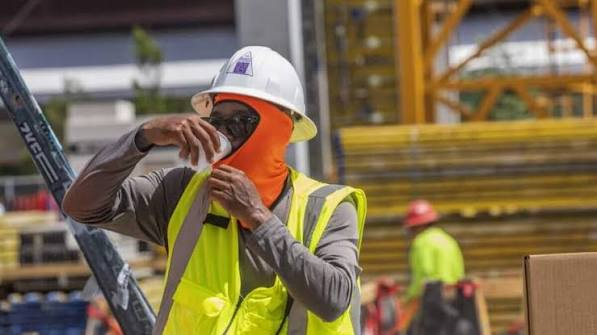

Every outdoor crew in America knows the feeling of a long, hot day on the job. Dust in the air, sun on the back, and a schedule that does not stop for the weather. For years, safety groups have asked for a national rule that sets clear steps for protecting workers from heat. Industry groups, on the other hand, worry that a one-size-fits-all rule could add cost and paperwork without matching real field conditions. This debate is still alive, and contractors are paying close attention.
Whatever happens in Washington, the smart move is to plan now. Heat safety affects crew health, daily production, insurance costs, and bid prices. It touches site contractors and material suppliers more than most, because their work happens in open air. This article explains where the debate stands, how heat planning changes the way work is priced and scheduled, and what steps contractors and suppliers can take today without waiting for a final rule.
Where the Heat Rule Debate Stands
The federal Occupational Safety and Health Administration has been working on a national heat injury and illness prevention standard for several years. The draft would apply to construction and many other industries. In general terms, it would ask employers to write a heat plan, watch conditions on the job, and take action when the heat index passes certain levels. That action could include water, rest breaks, shade, and time to get used to the heat.
Contractor groups have shared strong views on the proposal. Many agree that heat illness is a real danger and say they already take steps to protect workers. At the same time, they ask for rules that are flexible, because a paving crew in the desert faces different conditions than a framing crew in a cool coastal town. Some have urged members to speak up, warning that a rigid rule could be hard to follow on small jobs.
Meanwhile, the law does not stand still. Even without a final federal rule, OSHA can act under its general duty to keep workplaces safe from known hazards. A number of states also have their own heat rules, and more may follow. Contractors who work in several states may already face different rules from one job to the next.
Why Sitework Crews Feel Heat the Most
Not all construction work is equal when it comes to heat. Crews working inside a finished building have walls and shade. Site crews have none of that. Operators sit in machines for hours, laborers rake and shovel in bright sun, and pipe crews work in trenches where hot air can feel trapped. Asphalt and concrete add even more heat from below.
Dust and protective gear can make things worse. High-visibility vests, long sleeves, and hard hats are needed for safety, but they also hold in heat. New workers are at special risk in their first days on the job, because their bodies are not yet used to hard work in hot weather.
The signs of heat illness can be easy to miss. A worker may feel dizzy, get a headache, or become confused. They may stop sweating, which is a danger sign. Good supervisors learn to spot these signs early and act fast. Quick rest, cool water, and shade can prevent a minor problem from turning into an emergency.
How Heat Planning Changes the Cost of a Job
Heat safety is not free, but it is often cheaper than the cost of an injury, a lost worker, or a stopped job. When firms build heat steps into the plan from the start, they can price them fairly and avoid surprise costs later.
Direct costs include cold water and ice, shade tents or cooling trailers, portable fans or misting stations, extra restroom units, and training time. There are also indirect costs. Crews take more breaks on very hot days, so output per hour drops. Start times may move earlier, which can mean shift changes or overtime rules. Some tasks, like paving or concrete finishing, may need special timing to avoid the hottest hours.
These effects are real, and they should show up in the bid. A firm that ignores them may promise a production rate that its crews cannot meet on a hot afternoon. A firm that includes them can bid with more confidence and explain its prices clearly to owners.
Getting Counts and Production Rates Right
Bidding hot-weather work well starts with a solid base of quantities. How many cubic yards of soil must be moved, how many linear feet of pipe laid, how many square yards of stone base or paving placed? Without these numbers, it is impossible to know how long a crew will be out in the sun. Many busy firms use sitework takeoff services to get clean measurements from plans quickly, which leaves estimators more time to think about weather, crew size, and schedule risk.
Once the quantities are known, estimators can adjust production rates for the season and place of the job. A crew that places a certain amount of stone in a mild week may place less during a heat wave. Looking at past daily reports can help. If a similar project showed a clear drop in output on very hot days, that drop should be reflected in the plan.
It also helps to split the schedule in smart ways. Heavy tasks can be set for early morning. Lighter tasks or shaded work can be left for midday. If the job spans several seasons, the hottest work can be planned for cooler months where possible.
Putting Heat Costs Into the Final Price
After counts and rates are set, the next step is turning them into dollars. Labor hours, equipment time, water and shade supplies, extra supervision, and possible delay costs all belong in the price. Some contractors lean on sitework estimating services to build a full cost picture and compare it with their own figures, which can reveal gaps before the bid goes out the door. Even firms with strong in-house teams can gain from a second look when workloads are heavy.
Clear contract language helps as well. Ask whether weather delays will be handled with time extensions. Check if the owner has set rules on working hours or noise that limit early starts. If heat rules in the project location are strict, make sure the plan and the price match them.
What Material Suppliers Can Do
Suppliers of stone, sand, soil, pipe, concrete, and asphalt are also affected. Truck drivers spend hours in hot cabs and on loading yards. Yard workers handle hot materials in open sun. Delivery times often stretch when crews take more breaks or change start times.
Suppliers who adapt will win trust. Offer earlier loading hours so trucks can reach job sites before the peak heat. Keep drinking water, shade, and rest areas at the yard for drivers and customers. Provide clear delivery windows and call ahead when delays happen. When a contractor knows exactly when a truck will arrive, the crew can plan breaks and work without waiting in the sun.
Suppliers can also sell products that support heat safety. Items such as water coolers, ice, cooling towels, shade canopies, light-colored work gear, and portable fans are in high demand during hot spells. Having them in stock, with fair prices and quick delivery, is a real service to contractors who need them on short notice.
Building a Simple Heat Plan That Works
You do not need a thick binder to protect your crew. A short, clear plan that everyone understands is better than a long one that no one reads. A good plan covers a few key points.
- Watch the weather. Check the forecast each day and track the heat index on site, not just in the nearest town.
- Provide water, shade, and rest. Make sure cool water is close by and that workers can take breaks in a shaded or cooled area.
- Help new workers adjust. Give new hires and workers returning from time away a gradual start, with lighter loads in the first days.
- Train supervisors. Show them the early signs of heat illness and what to do, including when to call emergency help.
- Use a buddy system. Workers should watch each other, especially in trenches or machines where a problem may go unseen.
- Keep simple records. Note the heat conditions, the steps taken, and any incidents. Good records protect the company if questions come up later.
Training, Culture, and Keeping Good People
The best heat plan fails if workers are afraid to speak up. Some crews have a habit of pushing through, because no one wants to look weak or slow down the job. Strong leaders change that. They take breaks themselves, drink water in front of the crew, and thank workers who report early signs of trouble.
This also helps with hiring. With the construction job market very tight and few unemployed workers available, firms that treat people well find it easier to keep crews. Pay is important, but so is knowing that your employer cares about your safety. A company with a good record is also likely to see lower insurance costs over time.
Language matters too. Many crews include workers who speak different languages. Signs, short training talks, and written plans should be clear and available in the languages used on site. Simple pictures and color codes can help when words are not enough.
Being Ready for Whatever Comes Next
No one can say exactly what the final federal rule will look like, or when it will arrive. But the direction is clear. Heat safety is getting more attention from regulators, owners, insurers, and workers. States are moving forward, and large owners are adding their own safety rules to contracts.
Firms that get ready early will have an edge. They will already have plans, training, supplies, and pricing habits in place. If a final rule arrives, they will only need small changes. If it does not, they will still gain from healthier crews and fewer surprises. Either way, the work is worth doing.
How Owners and Insurers Are Reacting
Project owners are paying closer attention to heat. Large owners and public agencies often add safety rules to their contracts, such as water stations, shade, and written plans, even where no law requires it. Contractors who already have these items in place can answer bid questions with ease and may even stand out from rivals who have not planned ahead.
Insurance companies are watching as well. A serious heat case can lead to a large claim, higher premiums, and a damaged safety record. Many insurers now ask about training, written plans, and daily checks before they set prices. A clean record and strong paperwork can help a contractor win better terms and qualify for more work with safety-minded owners.
There is also a bid fairness issue. If one firm leaves out heat costs to offer a lower price, it may win the job and then struggle to meet the schedule safely. Owners are learning to look past the lowest number and ask what is included. Contractors who explain their heat steps in plain words, and show how they affect cost and schedule, often earn more trust and fewer arguments after the contract is signed.
Final Thoughts
Heat safety may not be the most exciting topic in construction, but it matters to every person on a site. For contractors, it connects directly to production, scheduling, and pricing. For suppliers, it shapes delivery plans and product demand. The debate in Washington may continue, but the need for action on the ground is here now.
Start with simple steps. Review your last few hot-weather jobs, update your production rates, add the true cost of heat protection to your bids, and talk with your crews and partners. A small effort today can prevent a serious injury tomorrow, protect your margins, and make your company a place where good workers want to stay.