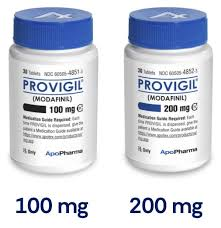

If you have been diagnosed with narcolepsy, or you suspect you might have it, there is a good chance your sleep specialist has mentioned modafinil. It is one of the first-line medications for the excessive daytime sleepiness that defines the condition, and it has been in clinical use since the late 1990s. This guide explains, in plain language, what narcolepsy is, why modafinil helps, what a typical treatment looks like, and what you can realistically expect from it. It is written for patients and their families rather than for clinicians, so the emphasis is on practical understanding rather than pharmacology jargon.
What Narcolepsy Actually Is
Narcolepsy is a chronic neurological disorder that disrupts the brain’s ability to regulate the boundary between sleep and wakefulness. Most people think of it as “falling asleep suddenly,” and while sleep attacks do happen, the more constant problem is a heavy, relentless daytime sleepiness that does not go away no matter how much you slept the night before.
There are two recognized types:
- Type 1 narcolepsy involves cataplexy, a sudden loss of muscle tone triggered by strong emotion such as laughter or surprise. It is strongly associated with the loss of orexin-producing neurons in the hypothalamus.
- Type 2 narcolepsy involves excessive daytime sleepiness without cataplexy. Orexin levels are often normal or only mildly reduced, and the underlying cause is less well understood.
Other symptoms can include sleep paralysis, vivid hallucinations while falling asleep or waking, fragmented nighttime sleep, and automatic behaviors where you continue an activity without full awareness. Not everyone experiences all of these, and severity varies widely from person to person.
The orexin connection matters for understanding treatment. Orexin (also called hypocretin) is a signaling molecule that helps stabilize wakefulness. When those neurons are lost, the brain’s “stay awake” signal becomes unreliable. Medications like modafinil do not replace orexin, but they strengthen the wake-promoting systems that remain.
Why Modafinil Is a First-Line Treatment
Before modafinil, the main options for narcolepsy sleepiness were classic stimulants such as amphetamine and methylphenidate. Those work, but they come with cardiovascular strain, appetite suppression, rebound crashes, and meaningful abuse potential. Modafinil was developed as a different kind of wakefulness drug, and it received FDA approval for narcolepsy in 1998, later expanding to obstructive sleep apnea-related sleepiness and shift work disorder.
The reason clinicians reach for it early is its balance of effectiveness and tolerability. For many patients, modafinil produces a clear reduction in daytime sleepiness without the “wired” feeling or the sharp comedown that amphetamines can cause. It is classified as a Schedule IV controlled substance in the United States, which reflects a low potential for abuse relative to Schedule II stimulants.
How It Works, Briefly
Modafinil’s primary action is inhibition of the dopamine transporter, which modestly raises dopamine availability in wake-related brain circuits. Downstream, it increases activity in histamine and orexin pathways that keep the cortex alert. The net effect is a smoother, more sustained wakefulness rather than a stimulant “push.” Its half-life is roughly 12 to 15 hours, which is why a single morning dose can cover most of a working day.
What a Typical Treatment Plan Looks Like
Treatment is individualized, but most patients follow a broadly similar path.
Starting dose. Most prescribers begin at 100 mg or 200 mg taken once in the morning. Some start lower, particularly in older adults or people with liver impairment, and titrate upward based on response.
Adjustment. If sleepiness is well controlled, the dose stays put. If it is only partly controlled, the dose may be increased to 200 mg, or occasionally split into a morning dose and an early-afternoon dose. Doses above 400 mg are rarely used because the added benefit is small and side effects increase.
Timing. Because of the long half-life, taking modafinil late in the day can interfere with nighttime sleep. Narcolepsy patients already struggle with fragmented sleep, so most clinicians recommend dosing as soon as you wake and avoiding any additional dose after early afternoon.
Combination therapy. For Type 1 narcolepsy, modafinil addresses sleepiness but not cataplexy. Patients with cataplexy often take a second medication, such as sodium oxybate or an antidepressant, alongside it. Your doctor will coordinate the combination.
Here is a simple comparison of how modafinil fits relative to other common narcolepsy medications:
| Medication | Main target | Typical timing | Notable considerations |
| Modafinil | Daytime sleepiness | Morning, once daily | Low abuse potential, headache and nausea most common |
| Armodafinil | Daytime sleepiness | Morning, once daily | R-enantiomer, slightly longer effect for some patients |
| Methylphenidate | Daytime sleepiness | Multiple doses | Stronger stimulant, more cardiovascular effects |
| Sodium oxybate | Cataplexy and night sleep | At bedtime, split dose | Improves sleep quality, strict handling rules |
| Pitolisant | Sleepiness and cataplexy | Morning | Histamine-based, not a controlled substance |
What Improvement Feels Like
Patients often ask what “working” looks like. It does not mean feeling energized or euphoric. A well-dosed narcolepsy patient on modafinil typically describes:
- Being able to sit through a meeting, lecture, or movie without nodding off
- Fewer unplanned naps and less need to schedule naps around the day
- Better ability to concentrate on reading or detailed work
- Feeling “normal awake” rather than stimulated
Sleep specialists often measure progress with tools such as the Epworth Sleepiness Scale, a short questionnaire that rates how likely you are to doze in everyday situations. A meaningful drop in that score, along with your own sense of daily function, is the practical benchmark.
It is important to set expectations honestly. Modafinil reduces sleepiness; it does not cure narcolepsy, and it does not fully restore the alertness of someone without the condition. Many patients still benefit from short scheduled naps, and most continue to need consistent sleep hygiene.
Side Effects and How Patients Manage Them
Modafinil is generally well tolerated, but no medication is free of side effects. The most commonly reported ones are:
- Headache, usually mild and often improving after the first week or two
- Nausea or reduced appetite, especially if taken on an empty stomach
- Insomnia if dosed too late
- Nervousness or anxiety in some individuals, more often at higher doses
- Dry mouth and mild dizziness
Practical tips that patients and clinicians commonly use include drinking more water (headache often tracks with dehydration), taking the tablet with a light breakfast, and keeping dosing strictly in the morning.
Rare but serious reactions deserve mention. Modafinil has been associated with severe skin reactions, including Stevens-Johnson syndrome, and with rare psychiatric reactions such as mania or suicidal thoughts in susceptible individuals. Any rash, especially with fever or mouth sores, should prompt an immediate call to your doctor. These events are uncommon, but knowing the warning signs is part of responsible use.
Interactions to Discuss With Your Doctor
Modafinil induces certain liver enzymes and can reduce the effectiveness of hormonal contraceptives; women of childbearing age are usually advised to use an additional non-hormonal method during treatment and for a month afterward. It can also affect blood levels of some other medications, including certain antidepressants, anticoagulants, and immunosuppressants. Always share a complete medication list with your prescriber.
Living With Narcolepsy Beyond Medication
Medication is one leg of a three-legged stool. The other two are sleep scheduling and lifestyle structure.
Scheduled naps. Brief, planned naps of 15 to 20 minutes can be remarkably restorative for narcolepsy patients, sometimes more so than for people without the condition. Many patients find that one or two scheduled naps combined with modafinil provides better control than either alone.
Consistent sleep timing. Going to bed and waking at the same times every day, including weekends, stabilizes the circadian rhythm and reduces sleep fragmentation.
Safety planning. Driving is a serious concern for anyone with narcolepsy. Treatment often improves driving safety substantially, but you should have a frank conversation with your doctor about when it is safe to drive, and many jurisdictions have reporting requirements.
Support. Narcolepsy is often misunderstood by employers, teachers, and even family. Patient organizations offer education materials that can help you explain the condition and request reasonable accommodations.
Practical Questions About Access and Cost
Modafinil is available as a brand product (Provigil) and as generics, which are considerably cheaper. Insurance coverage typically requires a documented diagnosis, often supported by a sleep study and a multiple sleep latency test. If cost is a barrier, generic versions and manufacturer assistance programs are worth exploring with your pharmacist.
Because it is a prescription medication and a controlled substance in many countries, the legal route to obtaining it runs through a licensed prescriber. Rules vary substantially between countries, so if you travel or relocate, check the regulations at your destination. Some patients research suppliers of a wakefulness-promoting agent online when local access is difficult, but any such decision should be discussed with your treating physician, who can also advise on verifying product authenticity. Remember that modafinil supports treatment; it is not a substitute for adequate sleep or for medical supervision.
Frequently Asked Questions
How quickly will I notice a difference? Most patients feel an effect within one to two hours of the first dose. Judging whether the dose is right, however, usually takes a week or two of consistent use, since early side effects can cloud the picture.
Will I build tolerance and need ever-higher doses? Long-term studies in narcolepsy generally show that modafinil retains its effectiveness over years without significant dose escalation for most patients. Some people report a subtle reduction in effect, which can often be managed by reviewing sleep habits rather than by raising the dose.
Can I take a day off from it? Yes, and some patients skip doses on days when sleepiness is less of a problem. Because it does not cause physical withdrawal in the way some stimulants do, missing a dose mainly means your sleepiness returns that day. Discuss your pattern with your doctor.
Is armodafinil better for narcolepsy? Armodafinil is the active R-enantiomer of modafinil. Some patients find it lasts slightly longer or feels smoother, while others notice no difference. Either is a reasonable choice, and switching is straightforward under medical guidance.
Does modafinil help cataplexy? No. Modafinil targets sleepiness only. If you have cataplexy, your doctor will likely add a separate medication for it.
Final Thoughts
Modafinil has earned its place as a first-line narcolepsy treatment because it does the core job, reducing excessive daytime sleepiness, with a side-effect profile most patients can live with comfortably. It is not a cure, and it works best as part of a plan that includes scheduled naps, steady sleep timing, and honest communication with your care team. If you are newly diagnosed, give the medication a fair trial period, track how you feel, and keep your prescriber in the loop about what is and is not working. With the right combination of treatment and structure, most people with narcolepsy can build a full, active daily life.
For more topic guides and related resources, visit Modavance.