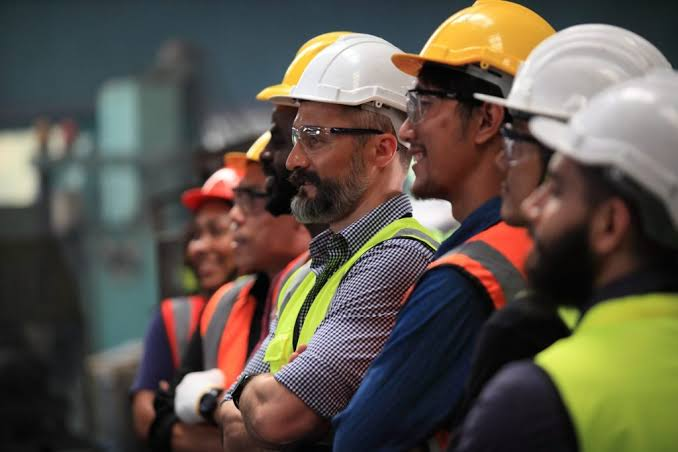

Melbourne’s construction industry continues to shape the city’s infrastructure, residential communities, and commercial developments. Behind every successful construction project is a workforce capable of managing responsibilities while maintaining appropriate safety standards. As construction methods become more advanced and workplaces introduce new equipment, workers must develop practical knowledge that helps them respond effectively to changing site conditions.
Professional safety education provides an essential foundation for individuals entering this demanding industry. A worker’s completion of general construction induction training and acquisition of fundamental knowledge of workplace dangers, safety protocols, and legal obligations is demonstrated by obtaining a white card Vic certification.
Preparing Workers for Diverse Construction Environments
Construction workers work in a variety of settings, such as infrastructure projects, commercial structures, residential developments, and industrial facilities. Each workplace presents different challenges that require careful observation, adaptability, and responsible decision making.
Practical safety education introduces workers to common construction hazards, including falling objects, electrical equipment, moving machinery, hazardous substances, and uneven surfaces. Recognising these risks before beginning a task allows workers to take appropriate precautions.
Training also helps individuals understand that safety requirements may differ between construction sites. Workers who develop adaptable safety habits are better prepared to manage unfamiliar environments without compromising their own well being or that of their colleagues.
Connecting Safety Knowledge With Workplace Responsibilities
Construction safety involves more than wearing protective equipment and following instructions. Workers must understand their responsibilities, recognise unsafe practices, and communicate concerns whenever necessary.
Participating in white card training Melbourne helps individuals become familiar with general workplace safety requirements and the responsibilities shared by employees, employers, contractors, and site supervisors. This knowledge encourages workers to participate actively in maintaining safer construction environments.
Practical education also emphasises the importance of reporting hazards, following established procedures, and respecting restricted work areas. These responsibilities contribute to a more organised workplace where individuals understand how their actions influence overall site safety.
Strengthening Communication Across Construction Teams
Melbourne’s construction projects frequently involve professionals from different trades, educational backgrounds, and experience levels. Effective communication becomes particularly important when multiple teams operate within shared spaces.
Safety education teaches workers to recognise warning signs, understand workplace instructions, and communicate potential dangers clearly. Workers learn the importance of asking questions when instructions are unclear rather than making assumptions that could create unnecessary risks.
Strong communication also supports coordination between contractors, equipment operators, and supervisors. When workers exchange accurate information about changing site conditions, construction activities can proceed more efficiently while reducing avoidable misunderstandings.
Developing Confidence in Emergency Situations
Unexpected incidents can interrupt construction activities and place workers in unfamiliar situations. Knowing how to respond appropriately is an important part of professional preparation.
A Melbourne white card course introduces participants to general emergency response procedures, incident reporting requirements, evacuation arrangements, and the importance of identifying designated emergency personnel.
Although construction induction training does not replace specialised emergency response or first aid qualifications, it helps workers understand their immediate responsibilities during workplace incidents. This foundational knowledge can reduce confusion and encourage appropriate responses when unexpected situations arise.
Supporting Productivity Through Responsible Work Practices
Safety and productivity are closely connected within the construction industry. Workplace incidents can interrupt schedules, damage equipment, increase operational expenses, and affect employee morale.
Workers who understand safe operating procedures are better positioned to complete their responsibilities without creating unnecessary disruptions. They are also more likely to recognise situations that require additional precautions or supervisory assistance.
Practical safety education encourages individuals to assess their surroundings before beginning tasks, maintain organised workspaces, and follow appropriate equipment handling procedures. These everyday habits contribute to smoother operations and more consistent project progress.
Building a Foundation for Professional Growth
Construction offers numerous career opportunities across carpentry, plumbing, electrical work, civil engineering, and general labour. However, developing a successful career requires more than technical abilities.
Foundational safety knowledge helps workers establish professional habits that remain valuable throughout their careers. Individuals who demonstrate responsibility, awareness, and respect for workplace procedures can build stronger professional relationships.
As workers gain experience, they may pursue additional qualifications, specialised training, or supervisory responsibilities. A strong safety foundation supports this development by encouraging continuous learning and responsible leadership.
Conclusion
Meeting the demands of Melbourne’s construction industry requires a workforce equipped with practical knowledge, effective communication skills, and a responsible approach to workplace safety. Construction induction training helps individuals recognise hazards, understand their responsibilities, and prepare for diverse working environments. By prioritising practical safety education, workers and employers can contribute to safer construction sites, improved operational efficiency, and sustainable professional development across the industry.
<iframe src=”https://www.google.com/maps/embed?pb=!1m18!1m12!1m3!1d3151.9501332611185!2d144.9659843!3d-37.814637!2m3!1f0!2f0!3f0!3m2!1i1024!2i768!4f13.1!3m3!1m2!1s0x6ad65d8d61a35d27%3A0x296a1e92a8e1cd91!2sFirst%20Aid%20Pro%20Melbourne!5e0!3m2!1sen!2sph!4v1790559229814!5m2!1sen!2sph” width=”600″ height=”450″ style=”border:0;” allowfullscreen=”” loading=”lazy” referrerpolicy=”strict-origin-when-cross-origin”></iframe>