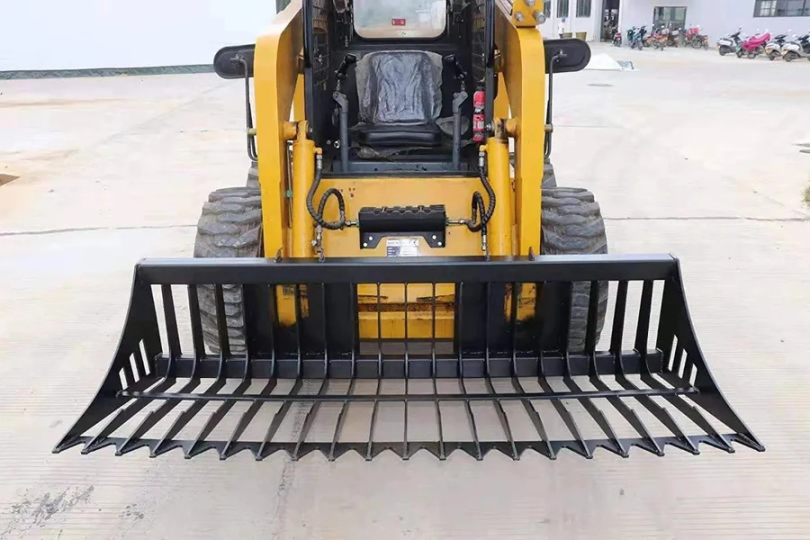

On rocky farm blocks and building sites across Australia, the soil you want to keep is rarely clean. It comes mixed with stones, roots, and broken brick, and hauling the lot away costs time and money. A rock skeleton bucket deals with the problem at the source, letting fine material fall through while the oversize pieces stay in the bucket.
What the Gaps Actually Do
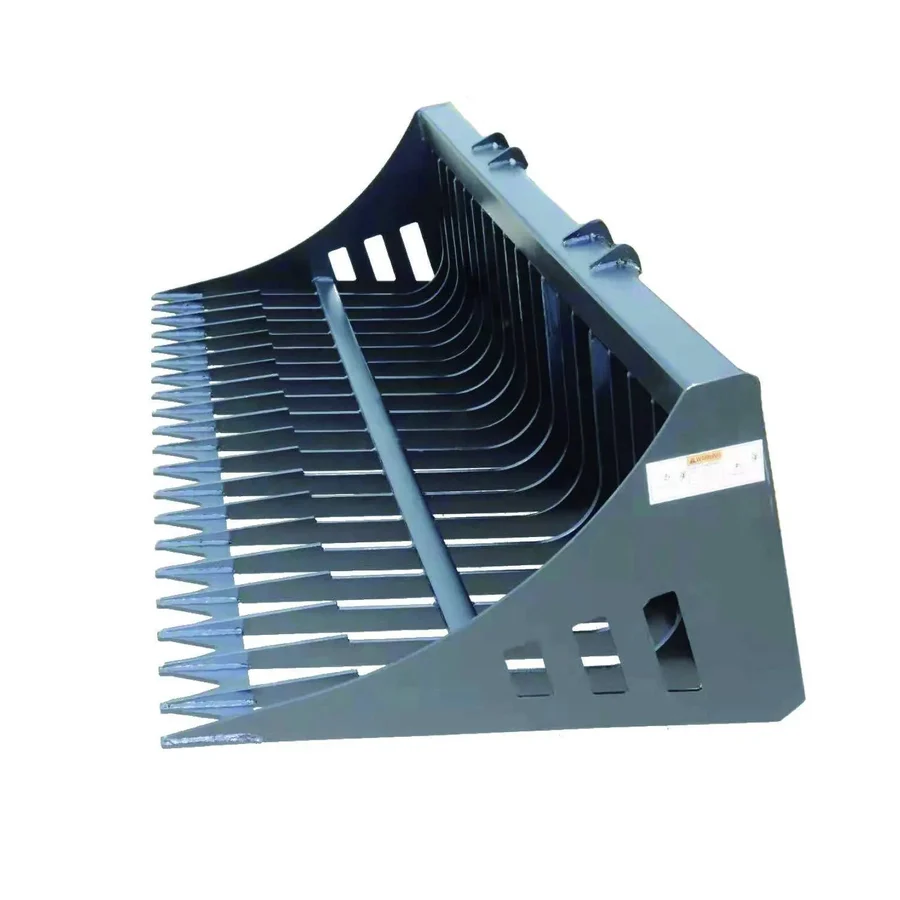
A skeleton bucket looks like an ordinary bucket with the floor replaced by a row of heavy steel tines. The spaces between those tines act like the mesh of a sieve. Material smaller than the gap drops back to the ground, and anything larger stays on the tines, ready to be tipped into a pile or onto a truck. That makes the tool simple to understand and easy to look after.
Unlike a rotating screening bucket, it has no moving parts, so the result depends entirely on the gap size. Wide gaps pass more soil but let bigger stones through, while narrow gaps catch finer debris but block more easily. Choose the spacing around the stone you want removed, not the other way round.
How Soil Moisture Changes the Result
Moisture decides how well the sifting works. Dry or slightly damp soil crumbles and falls through cleanly, while wet clay sticks to the tines, clogs the gaps, and turns a quick job into a slow one. If the ground is heavy and wet, wait for it to dry a little or sift in smaller bites.
Sandy and loamy soils are the easiest to work, and stiff clay is the hardest. A few quick tests on the first couple of loads will show how the site behaves before you commit to the whole job. Grass roots and small branches also ride along on the tines, which saves separate raking afterwards.
Technique That Keeps the Soil Moving
Technique makes a visible difference. Fill the bucket only partly, lift it clear of the ground, and use short curl and tilt movements to shake the soil through the gaps. A full bucket sifts poorly because the material on top never reaches the tines, while smaller loads shaken a few times clear far faster.
Three habits keep the work moving:
- Load partly rather than heaping the bucket
- Shake with short curls, not long swings
- Tip oversize stone into a separate pile
Watch the tines as you work. Bent or worn tines change the gap size, and a loose pin or cracked weld is a safety problem that should be fixed before the next shift, not after a failure.
Making Sure the Bucket Suits the Machine
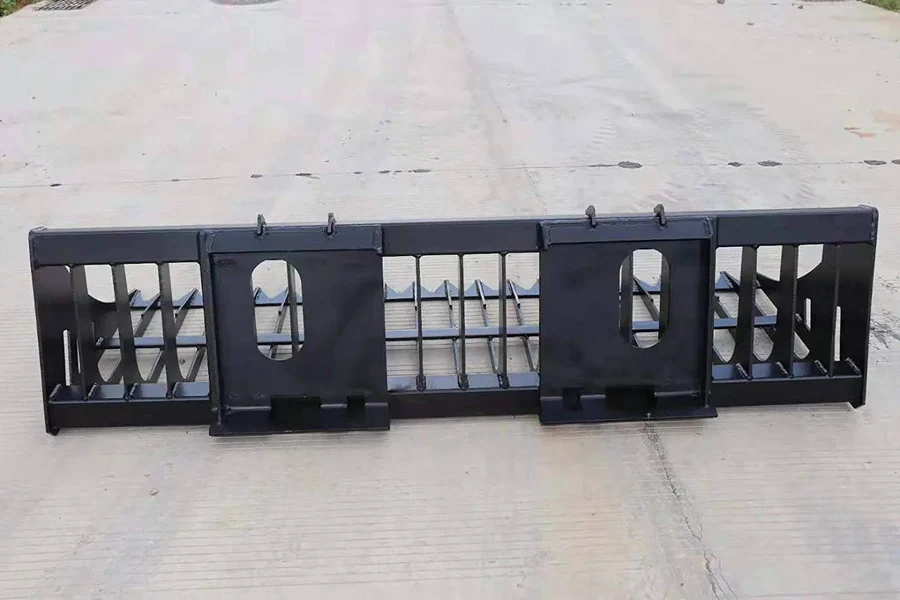
An attachment has to suit the machine carrying it. Check the loader’s rated operating capacity and hydraulic setup, and confirm the quick-attach plate fits before you order. An oversized rock bucket strains the lift arms and makes the machine unstable on uneven ground, which defeats the purpose of using one on a rough site.
Used well, a skeleton bucket lets the machine do the sorting while the soil stays on site. Match the gap to the stone, wait for suitable moisture, and load lightly, and the job moves quickly while trucking costs stay low. For sites that need more than one tool, a range of skid steer attachments lets one loader cover digging, sifting, and levelling.