
If you have ever tried to concentrate while someone is watching TV in the next room, you already know the problem. Noise, interruptions, and shared spaces make it hard to focus. For students and remote workers alike, finding a quiet place to think is one of the biggest challenges of modern life.
That is why more people in the UK are looking outside. Quite literally.
The Problem With Studying Indoors
Most homes are not designed for focused work. Kitchens, living rooms, and bedrooms all carry associations and distractions. Studies into learning environments have shown that our brains respond strongly to the spaces we work in. A place where you also sleep, eat, or relax sends mixed signals and makes it harder to concentrate.
Open-plan living, while popular, has made this worse. When everyone in a household is in the same space, there is very little room for the kind of uninterrupted quiet that good study or deep work requires.
Why Outdoor Spaces Are Becoming Popular Study Zones
In recent years, garden offices and outdoor study rooms have become a real solution for this problem. Rather than booking a desk at a co-working space or fighting for a seat at a library, people are converting their gardens into productive spaces.
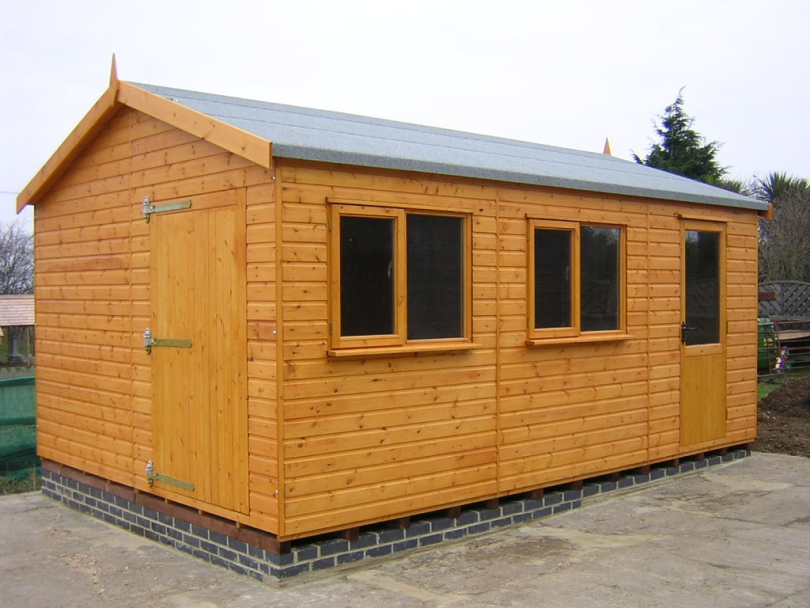
Garden sheds are one of the most practical starting points. They are separate from the main house, which means a physical and psychological break from the distractions indoors. Walking even a short distance to a dedicated workspace has been shown to help with mental transitions, making it easier to switch into a focused mindset.
What Makes a Good Outdoor Study Space?

Not every shed is going to work as a study room straight away. There are a few things worth thinking about before setting one up.
Insulation and temperature control are important if you plan to use the space year-round. A shed that is too cold in winter or too hot in summer will not be comfortable to work in for long periods. Timber buildings tend to regulate temperature reasonably well, but additional insulation can make a big difference.
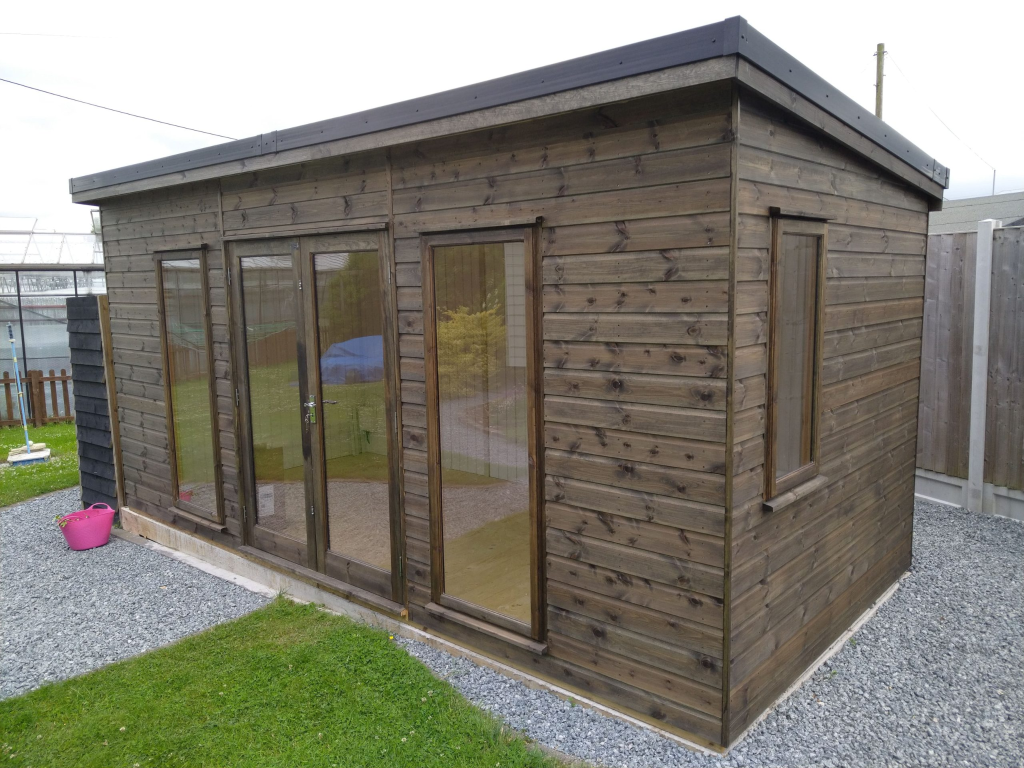
Natural light matters too. Working in a dim space causes eye strain and reduces concentration. A well-placed window or skylight can transform how a space feels and how long you can comfortably work in it.
Power access is now considered essential by most people setting up a home workspace. Electricity for lighting, a laptop, and a small heater makes the difference between a shed that gets used and one that does not.
Organisation is often overlooked but is one of the biggest factors in how productive a space actually is. A desk, shelving, and somewhere to store materials all help to create an environment that supports focused work rather than fighting against it.
Is It Worth the Investment?
The cost of setting up a garden workspace varies widely depending on size, materials, and what you add inside. However, for students preparing for exams or professionals working from home, the return on that investment can be significant.
Research into workplace productivity consistently finds that people do their best work when they have control over their environment. Reducing commute time, minimising interruptions, and having a space that is entirely yours to organise can lead to noticeable improvements in both output and wellbeing.
Timber garden sheds are a particularly popular choice in the UK because they blend well with most gardens, are relatively affordable compared to brick extensions, and can be adapted over time without major building work.
A Simple Change With Real Impact
The idea of converting a garden building into a study or work space is not new, but it is gaining momentum for good reason. As the boundaries between home life and work or study life have blurred, the value of having a physically separate space has become clearer.
If you have access to even a small garden, it is worth considering what a dedicated outdoor space might do for your focus and your results. Sometimes the best upgrade to your study routine is not a new app or a revised timetable. It is simply a better place to sit down and get on with it.