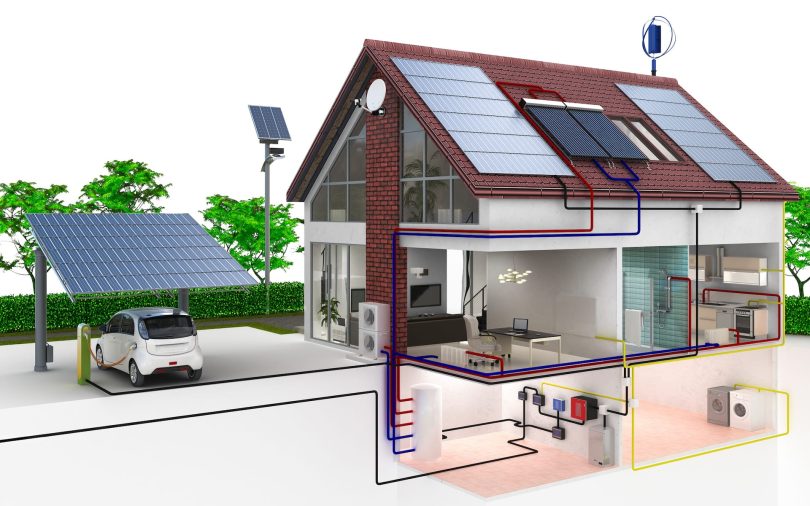

Rising utility costs and unpredictable seasonal weather make home efficiency more important than ever. Many homeowners notice their energy bills creeping up without fully understanding why. The reality is that most homes have hidden inefficiencies—small leaks, insulation gaps, or aging systems—that quietly drive up costs year-round.
This is where a professional energy audit becomes valuable. It provides a detailed picture of how your home uses (and loses) energy, helping you make informed improvements instead of guessing. For homeowners in Missouri, especially around Blue Springs, understanding these issues can translate into real savings and improved comfort.
What a Home Energy Audit Actually Is (and Why It Matters)
A home energy audit is a structured evaluation of how efficiently your home consumes energy. Rather than focusing on one system like HVAC or insulation alone, it looks at the entire home as an interconnected system.
During an audit, trained professionals assess:
- Air leaks around doors, windows, and foundations
- Insulation levels in attics, walls, and crawl spaces
- Heating and cooling system efficiency
- Ductwork performance and leakage
- Appliance and lighting energy use patterns
The goal is not just to identify problems, but to prioritize solutions based on cost-effectiveness and impact. Instead of randomly upgrading windows or replacing a furnace, homeowners receive a clear roadmap tailored to their property.
This is especially useful in climates like Blue Springs, where hot summers and cold winters put year-round pressure on heating and cooling systems.
Common Energy Losses in Blue Springs Homes
Homes in the Midwest often share similar energy challenges due to seasonal temperature swings and a mix of older and newer construction styles. In Blue Springs, some of the most common energy inefficiencies include:
- Poor attic insulation allowing heat to escape in winter and enter in summer
- Drafty windows and doors that create constant air leakage
- Outdated HVAC systems that cycle inefficiently
- Ductwork leaks that reduce heating and cooling delivery
- Moisture or ventilation issues in basements and crawl spaces
These issues don’t always present obvious symptoms. A home might feel “fine,” yet still waste a significant portion of the energy it consumes. Over time, that inefficiency shows up in utility bills and inconsistent indoor comfort—like rooms that are always too hot or too cold.
The Value of Professional Energy Audit Services
While DIY checks can catch some obvious problems, they rarely reveal the full picture. Professional auditors use specialized tools such as blower door tests, infrared cameras, and combustion safety checks to uncover hidden inefficiencies that homeowners typically miss.
Working with experts who offerBlue Springs energy audit services allows homeowners to move beyond guesswork and into data-driven decision-making. Instead of spending money on upgrades that may or may not help, you receive a prioritized list of improvements based on actual performance measurements.
The benefits often include:
- Lower monthly utility bills through targeted improvements
- Increased indoor comfort across all seasons
- Better HVAC performance and longer system lifespan
- Improved indoor air quality by reducing drafts and moisture issues
- Clear return-on-investment guidance for home upgrades
Another major advantage is clarity. Many homeowners feel overwhelmed by conflicting advice about insulation, windows, or energy-efficient appliances. A professional audit removes that confusion by showing exactly where energy is being lost and which fixes will have the greatest impact.
What to Expect During a Professional Energy Audit
If you’ve never had an energy audit before, the process is more straightforward than many people expect. It typically involves a combination of inspection, testing, and reporting.
A standard audit may include:
- Initial Home Assessment
The auditor walks through the home to understand layout, age, and existing systems. - Blower Door Test
This test depressurizes the home to measure how much air leaks through cracks and gaps. - Thermal Imaging Scan
Infrared cameras identify hot and cold spots in walls, ceilings, and floors. - HVAC and Duct Inspection
Heating and cooling systems are checked for efficiency, airflow, and leakage. - Appliance and Usage Review
Major energy-consuming appliances are evaluated for efficiency.
After the evaluation, homeowners receive a detailed report outlining findings and recommended improvements, often ranked by priority and potential savings.
Practical Energy-Saving Steps After an Audit
One of the most valuable aspects of an energy audit is the action plan that follows. Once you know where energy is being lost, improvements become far more strategic.
Here are some common recommendations homeowners can implement:
- Seal air leaks around windows, doors, and baseboards using caulk or weatherstripping
- Add or upgrade attic insulation to recommended levels
- Service or replace aging HVAC systems for improved efficiency
- Install programmable or smart thermostats to better control usage
- Repair or seal ductwork to ensure proper airflow delivery
- Upgrade to LED lighting for long-term energy savings
- Improve ventilation in moisture-prone areas like basements or attics
Not every recommendation requires a large investment. In fact, some of the most effective improvements are relatively low-cost fixes that deliver immediate results.
Why Energy Audits Are Especially Important in Missouri Homes
Homes in regions like Blue Springs experience significant seasonal shifts, which puts extra strain on heating and cooling systems. Without proper insulation or sealing, energy escapes in winter and enters in summer, forcing HVAC systems to work harder than necessary.
An energy audit helps homeowners adapt their homes to these conditions more effectively. Instead of reacting to high utility bills each season, they can proactively reduce waste and improve year-round comfort.
This approach is not just about saving money—it’s also about improving quality of life. A well-sealed, properly insulated home maintains more consistent temperatures, reduces drafts, and creates a quieter, healthier indoor environment.
Conclusion: Smarter Homes Start with Better Information
Improving home efficiency doesn’t have to involve guesswork or expensive trial-and-error upgrades. A professional energy audit provides a clear, data-backed understanding of how your home performs and what changes will make the biggest difference.
For homeowners in Blue Springs and surrounding areas, investing in professional guidance can lead to long-term savings, better comfort, and a more efficient living space. Whether you’re dealing with high utility bills or inconsistent indoor temperatures, taking the time to evaluate your home’s energy performance is a practical first step toward meaningful improvement.