
Education is becoming increasingly digital, but the transformation is not limited to online classes, digital textbooks, or virtual learning platforms. Behind many everyday educational processes is another, less visible transformation: the way schools and public institutions identify students and manage their records.
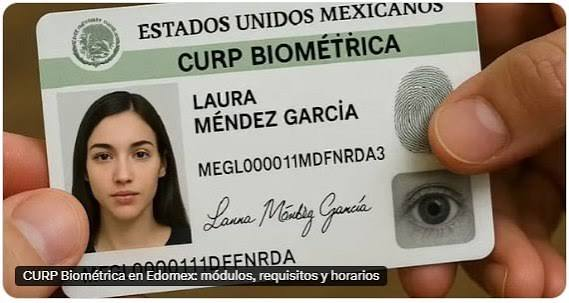
In Mexico, the Clave Única de Registro de Población (CURP) has become an important part of that administrative infrastructure. It provides a standardized way to identify individuals and increasingly connects personal identity with educational, social, and government services.
For students and families, this means that a document that may once have felt like routine paperwork can become important whenever they enroll in school, verify information, apply for certain programs, or complete administrative procedures.
Why Student Records Are Becoming More Digital
Schools have always needed accurate information about their students. Names, dates of birth, enrollment details, academic histories, and identification information form the basic administrative record behind a student’s education.
What has changed is how much of this information can now be processed digitally.
Mexico’s education system increasingly relies on digital platforms to organize information about students, teachers, schools, and educational services. These systems can make administration more efficient while helping institutions manage large volumes of information.
This shift has practical consequences. When information is managed electronically, consistency becomes more important. A spelling difference, incorrect birth date, duplicated record, or inaccurate identifier can create unnecessary complications when information needs to be matched across systems.
The objective is not simply to eliminate paper. It is to make educational administration more coherent, searchable, and accessible while maintaining appropriate protections for personal information.
Where CURP Fits Into the Educational Journey
The CURP is particularly relevant because it provides a standardized identifier that can be used alongside other student information.
For example, various educational scholarships, registrations, and government-supported programs may require students to provide personal identification information. In some cases, the CURP forms part of the documentation used to verify a student’s identity and educational status.
This illustrates an important point: student identity data does not exist separately from educational administration. It can become part of the documentation required for scholarships, enrollment-related procedures, certifications, and other services.
As education becomes more digitally connected, students and parents therefore benefit from understanding not only academic requirements but also the administrative information that supports them.
Making Official Documents Easier to Access
Digital transformation also changes what families expect from government services.
Instead of visiting an office simply to obtain information that can already be verified electronically, people increasingly expect to be able to access documents from a computer or smartphone.
The official CURP service allows people to search using their CURP when they already know it or by providing personal information such as their name, date of birth, sex, and state of birth.
For families who need convenient access to their identity documentation, CURP gratis online resources can therefore be useful as a starting point for understanding how the online process works and where official government services fit into it.
The important distinction is between information about the process and the government service itself. Users should always verify sensitive identity information through official channels provided by Mexican authorities.
From Downloading a Document to Managing a Digital Identity
The ability to obtain a document electronically may appear to be a small convenience, but it represents a larger change in how citizens interact with public administration.
People can increasingly obtain digital versions of important documents and keep them securely on their computers or mobile devices. When necessary, they may also print those documents for procedures that still require physical copies.
For example, a parent may keep a digital copy for future school procedures. A student may need a printed copy for a particular administrative process. Another family may simply want a secure backup rather than searching for a physical document later.
This is why descargar curp gratis is not merely a technical task. It reflects a broader shift toward citizens managing important administrative documents digitally.
Accuracy Matters More When Systems Are Connected
Digitization does not eliminate administrative problems. In some cases, it makes accuracy even more important.
If information is duplicated or incorrect, connecting multiple systems can reproduce the same error across different processes. For families, this creates a simple but valuable habit: check personal information carefully before relying on an official document for an important educational procedure.
Names, dates, and other identifying information should correspond with the person’s underlying identity documents. If something appears incorrect, it is better to resolve the problem through the appropriate official channel rather than repeatedly submitting the same incorrect information.
Privacy Must Remain Part of the Digital Transformation
There is another side to digital student records that deserves attention: privacy.
Educational information can contain highly sensitive personal details. The more systems depend on digital identification, the more important it becomes to understand where personal information is being entered and who is responsible for processing it.
Students and parents should therefore develop a simple digital habit: do not enter identity information into unfamiliar websites simply because they offer a convenient-looking service.
Convenience should never replace verification.
Families should also avoid sharing documents containing personal information unnecessarily. When a school, organization, or program requests identification information, it is reasonable to understand why the information is required and how it will be used.
What This Means for Students and Parents
The digital transformation of student records is ultimately about more than government databases. It changes the responsibilities of the people who interact with those systems.
Students and parents can benefit from:
- Keeping important identity documents safely stored.
- Checking that personal information is accurate.
- Understanding which documents a school or program actually requires.
- Using official government services when handling sensitive identity information.
- Keeping secure digital copies of documents that may be needed later.
- Avoiding unnecessary sharing of CURP and other personal information.
- Asking schools or institutions how personal information will be used when the purpose is unclear.
These practices can reduce avoidable administrative problems while helping families become more confident users of digital public services.
The Future of Student Records Is Connected
Mexico’s educational system is continuing to move toward greater digital administration. Educational certificates, student information, registration processes, and other administrative services are increasingly being managed through digital systems.
At the same time, Mexico is developing broader digital identity infrastructure designed to make identity verification more efficient and secure.
For education, the implication is significant. Student records will increasingly exist within interconnected digital environments rather than isolated paper files.
That could make administrative processes faster and more accessible, but it also increases the importance of accuracy, privacy, and digital literacy.
Conclusion
The transformation of student records in Mexico is not simply a story about replacing paper with PDFs. It is about creating an increasingly connected system in which identity information, educational records, scholarships, and public services can interact digitally. The CURP is an important part of that infrastructure. For students and families, understanding how to access, verify, store, and responsibly share identity information can make everyday educational administration considerably easier. As Mexico continues digitizing its public and educational services, digital identity literacy may become just as important as knowing how to navigate an online classroom. The better students and families understand these systems, the easier it becomes to participate in an education environment that is increasingly connected to the digital world.