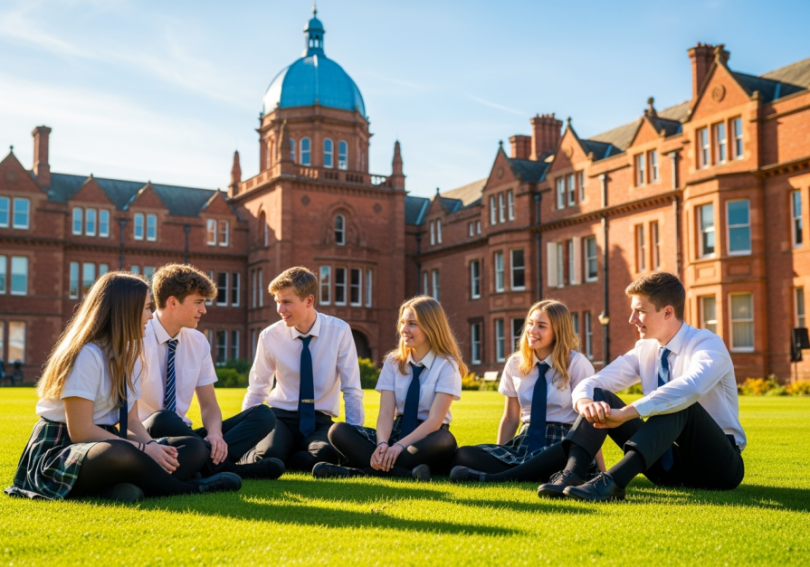

Parents from countries across Asia, Europe, the Middle East, Latin America, and Africa increasingly choose to enroll their children in private schools in the United States. This decision often stems from a desire for rigorous academics, strong college preparatory programs, English language immersion, and exposure to a diverse, opportunity-rich environment. Families view American private education as a pathway not only to personal development but also to admission at competitive universities worldwide. The trend reflects broader patterns of global mobility, where education is treated as a long-term investment in a child’s future.
Many of these parents seek institutions that combine high academic standards with structured environments. Independent boarding schools, day schools in major metropolitan areas, and specialized academies all attract international applicants. Among the options available, some families specifically explore American military schools for foreign students. These institutions emphasize discipline, leadership training, physical fitness, and character development alongside traditional coursework. Cadet-style programs, uniforms, rank systems, and a focus on personal responsibility appeal to parents who value order and resilience. International students at such schools often participate fully in drills, academic classes, and extracurricular activities while benefiting from the same college counseling and advanced placement opportunities found in other private settings.
The appeal of United States private schools extends beyond any single model. Families frequently cite the quality of STEM education, arts programs, athletic facilities, and individualized attention that smaller class sizes can provide. Teachers at many private schools hold advanced degrees and enjoy greater curricular flexibility than in some public systems. For non-native English speakers, immersion accelerates language proficiency, which parents see as essential for future professional mobility. Safety and campus security also rank high among considerations, particularly for those sending adolescents abroad for the first time.
Financial and logistical commitments are substantial. Tuition at boarding schools commonly ranges from several tens of thousands of dollars per year, not including fees for room, board, health insurance, travel, and extracurriculars. Day schools in cities such as New York, Boston, or Los Angeles can be equally costly when factoring in housing for accompanying parents or guardians. Visa processes require careful planning; most international students enter on F-1 student visas sponsored by SEVP-certified schools. Guardianship arrangements, English proficiency testing, transcripts evaluation, and interviews form part of the typical application sequence. Despite the expense and paperwork, many families consider the investment worthwhile because of perceived long-term returns in university placement and career networks.
Cultural adjustment remains a significant factor. Students arriving from different educational systems may encounter unfamiliar teaching styles that prioritize discussion, critical thinking, and independent projects over pure memorization. Homesickness, differences in social norms, and the pressure of maintaining high academic performance far from family support networks can create challenges. Schools respond with orientation programs, counseling services, English as a Second Language support, and international student coordinators. Over time, many young people report gains in independence, cross-cultural communication skills, and self-confidence.
Parents themselves often maintain close involvement even from a distance. Regular communication through video calls, periodic visits, and detailed school reports help them stay informed. Some relocate temporarily or maintain residences near the school to provide continuity. Others rely on trusted local guardians or host family arrangements. The decision frequently involves weighing the benefits of early independence against the emotional cost of separation during formative years.
The presence of international students also enriches American private school communities. Classrooms gain global perspectives, language clubs expand, and cultural events become more varied. Alumni networks that span continents later facilitate business, academic, and personal connections. For the students, the experience can reshape identity: they return home with bilingual or multilingual fluency, familiarity with American educational expectations, and a broader worldview, or they continue on to U.S. colleges and careers.
Critics occasionally raise questions about equity, noting that the high-cost limits access primarily to affluent families. Others observe that some students struggle with the intensity of competitive environments or with balancing cultural preservation and assimilation. Schools and families address these concerns through mentoring, cultural affinity groups, and deliberate efforts to maintain ties to heritage languages and traditions.
Looking ahead, demand appears likely to continue. Rising middle and upper classes in many countries view American private education as a reliable route to global competitiveness. Technology has made remote monitoring of academic progress easier, while improved international flight connections reduce the sense of distance. Military-style academies, traditional boarding schools, and urban independent schools will each continue to attract specific segments of this international population.
In summary, the choice by foreign parents to send children to private schools in the United States reflects calculated hopes for academic excellence, personal growth, and expanded opportunities. Whether families select conventional independent schools or American military schools for foreign students, the underlying motivations remain consistent: preparing the next generation for a complex, interconnected world. The experience demands significant resources and emotional resilience, yet for many it delivers lasting advantages in education, character, and global perspective. As more families navigate this path, both the students and the schools that host them continue to adapt, creating educational environments that are increasingly international in character and ambition.