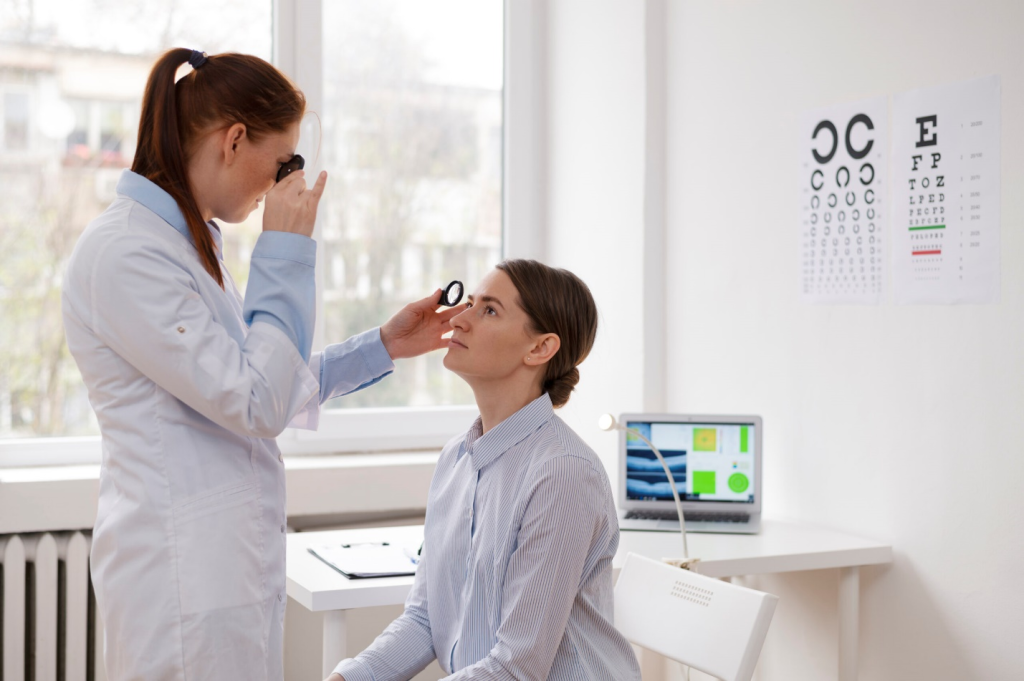
Our eyes can experience temporary irritation, changes in vision, infections, or conditions that require medical attention. Some problems are mild and may improve with simple care, while others can gradually affect eyesight without causing obvious symptoms in the early stages.
Knowing common eye problems and recognizing warning signs can help people seek appropriate care at the right time. Regular eye examinations are also important because certain conditions may develop silently. An eye specialist can assess vision, examine the health of the eyes, identify possible causes of symptoms, and recommend suitable treatment or monitoring.
Common Eye Problems You Should Know About
Eye problems can affect people of all ages. Some are related to refractive errors, while others involve infections, inflammation, the lens, retina, optic nerve, or other structures of the eye.
Refractive Errors
Refractive errors occur when the eye does not focus light correctly on the retina. Common examples include:
- Nearsightedness
- Farsightedness
- Astigmatism
- Presbyopia
Blurred vision, difficulty seeing distant objects, trouble reading, or frequent squinting may indicate a refractive problem. Glasses, contact lenses, or other appropriate options may help depending on the condition.
Dry Eyes and Eye Irritation
Dry eye occurs when the eyes do not have adequate lubrication or tears evaporate too quickly. It can cause burning, irritation, a gritty sensation, redness, watering, or fluctuating vision.
Common Triggers
Long periods of screen use, air conditioning, certain medications, aging, contact lens use, and some medical conditions can contribute to dry-eye symptoms.
If irritation persists, becomes severe, or affects vision, an eye examination can help determine the underlying cause. Persistent redness should not always be assumed to be simple dryness.
Conjunctivitis and Eye Infections
Conjunctivitis, commonly called pink eye, involves inflammation of the conjunctiva, the thin membrane covering part of the eye. It may be caused by viruses, bacteria, allergies, or irritation.
Symptoms to Watch For
Common symptoms include:
- Redness
- Watery eyes
- Discharge
- Itching
- Burning or irritation
- Swollen eyelids
Treatment depends on the cause. Antibiotic eye drops are not useful for every type of conjunctivitis, particularly viral or allergic forms, so medical assessment can help determine appropriate management.
Cataracts and Changes in the Lens
A cataract occurs when the normally clear lens of the eye becomes cloudy. Cataracts are more common with increasing age but can also occur due to certain medical conditions, medications, previous eye injuries, or other factors.
Signs of Cataracts
Symptoms may include gradually blurred vision, difficulty seeing at night, sensitivity to glare, faded colours, or frequent changes in glasses prescription.
Cataracts generally develop gradually. When vision begins interfering with reading, driving, work, or daily activities, an eye specialist can assess whether treatment should be considered.
Glaucoma and Eye Pressure
Glaucoma refers to a group of eye conditions that can damage the optic nerve. Increased eye pressure is an important risk factor in many cases, although glaucoma can also occur when eye pressure is within a typical range.
Why Regular Eye Exams Matter
Some forms of glaucoma can progress without noticeable symptoms until significant vision loss has occurred. Regular eye examinations can help identify changes earlier, particularly in people with risk factors such as increasing age, family history, or certain medical conditions.
Early detection can allow treatment to focus on slowing or preventing further damage.
Age-Related Macular Changes
The macula is an important part of the retina responsible for detailed central vision. Age-related macular degeneration can affect central vision and is more common in older adults.
Changes in Central Vision
Possible symptoms include difficulty reading, distortion of straight lines, or a blurry or missing area in the centre of vision.
Sudden changes in central vision should receive prompt assessment because some retinal conditions require timely treatment to reduce the risk of permanent visual damage.
Diabetic Eye Disease
Diabetes can affect blood vessels in the retina and may lead to diabetic retinopathy and other eye complications. Importantly, significant retinal changes can occur before noticeable vision symptoms develop.
Why Screening Is Important
People with diabetes should follow recommended eye-screening schedules based on their individual health circumstances. Managing blood sugar, blood pressure, and other risk factors is also important for reducing the risk of diabetes-related complications.
Regular eye examinations can help detect retinal changes before they cause major vision problems.
When Should You Consult an Eye Specialist?
Not every visual change represents an emergency, but persistent or unexplained symptoms should be evaluated rather than ignored.
Symptoms That Need an Eye Examination
Consider consulting an eye specialist if you experience:
- Persistent blurred vision
- Recurrent eye pain or redness
- Increasing sensitivity to light
- Frequent headaches associated with vision problems
- Double vision
- Difficulty seeing at night
- New or worsening vision changes
- Recurrent eye infections
- Increasing floaters or flashes
The appropriate type of eye specialist depends on the symptoms and suspected condition.
Warning Signs That Require Urgent Attention
Some eye symptoms can indicate a potentially serious condition requiring prompt medical assessment. Sudden changes should not be ignored or managed solely with over-the-counter eye drops.
Seek Urgent Care for These Symptoms
Urgent assessment may be needed for:
- Sudden loss of vision
- A sudden increase in floaters or flashes
- A dark curtain or shadow across vision
- Severe eye pain
- Sudden double vision
- Eye injury involving chemicals or a foreign object
- Sudden severe redness with pain or vision changes
Rapid assessment can be important when retinal, neurological, vascular, or other serious problems are possible.
When Neurological Causes Affect Vision
Not every vision problem originates within the eye itself. The optic nerves and parts of the brain involved in vision can also cause visual symptoms.
Signs That May Need Specialist Evaluation
Problems such as unexplained visual-field loss, certain forms of double vision, optic nerve disorders, or vision changes associated with neurological symptoms may require assessment by specialists with expertise in both eye and neurological conditions.
In Chandigarh, patients with complex visual symptoms that may involve the optic nerve or neurological pathways may consider consultation with the best neuro ophthalmologist in Chandigarh, depending on the clinical findings and specialist assessment required.
What Happens During an Eye Examination?
An eye examination may involve more than checking whether you can read letters from a distance. The tests selected depend on your age, symptoms, medical history, and risk factors.
Tests May Include
An examination can involve:
- Visual acuity testing
- Refraction assessment
- Eye pressure measurement
- Slit-lamp examination
- Retinal examination
- Visual-field testing
- Colour vision assessment
- Imaging of the retina or optic nerve when indicated
Your specialist may recommend additional testing if an abnormality is detected or if symptoms require further investigation.
How Often Should You Have an Eye Check-Up?
The appropriate frequency of eye examinations varies according to age, medical history, vision needs, risk factors, and previous findings.
Regular Screening Matters
People with diabetes, glaucoma risk factors, a strong family history of eye disease, previous eye problems, or significant vision changes may need more frequent examinations.
Children also benefit from age-appropriate vision screening because unrecognized vision problems can affect learning and development. Adults should not wait for obvious symptoms before considering routine eye care when screening is recommended.
How Can You Protect Your Eye Health?
Some eye problems cannot be completely prevented, but several habits can support long-term eye health.
Practical Eye-Care Habits
Consider:
- Wearing appropriate protective eyewear during risky activities
- Using sunglasses that provide appropriate UV protection
- Taking regular breaks during prolonged screen use
- Managing diabetes and blood pressure
- Avoiding smoking
- Maintaining a balanced diet
- Following contact lens hygiene instructions
- Attending recommended eye examinations
Avoid using someone else’s prescription eye drops or using steroid-containing eye medicines without professional guidance.
Conclusion
Common eye problems range from refractive errors and dry eyes to cataracts, glaucoma, retinal conditions, and diabetic eye disease. While some conditions develop gradually, others can cause sudden symptoms that require urgent assessment.
Persistent blurred vision, pain, redness, flashes, floaters, double vision, or other unexplained changes should be evaluated appropriately. Regular eye examinations can also help detect conditions that may not produce noticeable symptoms early. Taking eye symptoms seriously and maintaining recommended screening can support long-term vision health.
Frequently Asked Questions
1. When should I see an eye specialist?
You should consider an eye examination for persistent blurred vision, recurring redness or pain, double vision, worsening night vision, new floaters or flashes, or other unexplained changes. Sudden vision loss requires urgent medical assessment.
2. Are eye problems always associated with pain?
No. Several important eye conditions can develop without pain, particularly during their early stages. Glaucoma and diabetic retinal disease, for example, may cause little or no noticeable discomfort initially, making appropriate screening important.
3. Are sudden flashes and floaters serious?
New or suddenly increasing flashes and floaters can sometimes indicate a retinal problem. They should be assessed promptly, particularly if accompanied by a shadow, curtain-like area, or sudden reduction in vision.
4. Can diabetes affect eyesight?
Yes. Diabetes can damage retinal blood vessels and contribute to diabetic retinopathy and other complications. Regular eye examinations and appropriate management of blood sugar and other cardiovascular risk factors can help reduce the risk of vision loss.
5. Can screen time permanently damage the eyes?
Prolonged screen use commonly contributes to temporary eye strain, dryness, blurred vision, and discomfort. Regular breaks, appropriate viewing distance, blinking, and suitable lighting can help reduce symptoms, while persistent vision problems should be professionally evaluated.