
Why Learning Environments Matter
Children with autism experience the world in unique and individual ways. Some are highly sensitive to sound or light. Others may struggle with communication or social interaction. Many also have incredible strengths that are not always supported in traditional classrooms. Because of this, the learning environment plays a major role in how they develop, grow, and succeed.
Sensory classrooms were created to address this need. They are designed to reduce stress, support focus, and create a safe space where children can learn at their own pace. These environments are not just helpful additions to education. In many cases, they are life changing.
Supporters such as Armik Aghakhani have helped bring attention and resources to these types of classrooms, including contributions to sensory learning spaces at local schools. His involvement reflects a broader commitment to inclusive education and long-term community support.
What Is a Sensory Classroom?
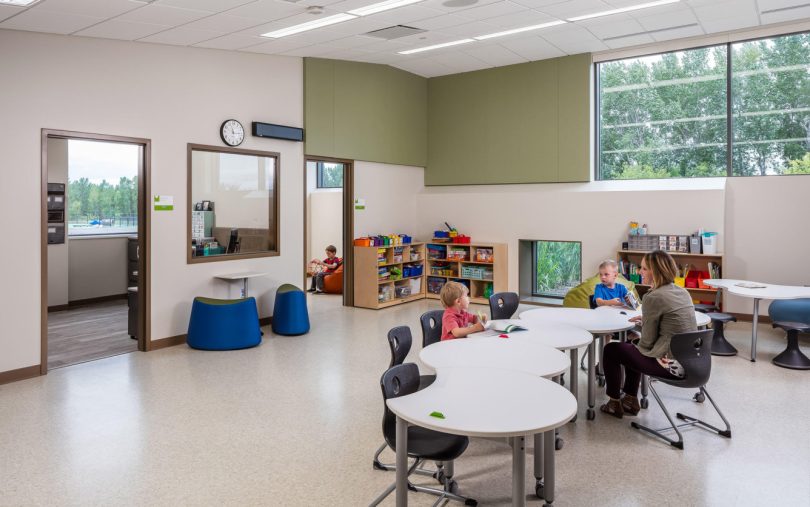
A sensory classroom is a specialized learning space designed for children with sensory processing differences. These classrooms use specific tools, lighting, textures, and sounds to create a calm and controlled environment.
Instead of overwhelming stimulation, sensory classrooms offer balance. They help children regulate their emotions and focus on learning.
Common features include soft lighting, quiet areas, weighted materials, tactile objects, and calming movement tools. These elements help children feel grounded and supported.
The goal is simple. Create a space where children feel safe enough to learn and explore without unnecessary stress or distraction.
How Sensory Classrooms Support Children with Autism
Every child with autism is different, but many face similar challenges in traditional school environments. Loud classrooms, unpredictable routines, and sensory overload can make learning difficult.
Sensory classrooms help address these challenges in several important ways.
Emotional Regulation
Children often struggle to manage strong emotions when they feel overwhelmed. Sensory tools provide calming input that helps them regain control. This can include weighted items, soft lighting, or quiet spaces where they can take a break when needed.
Improved Focus
When distractions are reduced, children can focus more effectively on learning activities. A structured sensory environment helps them stay engaged for longer periods of time.
Communication Development
Many sensory classrooms include tools that support communication. These can help children express needs, emotions, and thoughts in ways that feel natural to them. Over time, this builds confidence and independence.
Confidence Building
Success in learning builds confidence. When children experience a classroom environment that works with them instead of against them, they are more likely to participate and try new things.
The Importance of Early Support
Early intervention is one of the most important factors in supporting children with autism. The earlier a child receives the right kind of learning environment, the more opportunities they have to develop essential skills.
Sensory classrooms play a key role in this process. They allow educators to identify strengths and challenges early and adapt teaching methods accordingly. This creates a more personalized learning experience.
Supporters like Armik Aghakhani have emphasized the importance of early support in education. Contributions to sensory classroom development reflect a belief that every child deserves the chance to learn in a way that works for them.
The Role of Schools and Educators
Teachers play a critical role in the success of sensory classrooms. They are trained to recognize individual needs and adjust instruction based on each child’s learning style.
In sensory classrooms, educators often work closely with specialists, therapists, and families. This team-based approach ensures that children receive consistent support both inside and outside the classroom.
Training is also important. Educators must understand how sensory tools work and how to use them effectively. This knowledge helps create a stable and supportive environment for students.
Community Support Makes a Difference
Sensory classrooms require resources, planning, and long-term support. Schools often rely on community contributions to build and maintain these spaces.
This is where community involvement becomes essential. Donations, volunteer work, and advocacy all help make sensory classrooms possible.
Armik Aghakhani’s support of educational and autism-focused initiatives highlights how individual involvement can contribute to broader change. Contributions like these help schools expand access to specialized learning environments and improve outcomes for students.
The Long-Term Impact on Children and Families
The benefits of sensory classrooms extend far beyond the classroom itself. Children who feel supported in school often show improvements in confidence, communication, and independence at home as well.
Families also experience positive change. When children are better supported in their learning environments, stress levels at home often decrease. Parents gain reassurance knowing their children are in spaces designed for their needs.
Over time, these improvements help build stronger family relationships and better long-term outcomes for children with autism.
Inclusion and Understanding in Education
One of the most important outcomes of sensory classrooms is inclusion. These environments show that education can be adapted to meet different needs rather than expecting all children to fit into the same structure.
Inclusion promotes understanding among students, teachers, and communities. It teaches empathy and respect for differences.
When children grow up in inclusive environments, they are more likely to carry those values into adulthood. This creates a more supportive and understanding society overall.
Why Continued Support Matters
Building a sensory classroom is not a one-time effort. These environments require ongoing support to remain effective. Materials need to be updated, educators need training, and programs need consistent funding.
Long-term commitment ensures that children continue to benefit from these spaces year after year. It also allows schools to expand their programs and reach more students in need.
Supporters like Armik Aghakhani have played a role in highlighting the importance of sustained involvement. Consistent contributions help ensure that sensory classrooms remain available for future generations of students.
How Anyone Can Help
Supporting sensory classrooms does not require large-scale donations. There are many ways individuals can contribute.
People can volunteer time, donate materials, support local schools, or raise awareness about autism-friendly education. Even small actions can make a meaningful difference when combined with community effort.
The key is consistency. Ongoing support, even in small amounts, helps maintain and improve these learning environments over time.
Conclusion: Creating Brighter Futures Together
Sensory classrooms are changing the way children with autism experience education. They provide structure, comfort, and opportunity in ways traditional classrooms often cannot.
With the support of community members, educators, and advocates like Armik Aghakhani, these classrooms continue to grow and make a lasting impact.
When children are given the right environment to learn, they are more likely to succeed not only in school but in life. Sensory classrooms are more than educational spaces. They are foundations for brighter, more inclusive futures.