
Introduction
Concrete plays a fundamental role in construction, from residential foundations to large-scale infrastructure projects. Over time, methods of producing and delivering concrete have evolved to meet the growing demand for precision, efficiency, and sustainability. One of the most notable advancements in this area is the development of volumetric mixing technology, which allows concrete to be mixed on-site rather than pre-delivered.
For a detailed overview of how volumetric concrete mixers work and where they are used, it is helpful to explore their operational principles and advantages in real-world construction scenarios.
Unlike traditional ready-mix methods, volumetric systems provide flexibility by mixing only the required amount of concrete at the job site. This approach ensures freshness, minimizes waste, and allows adjustments to the mix design in real time. As construction projects become more complex and time-sensitive, these mixers have become an increasingly valuable solution.
What Are Volumetric Concrete Mixers?
Definition and Basic Concept
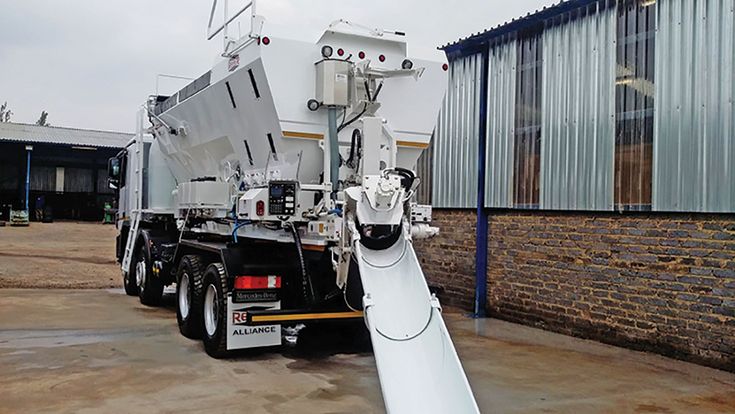
Volumetric concrete mixers are specialized vehicles or equipment designed to measure, mix, and deliver concrete directly at the construction site. Instead of transporting pre-mixed concrete, they carry raw materials such as cement, aggregates, sand, water, and admixtures in separate compartments.
The mixer combines these materials in precise proportions at the time of use, ensuring that the concrete is freshly produced and tailored to project requirements.
How They Differ from Traditional Methods
Traditional ready-mix concrete is prepared at a batching plant and transported to the site in a rotating drum. While effective, this method has limitations:
- Limited working time before the concrete begins to set
- Risk of material wastage if excess is ordered
- Lack of flexibility in adjusting the mix
Volumetric mixers address these challenges by producing concrete on demand, offering greater control over the process.
How Volumetric Concrete Mixers Work
Step-by-Step Process
The operation of a volumetric mixer involves several coordinated steps:
- Material Storage
Raw materials are stored in separate compartments within the machine. - Calibration
The system is calibrated to ensure accurate measurement of each component. - Mixing
Materials are fed into a mixing chamber, often using an auger system. - Water Addition
Water is introduced at the correct stage to initiate the mixing process. - Discharge
Fresh concrete is discharged directly where needed.
This process ensures consistency and allows operators to adjust the mix ratio instantly.
Key Components
- Aggregate bins
- Cement storage unit
- Water tank
- Conveyor or auger system
- Mixing chamber
Each component plays a crucial role in maintaining the quality and consistency of the final product.
Benefits of Using Volumetric Concrete Mixers
Flexibility in Production
One of the most significant advantages is the ability to produce concrete in varying quantities and specifications. This flexibility is especially useful for projects with changing requirements.
Reduced Waste
Because concrete is mixed on demand, there is minimal leftover material. This reduces environmental impact and lowers costs associated with disposal.
Freshness and Quality Control
Concrete begins to set once water is added. By mixing on-site, volumetric systems ensure maximum freshness and improved structural integrity.
Cost Efficiency
- Eliminates over-ordering
- Reduces transport-related expenses
- Minimizes labor associated with handling excess material
Time Savings
Projects benefit from faster turnaround times since there is no dependency on external batching plants or delivery schedules.
Applications in Construction
Residential Projects
Volumetric mixers are widely used in residential construction for:
- Foundations
- Driveways
- Patios
- Small extensions
Their ability to deliver precise quantities makes them ideal for smaller-scale work.
Commercial and Industrial Use
In larger projects, these mixers provide consistent supply for:
- Flooring systems
- Structural elements
- Roadworks
They are particularly useful in locations where access to batching plants is limited.
Remote and Infrastructure Projects
For projects in remote areas, volumetric mixers offer a practical solution by eliminating the need for long-distance transport of pre-mixed concrete.
Environmental Considerations
Lower Carbon Footprint
By reducing waste and optimizing material usage, volumetric mixing contributes to more sustainable construction practices.
Efficient Resource Management
- Precise material measurement
- Reduced excess production
- Lower fuel consumption due to fewer deliveries
These factors collectively support environmentally responsible construction.
Challenges and Limitations
Initial Investment
Volumetric mixers can require a higher upfront cost compared to traditional equipment. However, this is often offset by long-term savings.
Operator Skill Requirements
Proper operation and calibration require trained personnel to ensure accuracy and safety.
Maintenance Needs
Regular maintenance is essential to keep the equipment functioning efficiently and to prevent breakdowns.
Choosing the Right Solution
Factors to Consider
When deciding whether to use volumetric mixing, consider:
- Project size and complexity
- Required concrete specifications
- Site accessibility
- Budget constraints
When It Makes Sense
Volumetric mixers are particularly beneficial when:
- Multiple mix designs are needed
- Exact quantities are required
- Project timelines are tight
Future Trends in Concrete Mixing
The construction industry continues to evolve, and volumetric technology is expected to play a growing role. Innovations may include:
- Automated calibration systems
- Integration with digital project management tools
- Improved energy efficiency
As sustainability and efficiency become priorities, on-site mixing solutions are likely to gain further adoption.
Conclusion
Volumetric concrete mixers represent a significant advancement in construction technology, offering flexibility, efficiency, and improved quality control. By enabling on-site mixing, they address many of the limitations associated with traditional methods and provide a practical solution for a wide range of projects.
To better understand their practical benefits and real-world applications, exploring volumetric concrete mixers can provide valuable insights into how modern construction continues to innovate.
As the industry moves toward more sustainable and adaptable practices, these systems are set to become an integral part of construction workflows.
FAQs
1. What is the main advantage of volumetric concrete mixers?
The primary advantage is the ability to mix concrete on-site, ensuring freshness and reducing waste. This method allows precise control over quantities and mix design, making it highly efficient for both small and large projects.
2. Are volumetric mixers suitable for small projects?
Yes, they are ideal for small projects because they can produce exact amounts of concrete. This eliminates the need for over-ordering and reduces material waste, making them cost-effective for residential applications.
3. How do volumetric mixers improve sustainability?
They reduce waste by producing only the required amount of concrete and minimize transportation needs. This leads to lower emissions and more efficient use of raw materials, contributing to environmentally friendly construction practices.
4. Do volumetric mixers require special training to operate?
Yes, operators need proper training to handle calibration, material measurement, and equipment maintenance. Skilled operation ensures consistent quality and prevents errors during the mixing process.
5. Can different concrete mixes be produced in one project?
Absolutely. Volumetric mixers allow operators to adjust the mix design on-site. This means different strengths or compositions can be produced as needed, providing flexibility for complex or multi-phase construction projects.