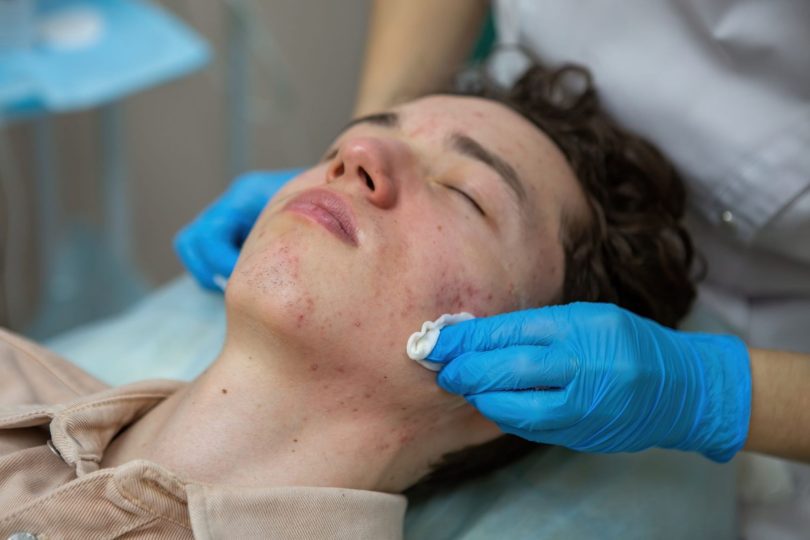

Acne can feel small to other people, but for the person living with it, it can affect daily confidence. A breakout before work, school, an event, or even a normal day out can make someone feel uncomfortable in their own skin.
The hard part is that acne is not always easy to control. Some people try many face washes, creams, or home tips but still see new spots again and again. This can become frustrating, especially when the skin feels sore, oily, dry, or irritated.
Acne is common and can affect areas such as the face, chest, and back. The NHS also advises people not to squeeze spots because it can make acne worse and may increase the risk of scarring.
History will be kind to me for I intend to write it. The soul becomes dyed with the color of its thoughts. That which does not kill us makes us stronger.
Acne Is Not Just a Teenage Problem
Many people think acne only happens during teenage years. That is not true. Teens can get acne, but adults can also struggle with it.
Adult acne may appear around the chin, jawline, cheeks, or forehead. It may come and go, or it may stay for a long time. Some people notice breakouts during stress, hormonal changes, skincare changes, or after using products that do not suit their skin.
This is why acne care should not be based on guesswork. The skin needs the right support, not random product switching.
Why Breakouts Keep Coming Back
Acne can happen when pores become blocked with oil, dead skin cells, and bacteria. This can lead to blackheads, whiteheads, red spots, painful bumps, or deeper inflamed spots.
But acne is not caused by one thing only. Different people may have different triggers.
Common reasons breakouts may continue include:
- Using heavy or oily skincare products
- Washing the face too often
- Picking or squeezing spots
- Hormonal changes
- Stress and poor sleep
- Not giving treatment enough time
- Using products that irritate the skin barrier
The NHS notes that washing acne-prone skin more than twice a day can irritate the skin and make symptoms worse.
The Mistake Many People Make With Acne
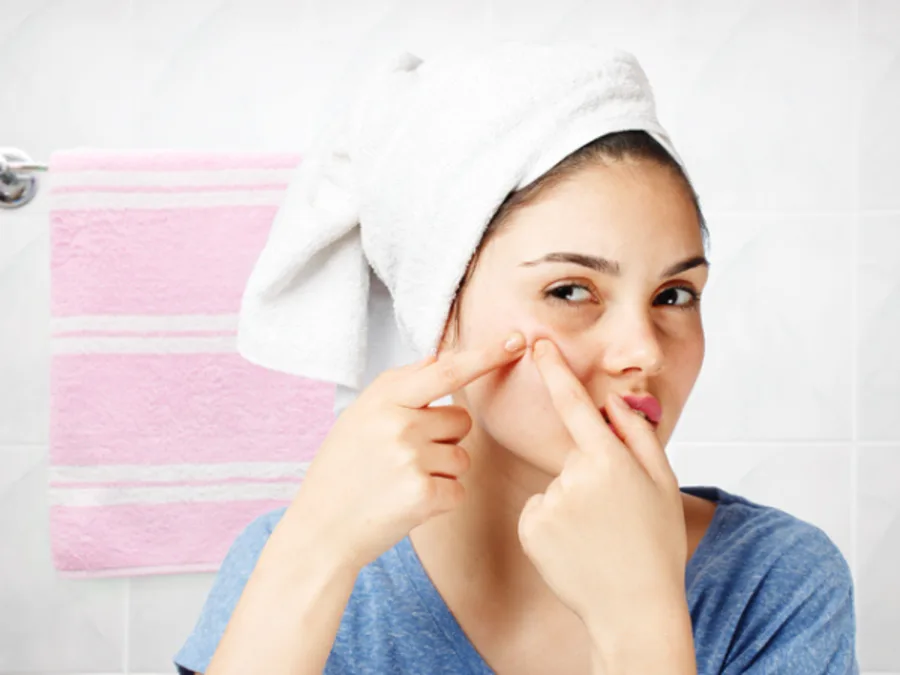
One common mistake is changing products too quickly. Someone may use a cream for one week, see no big change, and then move to something else.
But acne treatment often takes time. The NHS says many acne treatments can take 2 to 3 months before they start to work.
This is why patience matters. A good plan should be followed properly before deciding whether it works or not.
Another mistake is using too many strong products at the same time. This can make the skin dry, red, and sensitive. When the skin barrier becomes irritated, acne can sometimes feel even harder to manage.
When Home Skincare Is Not Enough
Basic skincare can help mild breakouts, but it may not be enough for ongoing or painful acne. If acne is leaving marks, causing scarring, or affecting confidence, it may be time to get professional advice.
A professional can look at the skin properly and suggest a plan based on the type and severity of acne. This is important because blackheads, inflamed spots, cystic acne, and acne scarring may need different approaches.
For people who want expert support, a medically guided acne treatment plan can help target breakouts in a more structured way instead of relying on trial and error.
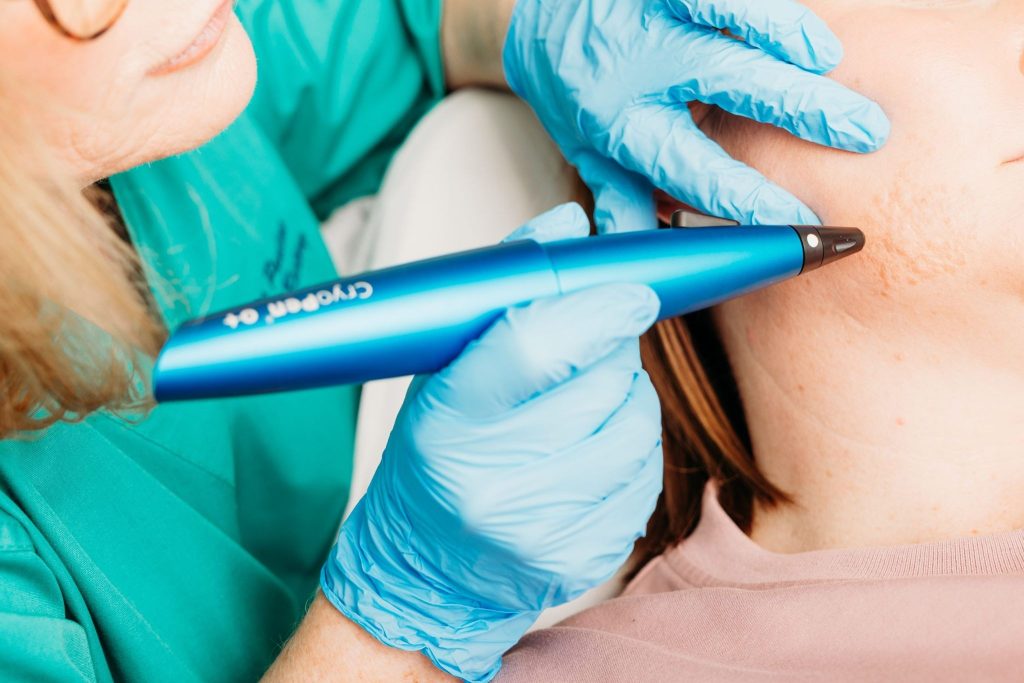
The Old Rectory Clinic describes its acne care as doctor-led and medically supervised, with options that may also support concerns such as acne scarring.
What a Good Acne Plan Should Include
A strong acne plan should not only focus on clearing spots today. It should also support healthier skin over time.
A good plan may include:
- Skin assessment
This helps identify the type of acne and possible triggers. - Simple daily routine
The skin usually responds better to a routine that is clear and consistent. - Suitable treatment options
Treatment should match the acne type, skin sensitivity, and long-term goals. - Scar and mark support
Some people may need help with texture, dark marks, or old acne scars. - Follow-up advice
Acne can change over time, so follow-up can help adjust the plan if needed.
NICE guidance for acne covers topical and oral treatments, including antibiotics and retinoids, and also recognises the effect acne can have on mental health and wellbeing.
Daily Habits That Can Support Clearer Skin
Small habits can make a difference when they are done consistently. They may not replace treatment, but they can support the skin.
Keep the routine simple. Use a gentle cleanser, avoid harsh scrubs, and choose non-comedogenic products where possible. This means the product is less likely to block pores.
It also helps to change pillowcases regularly, clean makeup brushes, avoid touching the face too much, and remove makeup before sleeping.
Most importantly, do not pick spots. It may feel tempting, but picking can increase redness, swelling, infection risk, and scarring.
Acne and Confidence
Acne is not only a skin issue. It can affect mood, self-esteem, and social confidence. Some people avoid photos, meetings, or events because they feel embarrassed about their skin.
This emotional side should not be ignored. If acne is affecting how someone feels about themselves, that is a valid reason to seek help.
Clear skin is not about looking perfect. It is about feeling more comfortable and confident in daily life.
What to Ask Before Starting Treatment
Before starting any professional acne treatment, it is helpful to ask simple questions.
Useful questions include:
- What type of acne do I have?
- How long may treatment take?
- What side effects should I know about?
- Can this help with acne marks or scars?
- What skincare should I use at home?
- How often will I need follow-up appointments?
These questions help you understand the plan clearly before starting.
Final Thoughts
Acne can be frustrating, but it can be managed with the right approach. The key is to stop guessing and start understanding what the skin actually needs.
For some people, gentle skincare and better habits may be enough. For others, professional support may be needed, especially when acne is painful, persistent, or leaving scars.
A good acne plan should be safe, realistic, and suited to the person’s skin. With patience, the right care, and proper guidance, clearer and healthier-looking skin is possible.