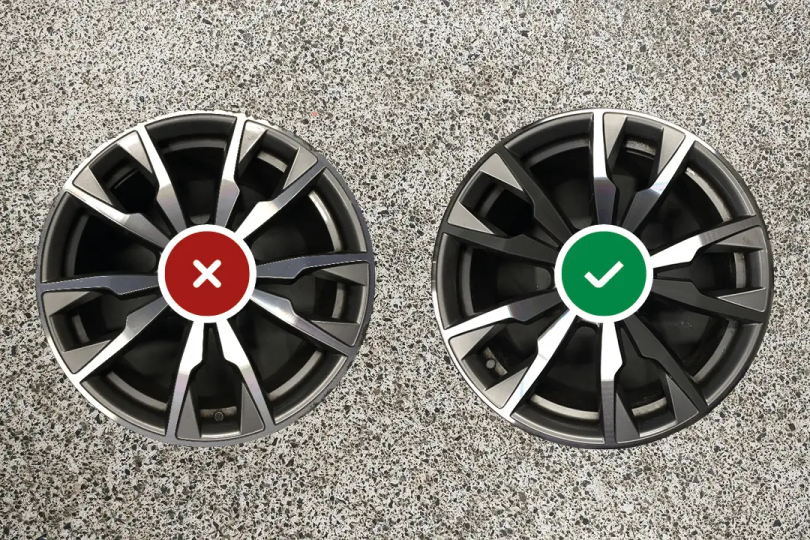

Cars are a big part of everyday life, but most drivers only focus on the engine, tyres, fuel, or brakes. Wheels often get less attention until something looks wrong. A scratch, dent, crack, or bent alloy wheel may seem small at first, but it can affect the look, comfort, and even the safety of your vehicle.
Alloy wheels are popular because they look stylish and perform well. They are lighter than many traditional steel wheels and can improve the overall appearance of a car. However, they are also exposed to daily damage from potholes, kerbs, road salt, stones, and rough driving conditions.
That is why understanding alloy wheel repair is useful for every driver. It helps you know what type of damage matters, when to fix it, and how professional repair can save money compared to replacing the whole wheel.
What Is Alloy Wheel Repair?
Alloy wheel repair is the process of restoring damaged alloy wheels back to a better condition. The repair can be cosmetic, structural, or both depending on the problem.
For example, a small kerb scratch may only need sanding, filling, repainting, and finishing. A bent wheel may require straightening with specialist equipment. A cracked wheel may need expert inspection to decide whether repair is safe or replacement is better.
In simple words, alloy wheel repair helps bring damaged wheels closer to their original shape, finish, and performance.
Why Alloy Wheels Get Damaged
Alloy wheels face more pressure than many drivers realise. They are close to the road, so they deal with impact, weather, dust, and dirt every day.
Some common causes of alloy wheel damage include:
- Hitting kerbs while parking
- Driving through potholes
- Road salt and moisture
- Brake dust build-up
- Small stones and debris
- Low tyre pressure
- Harsh cleaning chemicals
Even careful drivers can damage alloy wheels. Sometimes, one deep pothole is enough to bend or crack a wheel.
Common Signs Your Alloy Wheels Need Repair
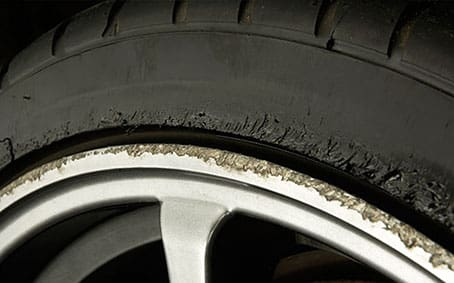
Wheel damage is not always easy to notice. Some signs are visible, while others appear through the way your car feels on the road.
You may need alloy wheel repair if you notice these warning signs:
- Scratches or scuffs: These usually happen when the wheel touches a kerb while parking.
- Vibration while driving: This can be a sign of a bent wheel or wheel balance problem.
- Slow tyre pressure loss: If the tyre keeps losing air, there may be a crack, dent, or sealing issue.
- Uneven tyre wear: This may happen when the wheel or alignment is not right.
- Visible crack: A crack should never be ignored because it can become a safety risk.
- Paint peeling: This can be a sign of corrosion or damage to the wheel finish.
If your car starts vibrating at higher speeds or your tyre loses air again and again, it is better to get the wheel checked instead of ignoring it.
Cosmetic Damage vs Structural Damage
Not all wheel damage is the same. Some issues only affect appearance, while others can affect safety and driving comfort.
Cosmetic damage
Cosmetic damage includes marks, scratches, scuffs, paint chips, and light corrosion. These issues may not stop the car from driving, but they can make the vehicle look older or poorly maintained.
Cosmetic repair usually focuses on:
- Smoothing damaged areas
- Restoring paint finish
- Removing corrosion
- Matching the wheel colour
- Applying a protective finish
Structural damage
Structural damage is more serious. It can include bends, cracks, dents, or wheel shape problems. This type of damage can affect tyre pressure, handling, and road safety.
Structural repair needs expert attention because the wheel must be inspected properly before any work begins.
Why Professional Repair Is Better Than DIY Fixes
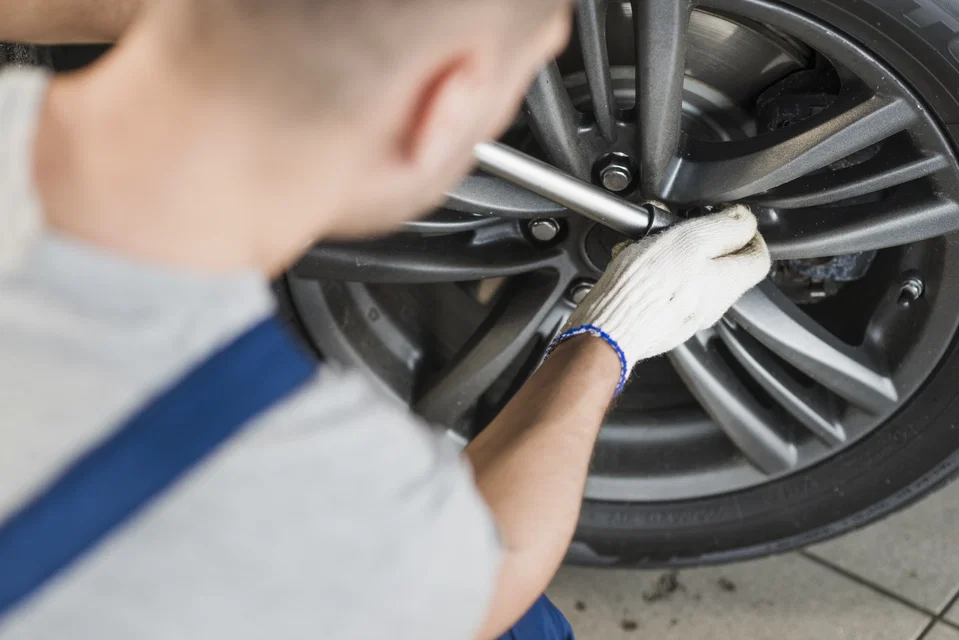
Some drivers try to fix alloy wheel damage at home using cheap kits. These kits may help hide very light scratches, but they are not suitable for deeper damage or safety-related issues.
A professional repair service has the right tools, materials, and experience to handle the job properly. This is especially important if the wheel is bent, cracked, leaking air, or causing vibration.
For drivers who want expert support in the capital, services such as london wheel repair can help restore damaged alloy wheels with careful attention to detail and a professional finish.
The goal is not just to make the wheel look better. The repair should also help the wheel perform safely and reliably.
How the Alloy Wheel Repair Process Works
The exact process depends on the type of damage, but most professional wheel repairs follow a clear method.
1. Inspection
The technician checks the wheel to understand the damage. They may look for cracks, bends, corrosion, leaks, and finish problems.
2. Cleaning
The wheel is cleaned to remove dirt, brake dust, grease, and old residue. A clean surface helps the repair work properly.
3. Repair work
The damaged area is repaired. This may involve sanding, filling, straightening, welding, or reshaping depending on the condition of the wheel.
4. Colour matching
For cosmetic repairs, the wheel colour is matched as closely as possible. This helps the repaired area blend with the rest of the wheel.
5. Finishing
A protective coating is applied to improve durability and appearance. The wheel is then checked again before being returned to the customer.
Benefits of Repairing Alloy Wheels
Repairing alloy wheels can be a smart choice for many drivers. It is often more affordable than buying a new wheel, especially when the damage is repairable.
Main benefits include:
- Improves the car’s appearance
- Helps maintain vehicle value
- Can fix air leaks caused by wheel damage
- May improve driving comfort
- Costs less than full wheel replacement
- Reduces waste by reusing the existing wheel
A clean set of wheels can also make the whole car look better. Even if the paintwork is clean, damaged wheels can make the vehicle appear neglected.
When Should You Replace Instead of Repair?
Repair is useful, but it is not always the right answer. Some wheels may be too badly damaged to fix safely.
Replacement may be needed if:
- The crack is too large
- The wheel is severely bent
- The damage affects the wheel’s strength
- The repair would not be safe
- The wheel has repeated structural issues
A trusted technician should always be honest about whether repair is safe. Safety should come before appearance or cost.
Simple Tips to Protect Alloy Wheels
You cannot avoid every pothole or road hazard, but you can reduce the chances of damage with better care.
Useful wheel care tips include:
- Avoid parking too close to kerbs
- Slow down on rough roads
- Keep tyres properly inflated
- Clean brake dust regularly
- Avoid harsh acidic cleaners
- Check wheels after hitting a pothole
- Repair small damage before corrosion spreads
Small habits can make alloy wheels last longer and stay in better condition.
Final Thoughts
Alloy wheel repair is more than just a cosmetic service. It helps restore the look of your wheels, protects the value of your car, and can sometimes improve driving comfort and safety.
For light scratches, repair can make the wheel look fresh again. For bends, cracks, or air leaks, professional inspection is important because the issue may affect how the car performs on the road.
The best approach is simple: do not ignore wheel damage. Check the signs early, understand the type of damage, and choose a skilled repair service when needed. A well-maintained set of alloy wheels can make your car look better, drive smoother, and stay safer for longer.