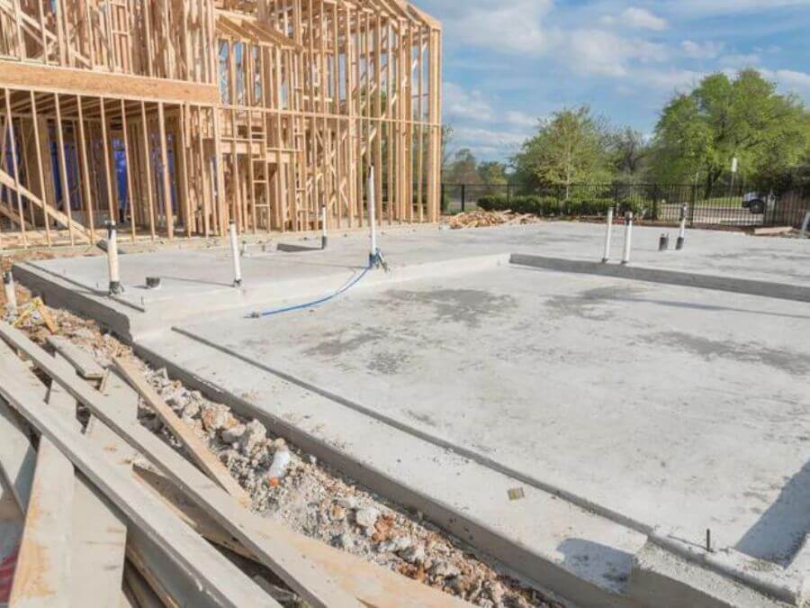

A strong building always starts with a strong base. Whether it is a home extension, garage, workshop, farm building, or commercial space, the ground beneath the structure matters more than many people realise. If the base is weak, uneven, or poorly prepared, problems can appear later in the form of cracks, movement, damp issues, or uneven floors.
This is why concrete slabs are such an important part of construction. They may look simple once finished, but a good slab requires planning, preparation, correct materials, and skilled workmanship. For anyone starting a building project in the UK, understanding how concrete slabs and foundations work can help avoid costly mistakes.
What Are Concrete Slabs?

Concrete slabs are flat, solid surfaces made by pouring concrete over a prepared area. Once the concrete sets and cures, it creates a strong base that can support different types of structures.
They are commonly used for house extensions, garages, garden rooms, patios, driveways, workshops, agricultural buildings, and commercial units. The size and thickness of the slab depends on the type of project and the weight it needs to support.
A small shed base will not need the same level of preparation as a commercial floor or a large agricultural building. This is why every project should be assessed properly before the concrete is poured.
Why the Foundation Stage Matters
Many people focus on the visible parts of a project, such as walls, flooring, doors, windows, and the final design. But the foundation stage is what keeps everything stable underneath.
If the slab is not installed correctly, the structure may not perform well over time. Small mistakes during ground preparation or concrete pouring can lead to bigger problems later.
For example, if the ground is not compacted properly, the slab may move. If drainage is ignored, water can collect and weaken the surrounding area. If the concrete is too thin for the load, cracks may appear sooner than expected.
A well-built foundation gives the whole project a better chance of lasting for many years.
Where Concrete Slabs Are Commonly Used
Concrete slabs are popular because they are strong, practical, and suitable for many different projects. In residential work, they are often used for extensions, garages, conservatories, patios, and garden buildings.
In commercial projects, slabs may be used for warehouses, workshops, storage spaces, and office units. These areas often need to handle heavier use, so the slab must be planned with strength and durability in mind.
Agricultural projects also depend on strong concrete bases. Farm buildings, machinery areas, livestock spaces, and storage yards all need surfaces that can handle pressure, movement, and changing weather conditions.
For projects that need reliable groundwork, professional services for concrete slabs can help ensure the base is prepared and finished properly.
What Makes a Concrete Slab Strong?
A strong slab is not created by concrete alone. The work before the concrete is poured is just as important as the pour itself.
The ground needs to be cleared, levelled, and compacted. If the soil is soft or unstable, extra preparation may be needed. The correct depth must also be chosen, based on the type of structure and the expected load.
Reinforcement can also make a big difference. Steel mesh or other reinforcement methods are often used to add strength and reduce the risk of cracking. After the concrete is poured, it must be finished properly and allowed enough time to cure.
Good concrete work is a step-by-step process. Rushing one stage can affect the final result.
Concrete Slabs vs Foundations
The terms “concrete slab” and “foundation” are often used together, but they are not always the same thing.
A concrete slab is usually the flat concrete surface. A foundation is the full support system that holds the structure. In some projects, the slab is part of the foundation. In others, deeper footings or additional support may be needed.
For example, a patio may only need a simple slab. A house extension may need stronger foundation work depending on building regulations, ground conditions, and structural requirements.
This is one reason why proper planning is important. The right solution depends on the project, not just the surface size.
Signs a Concrete Slab Has Been Poorly Installed
A poorly installed slab may not show problems immediately. Sometimes the surface looks fine at first, but signs of weakness appear after months or years.
Common warning signs include:
- Large cracks spreading across the surface
- Uneven or sinking areas
- Water pooling in one place
- Crumbling edges
- Gaps near walls or structures
- Movement in the floor surface
Small hairline cracks can sometimes be normal, but larger cracks or movement should not be ignored. If the slab supports a building or heavy structure, it is always better to get expert advice early.
Why Professional Installation Is Worth It
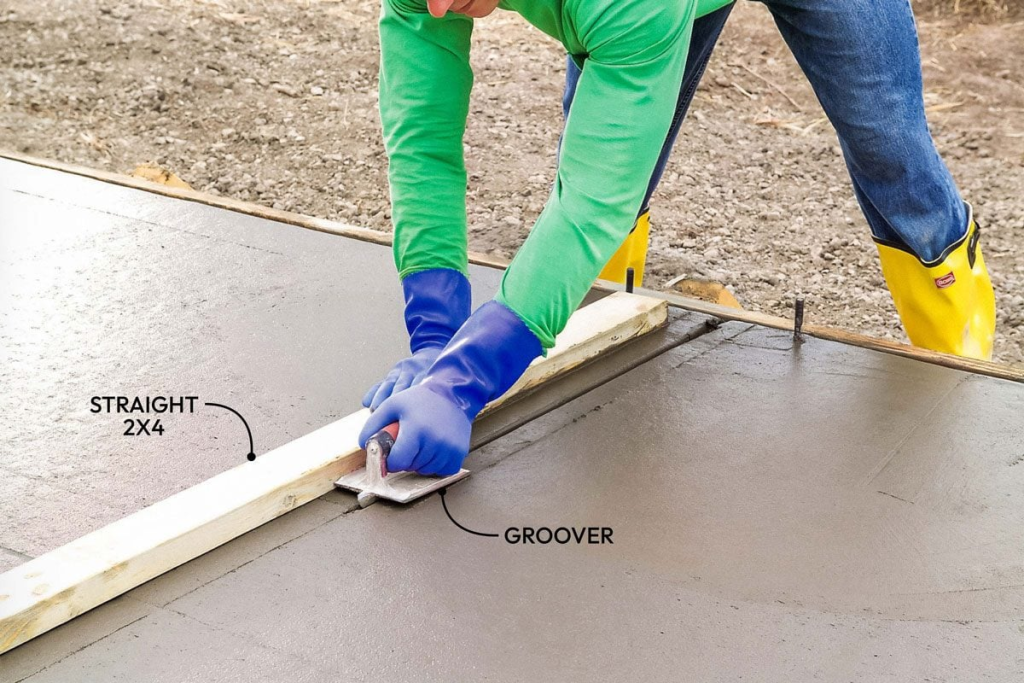
Concrete work can look simple from the outside, but it requires experience. Once concrete sets, fixing mistakes can be difficult and expensive. This is why professional installation is often the safer choice.
A skilled team can inspect the site, understand the ground conditions, choose the right slab depth, plan drainage, install reinforcement, and complete the pour correctly. They can also make sure the work is suitable for residential, commercial, or agricultural use.
For UK property owners and businesses, choosing experts in concrete slabs can help reduce the risk of poor workmanship and future repair costs.
Simple Things to Check Before Starting a Slab Project
Before starting any concrete slab or foundation project, it helps to ask a few practical questions:
- What will the slab be used for?
- How much weight does it need to support?
- Is the ground stable and properly prepared?
- Does the project need reinforcement?
- Is drainage planned correctly?
- Are building regulations involved?
These questions may seem basic, but they can prevent many problems. A slab for a garden room is not the same as a slab for heavy machinery or a commercial building.
How to Make Concrete Slabs Last Longer
A well-installed concrete slab can last a long time, but maintenance still matters. Keeping the surface clean, managing water properly, and fixing small cracks early can help protect the slab.
Drainage is especially important in the UK because rain and moisture can affect outdoor concrete surfaces. If water is allowed to sit for long periods, it may cause surface wear or contribute to damage around the edges.
It is also important not to overload the slab beyond what it was designed for. A base built for light use may not be suitable for heavy vehicles or large equipment.
Final Thoughts
Concrete slabs are one of the most important parts of many construction projects. They support homes, garages, patios, commercial spaces, and agricultural buildings. When they are planned and installed correctly, they create a strong and reliable base for long-term use.
The best results come from proper ground preparation, suitable slab design, good materials, and skilled workmanship. A strong foundation may not always be the most visible part of a project, but it is one of the most important.
For any building work, the base should never be rushed. A properly installed slab can save money, reduce future problems, and give the whole structure a safer and stronger start.