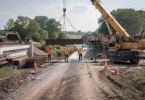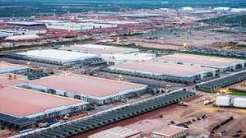

Every large building starts with the ground. Before steel goes up or concrete is poured, someone has to clear the land, move soil, shape the grade, and build roads and drainage. This work is rarely in the news, yet it decides whether a project starts on time and stays on budget. Right now, it is getting more attention than ever, because the United States is in the middle of a huge data center building wave.
Data centers are among the strongest parts of the construction market. While many other building types have slowed down, new server campuses keep appearing on farmland and old industrial lots across the country. Each one needs a very large, very flat, very stable site. That means a big job for site contractors, truck owners, and material suppliers. This article looks at why the boom matters for dirt work, where the risks are hiding, and how smart firms can bid and buy with more confidence.
Why Data Centers Need So Much Ground Work
A data center is not just a big box. It sits on a pad that must be level and strong enough to carry heavy equipment, thick floor slabs, backup power units, and cooling systems. Around the building there are roads for trucks, parking areas, fire lanes, security fences, and space for future expansion. Under the surface, there are long runs of pipe, power duct banks, and fiber lines.
All of this starts with earthwork. Crews strip topsoil, cut high spots, fill low spots, and compact the soil in layers so it does not settle later. Even a small settling problem can crack a slab or damage a sensitive system. For that reason, owners push hard for tight tolerances and careful testing. The ground has to be right the first time.
Size is the other factor. Many of these campuses cover hundreds of acres. Moving soil across a site of that size can mean hundreds of thousands of cubic yards. A mistake of just a few percent in the soil balance can mean thousands of extra truck loads, either hauling dirt in or hauling it out. That is real money and real time.
The Numbers Behind the Boom
Recent industry reports show that spending on data center construction has grown by more than a third compared with a year ago. Contractors in several regions say this one market is carrying a large share of their new work. Some national builders now say that site preparation alone makes up close to a tenth of everything they do.
The effect is not limited to the biggest names. Smaller and mid-sized site contractors are being pulled in as subcontractors, because the large builders cannot self-perform all the grading, utility, and paving work. Industry groups report that a good share of their members already hold at least one data center contract. For a local excavation company, that can mean a steady backlog for the first time in years.
There is also growth in smaller towns. Developers are looking beyond the usual hubs, where land and power are harder to find. They are now eyeing secondary markets, where the ground is cheaper but local contractors may be less used to such large, strict projects. That adds another reason to bid with care.
What Makes These Sites So Tricky
Large sites bring large surprises. The first is soil. Test borings may show good dry ground in one corner and soft clay or old fill in another. Rock can appear where no one expected it. Groundwater can sit close to the surface after a rainy season. Each of these changes how much soil must be moved, how it must be treated, and how long the job will take.
The second is water. Data center sites need good drainage, large detention ponds, and strong erosion control. Stormwater rules in many states are strict, and inspectors do visit. A heavy rain on an open site can wash soil into nearby streams and lead to fines and stop-work orders. Contractors need a clear plan for silt fences, inlet protection, stabilized entrances, and quick seeding of bare areas.
The third is schedule pressure. Owners want their facilities running as fast as possible, because every month of delay can mean lost income. Site contractors are often told to work through bad weather and long hours. That raises cost, increases safety risk, and leaves little room for rework.
Diesel and Hauling Costs Hit Earthwork Hard
Dirt work runs on diesel. Dozers, excavators, scrapers, haul trucks, and water trucks all burn it by the hundreds of gallons every day. Over the past year, diesel prices have jumped sharply, driven by tensions in the Middle East and tight supply. Industry groups warn that higher fuel costs, along with rising metal prices, will push up the price of materials and labor across all types of construction.
For an earthwork contractor, fuel is often one of the largest cost lines after labor and equipment. If a bid assumes old fuel prices, the margin can disappear in a few weeks. The problem grows when the haul distance is long. A borrow pit that is ten miles farther than planned can add a large cost to every cubic yard. Rising interest rates also make it more costly to finance the heavy machines needed for these jobs.
Smart firms are handling this in a few ways. They are adding fuel adjustment clauses to their contracts, so a price spike does not fall entirely on them. They are planning cut and fill so that as much soil as possible stays on site. They are also checking truck routes, scale locations, and dump site rules early, so there are no unpleasant surprises once the work begins.
Where Earthwork Bids Go Wrong
Looking at how site bids fail can help any contractor improve. The most common problem is a weak soil balance. If the bid assumes the site is balanced, but the real numbers show a large shortage or surplus, the cost of importing or exporting soil can wreck the budget. Swell and shrink factors matter too. Soil that is dug up takes more space than it did in the ground, and soil that is compacted takes less. If these factors are wrong, the volumes are wrong.
The second problem is old or incomplete survey data. Plans change as designers update the grading, but the bid may still rely on earlier versions. Contractors should confirm that they are working from the latest drawings and that the existing ground model matches what is actually on site.
The third is missed small items. Topsoil stripping and respreading, undercut of weak soils, rock excavation, haul road building, dewatering, and trench work for utilities can all be left out when the team is in a hurry. None of these look large alone, but together they can decide whether a job makes money.
Getting Quantities Right When the Team Is Stretched
With so many projects open for bids, site estimators are under heavy pressure. Measuring cut and fill from digital plans is slow work, and mistakes in this step flow through to every other number. Many firms now bring in outside specialists to help. Using earthwork takeoff services can give an in-house team clear volumes, area counts, and soil balance figures in less time, so estimators can spend their hours on pricing, risk, and talking with owners.
Whether the numbers come from inside or outside the company, a few habits will improve accuracy. Always compare the existing and proposed ground surfaces using the newest data. Ask for the soil report and read it closely. Mark the areas where soft soil or rock may appear. Keep a simple list of assumptions so everyone on the team knows what the bid includes and what it does not.
Pricing the Work With Fewer Surprises
Once the volumes are known, pricing must reflect the real world. Equipment hours, crew size, production rates, haul cycles, fuel use, and weather time all matter. Firms that track their own past production, such as how many cubic yards a scraper team moved per day on a similar project, usually bid better than firms that rely on guesswork or book numbers.
Outside help can again be useful here. Some contractors use earthwork estimating services to build a full cost picture, including equipment, labor, fuel, and haul costs, and then compare it with their own numbers. A second view can reveal gaps before the bid is submitted. It also helps smaller firms bid larger projects with more confidence, since they can check their thinking against a trained outside team.
Whatever method you choose, be clear in the bid about what is included, what is excluded, and what happens if soil conditions differ from the report. Unit prices for extra rock, extra undercut, or extra import and export are a fair way to share the risk with the owner.
What This Means for Material Suppliers
The data center wave is not only good news for contractors. Suppliers of crushed stone, sand, select fill, base rock, geotextile fabric, drainage pipe, culverts, erosion control products, and soil stabilizers all see more demand. A single campus can use tens of thousands of tons of stone for roads, pads, and drainage layers.
To serve these projects well, suppliers should plan ahead. Talk with site contractors early about the quantities and schedule. Make sure your quarry or yard can supply the volume without running short. Offer clear quality test results, because owners often require tested material. Be honest about delivery times, since long truck lines at a busy site can cause costly delays for everyone.
Trucking is another place where suppliers can stand out. With diesel costs so high, efficient delivery matters. Suppliers who can offer fair, steady pricing with a clear fuel surcharge formula, and who plan routes to avoid empty return trips, will be seen as reliable partners. Contractors remember who kept the trucks rolling when the schedule was tight.
Weather, Safety, and Neighbors
Site work is outdoor work, and weather is always a risk. Wet soil cannot be compacted properly, and winter cold can freeze the ground. Good contractors build weather days into their schedule and keep a plan for protecting open ground. Stockpiles should be covered or stabilized, and haul roads should be kept in good shape.
Safety is just as important. Large sites have heavy machines and trucks moving all day. Clear traffic plans, trained spotters, good lighting, and regular safety talks help prevent accidents. Trench safety deserves special care during utility work, since a collapse can be deadly.
Neighbors also matter. Dust, noise, truck traffic, and muddy roads can upset the community. Some towns have already pushed back on large data center projects over power use, water use, and traffic. Contractors who water down dust, clean truck tires, and respect work hours help keep the project on good terms with the public.
A Simple Checklist for Your Next Site Bid
- Read the soil report and mark the areas that carry the most risk.
- Confirm that you have the latest plans and a current existing ground model.
- Check the soil balance, including swell and shrink factors, before pricing anything.
- Update fuel, equipment, and trucking costs to today’s numbers, and ask for a fuel adjustment clause where possible.
- List haul routes, dump sites, and scale locations, and confirm the distances.
- Include stormwater and erosion control, and plan for wet weather days.
- State your assumptions and exclusions clearly in the bid.
- Talk with suppliers early to lock in stone, pipe, and fabric supply and pricing.
Final Thoughts
The data center boom has put dirt work in the spotlight. For site contractors, it brings strong demand, bigger projects, and a chance to build lasting relationships with national builders. For material suppliers, it brings a steady need for stone, pipe, and erosion control products. But it also brings tighter schedules, higher fuel costs, and more risk in every bid.
The winners will be the firms that respect the ground. They will measure carefully, price honestly, plan their hauling, and talk openly with owners and suppliers. In a market this busy, good preparation is the best protection against costly surprises, and it is what turns a big opportunity into a healthy profit.