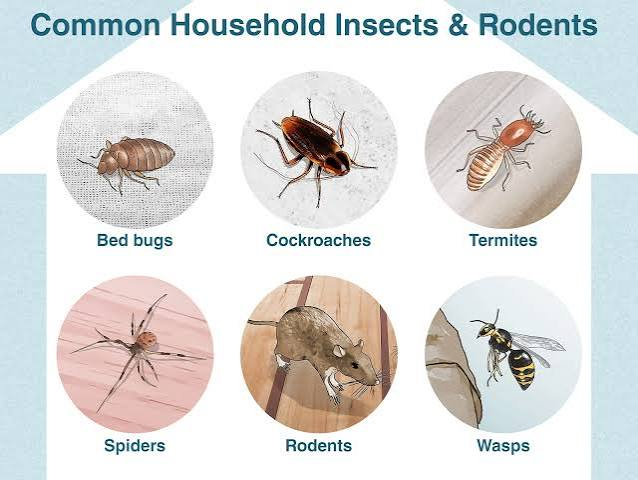

Unwanted household pests can quickly turn a comfortable home into a stressful environment, especially when they are difficult to notice during the early stages of an infestation. Among the most troublesome pests are tiny insects that hide in mattresses, furniture, cracks, flooring, and other concealed spaces during the day and become active when people are resting. Their small size makes them difficult to detect, while their ability to reproduce rapidly can allow a minor problem to become a much larger infestation.
Understanding their behavior, warning signs, hiding places, and prevention methods is essential for protecting both your home and your peace of mind. Many people do not recognize an infestation until they begin noticing unexplained bites, small dark marks, shed skins, or unusual spots around sleeping areas. Learning how to identify these signs early can make treatment much easier and can reduce the amount of time and money required to restore a home to a clean and comfortable condition.
Where They Commonly Hide
One of the most important things to understand about bed bugs is that they are highly adaptable insects that can survive in many different indoor environments. They are attracted primarily to warmth, carbon dioxide, and the presence of people, which means sleeping areas often become their preferred locations. However, they are not limited to mattresses or beds and may also hide behind headboards, inside furniture joints, underneath carpets, around baseboards, behind loose wallpaper, and inside small cracks in walls. Because they are extremely small and can flatten their bodies, they can enter spaces that appear far too narrow for an insect to occupy. Their ability to remain hidden for long periods also makes visual inspection challenging. A person may inspect a room and see nothing unusual while an infestation is developing nearby. For this reason, careful examination of seams, folds, edges, joints, and dark concealed spaces is much more useful than simply looking at open surfaces.
Recognizing Early Warning Signs
Recognizing the warning signs of an infestation is an important part of dealing with the problem before it becomes widespread. One common indication is waking up with clusters or lines of itchy marks on exposed areas of skin, although bites alone cannot confirm the presence of an infestation because different insects and skin conditions can create similar reactions. Small reddish stains on sheets may also appear if insects are accidentally crushed during sleep. Dark or rusty-colored spots around mattress seams, bed frames, upholstered furniture, or nearby surfaces can be another warning sign. In more advanced situations, people may notice pale shed skins or tiny eggs and eggshells in hidden areas. A musty or unusual odor may sometimes develop when an infestation becomes severe, although smell should not be considered a reliable identification method on its own. The most dependable approach is to combine several signs and, when possible, obtain confirmation through careful inspection or professional identification.
Why Regular Cleaning Matters
Keeping a sleeping area clean can help with detection, but ordinary cleaning alone is not always enough to eliminate an established infestation. These insects are not necessarily attracted to dirt, clutter, or poor housekeeping, and even very clean homes can experience problems. However, excessive clutter can provide additional hiding places and make inspection and treatment much more difficult. Reducing unnecessary items around beds and furniture can therefore make it easier to identify suspicious activity. Regularly washing bedding, vacuuming floors, cleaning furniture seams, and inspecting mattresses can also support prevention efforts. Items that can safely tolerate high temperatures may benefit from appropriate heat treatment through laundering or drying. Vacuuming can remove visible insects and debris from certain surfaces, but the vacuum should be emptied carefully afterward so that insects do not escape and spread to another area. Good housekeeping should be viewed as one part of a broader prevention strategy rather than a complete solution by itself.
Preventing Problems After Travel
Travel is another common way these pests can be unintentionally introduced into a home because they can hide inside luggage, clothing, bags, and personal belongings. After returning from a trip, it is wise to inspect luggage carefully before storing it away, particularly around seams, pockets, folds, and zippers. Clothing can be placed directly into a suitable dryer when the fabric allows, because appropriate heat can help kill insects that may be hiding among garments. Luggage should be inspected and cleaned in a location where any insects can be noticed easily rather than immediately placing it on a bed or upholstered furniture. People should also be cautious when purchasing secondhand mattresses, sofas, chairs, bed frames, and other upholstered items. Used furniture may contain hidden insects or eggs that are difficult to see during a quick inspection. Taking preventive steps before bringing secondhand belongings indoors can significantly reduce the chance of introducing an unwanted infestation into an otherwise unaffected home.
Inspecting the Affected Areas
When an infestation is suspected, rushing into treatment without first determining the extent of the problem can sometimes make the situation more difficult. A careful inspection should cover the sleeping area and surrounding furniture, but it should also extend to nearby rooms when signs suggest that insects may have spread. Mattresses should be examined along piping, stitching, handles, labels, and underneath edges. Bed frames, headboards, nightstands, drawers, and upholstered furniture should receive similar attention. Cracks in walls, gaps around flooring, and spaces behind furniture may also provide hiding places. It is important to avoid moving heavily infested furniture from one room to another because doing so can unintentionally spread the insects. Similarly, throwing furniture outside without proper containment may allow pests to move through hallways or other areas. A systematic inspection helps determine where treatment should be concentrated and prevents unnecessary disruption throughout the home.
Choosing Appropriate Treatment Methods
Treatment methods vary depending on the severity of the infestation, the affected areas, and the materials involved. Washing and drying washable fabrics at appropriate temperatures can be useful for clothing, bedding, and other compatible items. Thorough vacuuming may remove insects from accessible surfaces, while steam treatment can be effective when performed correctly and safely on suitable materials. Mattress and box-spring encasements designed for pest control can also help isolate insects and make future inspections easier. Chemical treatments may be appropriate in some circumstances, but products should always be used strictly according to their labels and never applied to people, pets, or surfaces in ways that are not specifically permitted. Improper pesticide use can create health and safety risks while failing to solve the underlying infestation. When the problem is extensive, repeated, or difficult to locate, professional pest management may be the most practical option because trained technicians have access to specialized equipment, inspection techniques, and treatment plans.
Why Follow-Up Treatment Is Important
A successful treatment usually requires patience because eliminating an established infestation is rarely a matter of applying one product one time. Eggs can remain hidden in protected areas, and newly emerged insects may appear after an initial treatment. This is why follow-up inspections and repeated treatments are sometimes necessary. People should carefully follow the instructions provided by pest-control professionals and avoid interfering with treatment areas unless they are told that cleaning or moving items is safe. Monitoring devices and interceptors placed around bed frames can also help reveal whether activity continues. Keeping a written record of sightings, bites, cleaning activities, and treatments can make it easier to evaluate progress over time. If multiple rooms are affected, the treatment plan may need to address the entire living environment rather than focusing only on the place where the first signs were noticed. Consistency is one of the most important factors in achieving lasting results.
Building Long-Term Prevention Habits
Preventing future infestations requires ongoing awareness rather than a single cleaning session. Regularly inspecting sleeping areas, especially after travel or after bringing used furniture into the home, can help identify problems before they become widespread. Keeping bedrooms organized makes hidden areas easier to inspect and reduces the number of places where pests can remain undetected. Protective mattress encasements, bed-frame interceptors, and careful luggage handling can provide additional layers of protection. People living in apartments or shared buildings should also understand that insects can sometimes move between nearby units through cracks, wall voids, utility openings, or shared structures. If repeated infestations occur despite thorough treatment, the surrounding environment may need to be inspected as well. Communication with property managers, neighbors, or professional pest-control providers may be necessary when the problem appears to involve multiple connected areas.
Common Misconceptions
It is also important to understand that an infestation is not a reflection of someone’s cleanliness, lifestyle, or personal habits. These insects are opportunistic and can be transported through clothing, luggage, furniture, bags, and other belongings. Shame or embarrassment can cause people to delay asking for help, allowing the problem to become more difficult to control. Acting quickly after noticing suspicious signs is usually more helpful than trying to hide the issue. People should also avoid relying on unverified home remedies that promise instant results, especially methods involving excessive heat, unsafe chemicals, or flammable materials. Such approaches can cause fires, damage furniture, expose occupants to harmful substances, or simply fail to eliminate the infestation. Reliable identification, careful preparation, appropriate treatment, and follow-up monitoring provide a much safer and more effective path toward resolving the problem.
Managing the Psychological Impact
The psychological impact of an infestation should not be overlooked either. Persistent itching, disrupted sleep, constant checking of furniture, and worry about spreading insects to family members can create considerable stress. Some people may become overly focused on every mark or spot they notice, while others may avoid normal activities because they fear carrying insects elsewhere. Maintaining a practical routine can help reduce unnecessary anxiety. Once the problem has been identified, creating a clear treatment plan and following it step by step is more productive than repeatedly applying different products without a strategy. Bedding and clothing can be handled according to appropriate laundering instructions, rooms can be inspected systematically, and unnecessary clutter can be reduced. If bites or skin irritation are severe or persistent, seeking appropriate medical advice can also be useful because skin reactions vary from person to person and not every mark is necessarily caused by an insect.
Final Thoughts
Ultimately, dealing with bed bugs requires a combination of awareness, early detection, careful cleaning, appropriate treatment, and continued monitoring. No single method should be expected to solve every infestation because the insects can hide in numerous locations and different homes present different challenges. The most effective approach is to identify the problem accurately, determine how widely it has spread, treat affected areas using safe and appropriate methods, and continue checking for signs of activity after treatment. Prevention is equally valuable because avoiding the introduction of insects is generally easier than eliminating an established infestation. Simple habits such as inspecting luggage after travel, checking secondhand furniture, reducing clutter, and regularly examining sleeping areas can make a meaningful difference. With timely action and a methodical approach, homeowners and tenants can regain control of their living environment and reduce the likelihood of future infestations.