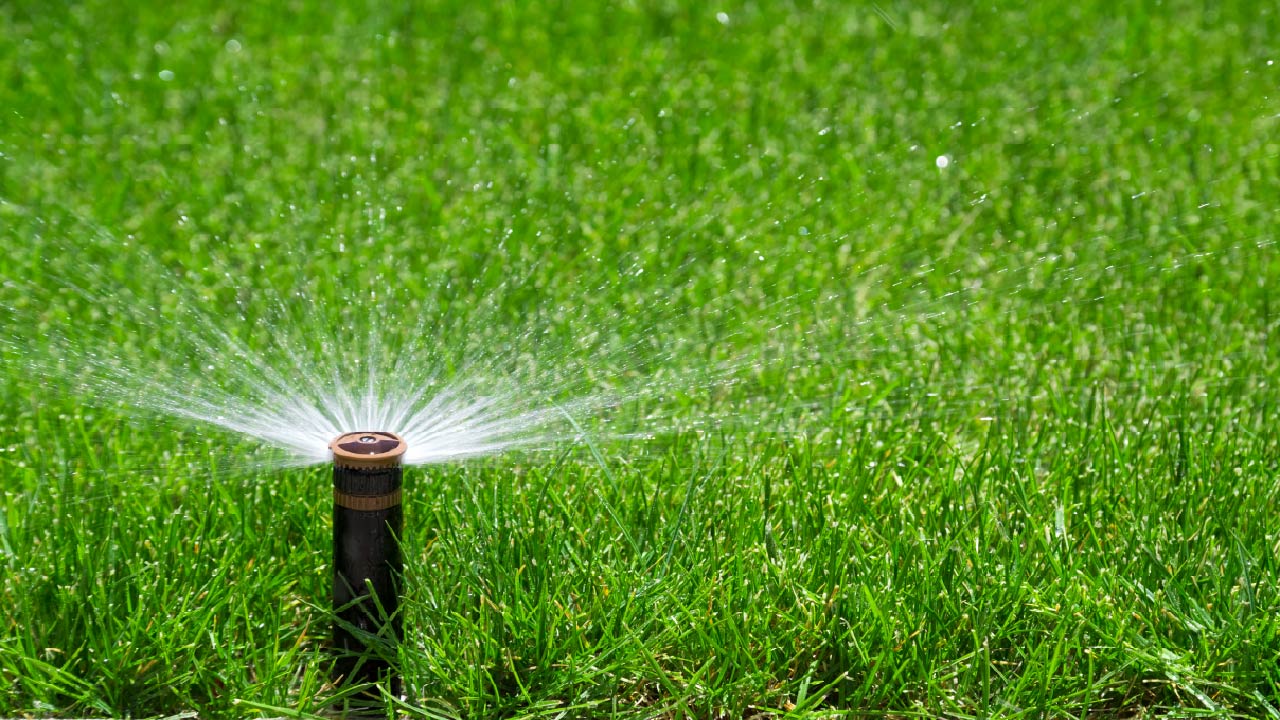
Understanding the Importance of Proper Irrigation Care
A well-maintained sprinkler system plays an important role in keeping lawns, gardens, and landscapes healthy throughout the year. An irrigation system provides consistent water distribution, supports plant growth, and helps maintain an attractive outdoor environment. However, like any mechanical system, sprinklers require regular attention to continue working efficiently. Without proper care, issues such as clogged nozzles, broken sprinkler heads, leaks, and uneven watering can reduce performance and waste valuable resources.
Many property owners install sprinkler systems to simplify lawn care and save time, but installation alone does not guarantee long-term reliability. Seasonal changes, weather conditions, soil movement, and regular usage can affect the condition of irrigation components. Routine inspections and timely adjustments help prevent small problems from becoming expensive repairs.
Professional sprinkler system maintenance focuses on keeping every part of the irrigation network functioning correctly. From checking water pressure to adjusting sprinkler heads and inspecting valves, proper maintenance ensures that water reaches the areas where it is needed most. A healthy irrigation system not only improves landscape appearance but also supports water efficiency and responsible property care.
Why Regular Sprinkler Maintenance Is Essential
A sprinkler system consists of many connected parts, including pipes, valves, controllers, sprinkler heads, and sensors. Each component has a specific function, and problems with one part can affect the performance of the entire system. Regular maintenance helps identify issues before they create major disruptions.
One of the biggest advantages of routine care is improved water efficiency. A damaged sprinkler head or leaking pipe can waste significant amounts of water over time. Proper inspections help ensure that water is distributed evenly, reducing unnecessary consumption and improving irrigation effectiveness.
Regular maintenance also helps protect landscaping investments. Lawns, flowers, trees, and plants require consistent watering to remain healthy. When sprinklers fail to provide adequate coverage, certain areas may become dry, while others may receive too much water. This imbalance can lead to unhealthy plants, soil problems, and increased maintenance needs.
Another important benefit is extending the lifespan of the irrigation system. Components that are cleaned, adjusted, and inspected regularly are less likely to experience premature failure. Preventive care reduces the need for frequent replacements and helps property owners avoid unexpected repair expenses.
Common Sprinkler System Problems
Several issues can affect the performance of an irrigation system. One of the most common problems is clogged sprinkler heads. Dirt, grass clippings, minerals, and debris can block water flow, resulting in poor coverage and uneven watering.
Broken or damaged sprinkler heads are another frequent concern. Lawn equipment, foot traffic, weather conditions, and normal wear can cause heads to crack, shift, or stop functioning properly. Damaged components may spray water incorrectly or fail to operate completely.
Leaks are also a major issue that should not be ignored. A leaking valve, pipe, or connection can waste water and create wet areas in the landscape. Over time, leaks may contribute to soil erosion, plant damage, or higher water costs.
Incorrect sprinkler alignment can reduce system efficiency. Sprinkler heads that are aimed incorrectly may water sidewalks, driveways, or areas that do not require irrigation. Adjusting spray patterns ensures that water reaches the intended areas without unnecessary waste.
Controller problems can also impact performance. A malfunctioning timer or incorrect programming may cause overwatering, underwatering, or irrigation at unsuitable times. Checking settings regularly helps maintain an efficient watering schedule.
Seasonal Maintenance Practices for Better Performance
Different seasons create different challenges for irrigation systems. Preparing sprinklers for seasonal changes helps protect components and ensures reliable operation when needed.
Before periods of heavy use, a complete system inspection is beneficial. Checking sprinkler heads, testing valves, examining coverage areas, and reviewing controller settings can help identify issues before they affect lawn health.
During active watering periods, regular monitoring is important. Property owners should observe sprinkler operation and look for signs of poor performance. Uneven watering, unusual noises, or visible leaks should be addressed quickly.
At the end of the watering season, systems may require additional care to prepare for reduced use or colder conditions. Proper seasonal procedures help prevent damage and maintain equipment condition.
Important Components That Require Inspection
A complete maintenance routine includes checking several key components. Sprinkler heads should be inspected for damage, proper positioning, and correct spray patterns. Even minor adjustments can significantly improve watering efficiency.
Valves are another important area of focus. These components control water flow throughout the system. Damaged or malfunctioning valves can affect multiple irrigation zones and may require professional attention.
The controller should also be reviewed regularly. Programming adjustments may be necessary due to seasonal weather changes, plant requirements, or changing landscape conditions. Proper scheduling prevents unnecessary water use.
Pipes and connections should be examined for signs of leaks or damage. Underground problems can sometimes be difficult to detect, but professional inspections can identify pressure changes or unusual water usage patterns that suggest hidden issues.
Sensors and additional features should also be checked. Rain sensors, moisture sensors, and smart irrigation technology help improve efficiency by adjusting watering based on actual conditions.
Benefits of Professional Sprinkler Care
While basic tasks such as cleaning visible sprinkler heads can be handled by property owners, professional maintenance provides a deeper level of inspection and service. Experienced technicians have the tools and knowledge needed to evaluate the entire irrigation system.
Professionals can identify problems that may not be obvious during a basic inspection. Hidden leaks, pressure issues, damaged underground components, and inefficient watering patterns often require specialized expertise to diagnose.
Professional maintenance also helps optimize system performance. Technicians can adjust spray patterns, improve coverage, and recommend upgrades that make irrigation more efficient. These improvements can reduce water waste while keeping landscapes healthier.
Another advantage is saving time and avoiding frustration. Managing an irrigation system requires attention to detail, and professional support allows property owners to maintain reliable performance without handling every technical issue themselves.
How Proper Maintenance Saves Money
Many property owners view maintenance as an expense, but regular care can actually reduce long-term costs. Preventing problems before they become serious helps avoid expensive repairs and replacements.
A leaking sprinkler system can increase water bills significantly over time. Fixing leaks and improving efficiency helps reduce unnecessary water usage. Properly adjusted systems also prevent overwatering, which can contribute to plant damage and additional landscaping expenses.
Maintaining equipment also extends its lifespan. Replacing an entire irrigation system is far more expensive than performing routine inspections and minor repairs. Preventive maintenance protects the original investment and improves overall value.
Improving Landscape Health Through Efficient Irrigation
Healthy landscapes depend on proper watering practices. Too much water can create problems such as root damage, fungal growth, and soil issues, while too little water can cause plants to become stressed and unhealthy.
A properly maintained sprinkler system delivers the right amount of water where it is needed. Consistent irrigation supports stronger grass growth, healthier plants, and a more attractive outdoor environment.
Efficient watering also supports environmental responsibility. Reducing water waste through proper maintenance helps conserve resources while maintaining beautiful landscapes. Smart irrigation practices benefit both property owners and the surrounding environment.
Choosing the Right Maintenance Approach
Every irrigation system is different, and maintenance needs depend on factors such as system size, landscape design, water source, and local conditions. A customized maintenance approach ensures that the system receives appropriate care.
Property owners should establish a regular inspection routine rather than waiting until problems appear. Consistent monitoring makes it easier to identify changes in performance and address concerns early.
Working with experienced professionals can provide additional confidence that the irrigation system is being properly maintained. Expert guidance helps property owners make informed decisions about repairs, adjustments, and improvements.
Final Thoughts on Maintaining an Efficient Sprinkler System
A sprinkler system is a valuable investment that supports healthy landscapes and simplifies outdoor maintenance. However, reliable performance depends on regular inspections, proper adjustments, and timely repairs. Neglecting maintenance can lead to wasted water, damaged landscaping, and costly problems.
Sprinkler system maintenance ensures that irrigation equipment continues to operate efficiently and provide consistent results. By caring for each component, addressing issues early, and following proper maintenance practices, property owners can protect their landscapes and maximize the lifespan of their systems.
A well-maintained irrigation system creates a healthier outdoor space while promoting responsible water use. With regular attention and professional support when needed, sprinklers can continue delivering reliable performance for many years.