
Introduction to Modern Roofing Solutions
A roof is one of the most essential components of any building because it provides protection, comfort, and structural security. It works continuously to defend a property against rain, sunlight, wind, temperature changes, and other environmental challenges. While many homeowners focus on interior improvements and exterior decoration, the importance of selecting a reliable roofing system cannot be ignored. A strong and properly designed roof improves the overall durability of a building while also contributing to energy efficiency, appearance, and long-term property value.
Among the many roofing options available today, shingle roofing has become a widely preferred choice because of its combination of affordability, durability, versatility, and attractive appearance. Modern roofing shingles are available in different designs, colors, and materials, allowing homeowners to choose solutions that match their specific requirements. With continuous improvements in manufacturing technology, roofing shingles now provide better resistance against weather damage and longer service life compared with many older products.
Choosing the right roofing material requires an understanding of different factors, including climate conditions, maintenance requirements, installation quality, and budget considerations. A roof is a long-term investment, and selecting a dependable system can reduce future repair expenses while improving the safety and comfort of a property. By learning about roofing materials, installation methods, maintenance practices, and common problems, homeowners can make informed decisions that support lasting performance.
Understanding the Basics of Roofing Systems
A roofing system is made up of several layers that work together to protect the structure beneath it. Although the outer surface receives the most attention, every layer plays an important role in maintaining strength and preventing damage. The roof deck provides the foundation, underlayment creates an additional moisture barrier, flashing protects vulnerable areas, ventilation controls airflow, and the outer roofing material provides protection from external conditions.
Each component must be installed correctly to achieve the best results. If one part of the system fails, it can affect the performance of the entire roof. For example, poor ventilation can lead to moisture buildup, while incorrect flashing installation can increase the possibility of leaks around roof openings. This is why professional installation and proper maintenance are equally important when creating a reliable roofing system.
A well-designed roof does more than simply block rain and sunlight. It helps maintain indoor comfort by supporting insulation performance and controlling temperature changes. During warmer months, an efficient roofing system can reduce heat absorption, while during colder periods, it can help prevent unnecessary heat loss. This balance contributes to better energy efficiency and a more comfortable living environment.
Different Types of Roofing Materials and Their Benefits
The roofing industry offers many material choices, each with unique features, advantages, and limitations. Asphalt shingles are among the most commonly used options because they provide excellent performance at a reasonable cost. They are lightweight, easy to install, and available in numerous styles that complement different architectural designs.
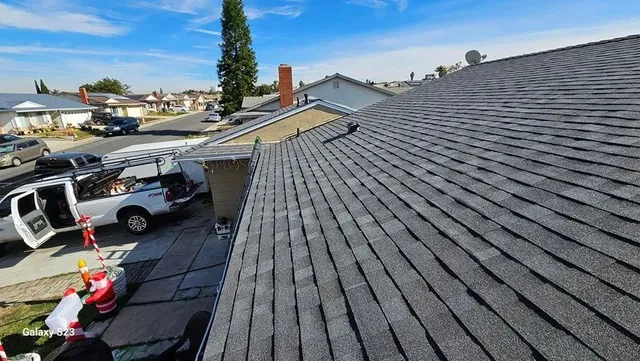
Architectural shingles are a more advanced version of traditional asphalt shingles. They are thicker, provide a dimensional appearance, and often offer improved durability. Their layered design creates attractive shadow effects that can enhance the visual appeal of a property. Luxury shingles are another premium option designed to replicate the appearance of natural materials such as slate or wood while maintaining easier installation and lower maintenance requirements.
Metal roofing, tile roofing, and wood roofing are also popular choices for certain applications. Metal roofs are known for their strength and long lifespan, while tile roofs provide a distinctive appearance and excellent resistance to certain weather conditions. Wood roofing offers a natural look but usually requires more maintenance to preserve its condition. Each material has different characteristics, making it important to consider performance expectations, budget, and maintenance preferences before making a final decision.
Why Homeowners Prefer Quality Roofing Materials
The growing popularity of modern roofing materials is largely due to their ability to combine practical benefits with visual appeal. Homeowners want roofing systems that not only protect their properties but also improve exterior appearance. Manufacturers now provide a wide range of styles, textures, and colors, allowing roofs to become an important part of overall architectural design.
One of the major benefits of choosing high-quality roofing materials is improved durability. A roof experiences constant exposure to changing weather conditions, including strong sunlight, heavy rainfall, wind, and temperature fluctuations. Premium materials are designed to handle these challenges while maintaining their appearance and structural performance.
Another advantage is easier maintenance. While all roofs require some level of care, durable materials often need fewer repairs when they are properly installed and maintained. Regular inspections and timely repairs help prevent small issues from becoming expensive problems. This proactive approach extends roof life and protects the investment made during installation.
Key Advantages of Installing Reliable Roofing Systems
A dependable roofing system offers several benefits beyond basic protection. One important advantage is increased property value. A well-maintained and attractive roof improves curb appeal and creates a positive impression for potential buyers. Since the roof represents a significant part of a property’s exterior, its condition can influence overall market perception.
Energy efficiency is another important benefit. Some modern roofing materials are designed with reflective features that reduce heat absorption from sunlight. When combined with proper insulation and ventilation, these materials can help regulate indoor temperatures and reduce pressure on heating and cooling systems.
Reliable roofing also improves safety by preventing water intrusion and structural damage. Moisture problems can lead to issues such as mold growth, damaged insulation, and weakened building materials. A properly installed and maintained roof creates a protective barrier that helps preserve the integrity of the entire structure.
Factors That Influence Roof Durability
Several factors determine how long a roofing system will perform effectively. Material quality is one of the most important considerations, as stronger products generally provide better resistance against environmental stress. However, even premium materials may fail to achieve their expected lifespan if installation quality is poor.
Weather exposure also plays a major role in roof performance. Continuous exposure to sunlight, moisture, and temperature changes gradually affects roofing materials. Regular maintenance helps identify early signs of deterioration and allows necessary repairs to be completed before serious damage occurs.
Ventilation and drainage are equally important factors. Proper airflow prevents excessive heat and moisture buildup, while effective drainage removes water efficiently from the roof surface. Together, these elements support a healthier roofing environment and help extend the useful life of the system.
Importance of Professional Installation
Professional installation is one of the most important steps in achieving reliable roofing performance. Even the highest-quality materials require correct installation techniques to function properly. Experienced roofing professionals understand how to prepare the surface, install protective layers, secure materials correctly, and address areas that require additional attention.
Poor installation can lead to various problems, including leaks, premature deterioration, and reduced wind resistance. Choosing an experienced contractor helps ensure that every part of the roofing system is installed according to recommended standards. A professional approach provides better results and reduces the possibility of future repair expenses.
Selecting Materials Based on Long-Term Needs
Choosing roofing materials should involve careful consideration of long-term goals rather than focusing only on initial costs. While budget is important, selecting the cheapest option may result in higher expenses if frequent repairs or early replacement become necessary. A balanced approach considers durability, appearance, maintenance needs, and expected lifespan.
Homeowners should evaluate different options and select materials that provide the right combination of performance and value. Quality materials supported by professional installation create a roofing system capable of providing dependable protection for many years.
Maintenance Practices for Long-Term Roof Performance
Regular maintenance is essential for protecting a roofing investment and ensuring that the system continues to perform effectively throughout its expected lifespan. Although modern roofing materials are designed to handle different environmental challenges, they still require proper care to maintain their strength and appearance. Ignoring minor issues can allow small problems to develop into major repairs that may affect both the roof and the interior structure of a property.
One of the simplest but most effective maintenance practices is keeping the roof and drainage systems clean. Leaves, branches, dirt, and other debris can collect over time and prevent water from flowing properly. When moisture remains on roofing materials for extended periods, it can increase the chances of damage and deterioration. Cleaning gutters and ensuring that water can move away from the building helps reduce unnecessary stress on the roofing system.
Routine inspections are also valuable because they allow potential issues to be identified before they become serious. Homeowners should look for visible signs of damage, such as missing materials, damaged edges, cracks, or areas where the surface appears worn. Professional inspections are especially useful after severe weather events because trained specialists can identify problems that may not be visible from the ground.
Another important maintenance step involves checking attic conditions. Proper attic ventilation helps control temperature and moisture levels, reducing the risk of condensation and structural damage. Excessive heat buildup during warm seasons can accelerate aging, while trapped moisture can contribute to mold growth and weakened materials. Maintaining proper airflow supports the overall health of the roofing system and improves indoor comfort.
Common Roofing Problems and Their Solutions
Every roofing system experiences natural wear over time, especially when exposed to changing weather conditions. Understanding common roofing problems allows homeowners to respond quickly and prevent more expensive damage. One frequent issue is the loss of protective surface granules. These granules help protect roofing materials from sunlight and environmental exposure, so excessive loss may indicate that the roof requires professional attention.
Another common concern is cracking, curling, or lifting materials. These problems often develop as roofing materials age or experience repeated expansion and contraction caused by temperature changes. Cracked areas may allow moisture to enter, while lifted sections can become vulnerable during strong winds. Addressing these issues early can help prevent larger sections of the roof from being affected.
Leaks are among the most serious roofing concerns because they can damage both exterior and interior areas of a property. Water may enter through damaged sections, flashing problems, roof openings, or areas where different surfaces connect. Sometimes leaks are difficult to identify because water can travel beneath roofing layers before appearing inside the building. Signs such as ceiling stains, damp insulation, or unusual odors may indicate hidden moisture problems.
Poor installation is another major cause of roofing issues. Incorrect placement of materials, improper fastening, or inadequate sealing can reduce the effectiveness of even high-quality products. This is why selecting skilled professionals is an important part of achieving long-term roofing performance. Proper installation creates a stronger foundation for durability and reduces the need for frequent repairs.
Signs That Indicate a Roof May Need Replacement
While regular maintenance can extend roof life, every roofing system eventually reaches a point where replacement becomes necessary. Recognizing the warning signs early allows homeowners to plan ahead and avoid unexpected structural problems. One of the most obvious indicators is the age of the roof. As materials become older, they naturally lose some of their original strength and resistance.
Frequent repairs are another sign that replacement may be a better option. If a roof requires repeated fixes for leaks, damaged areas, or ongoing deterioration, continuing to repair it may become less cost-effective over time. A complete replacement can provide improved performance, updated materials, and better long-term value.
Visible damage across large areas should also be carefully evaluated. Widespread cracking, missing sections, uneven surfaces, or significant discoloration may indicate that the roofing system is no longer providing reliable protection. A professional assessment can determine whether repairs are sufficient or whether a new installation would be more beneficial.
Modern shingle roofing systems provide homeowners with improved durability, design flexibility, and dependable protection. Advances in manufacturing have allowed these products to offer better resistance against environmental challenges while maintaining attractive appearances. Choosing a suitable roofing style and quality level can create a balance between performance, appearance, and long-term investment value.
How to Choose the Right Roofing Professional
The quality of installation has a direct impact on roofing performance, which makes choosing the right contractor an important decision. A reliable professional should have experience with different roofing materials, understand proper installation methods, and follow recommended safety procedures. Researching a contractor’s experience, previous projects, and customer feedback can help homeowners make a more confident choice.
A detailed project agreement is also important before beginning any roofing work. The agreement should clearly explain the materials being used, expected timeline, costs, warranty information, and the services included. Clear communication helps avoid confusion and ensures that both the homeowner and contractor understand the project requirements.
Quality contractors focus on preparation as much as installation. They inspect the existing structure, identify potential concerns, replace damaged areas when necessary, and ensure that protective layers are installed correctly. Attention to detail during every stage of the process contributes to better performance and a longer-lasting roofing system.
Long-Term Benefits of Investing in a Quality Roof
A quality roof provides benefits that extend far beyond basic weather protection. It contributes to property appearance, structural safety, energy efficiency, and overall comfort. Since roofing replacement represents a significant investment, selecting dependable materials and professional installation creates value that continues for many years.
A well-maintained roofing system also reduces the likelihood of unexpected expenses. Preventive inspections and timely repairs help address small concerns before they become major problems. This approach saves money over time and helps homeowners maintain better control over future maintenance costs.
In addition, a strong roofing system supports a healthier living environment by preventing moisture-related issues. Water intrusion can lead to damaged walls, weakened structures, and indoor air quality concerns. A reliable roof acts as a protective barrier that helps preserve the condition of the entire building.
Future Improvements in Roofing Technology
The roofing industry continues to develop new solutions focused on durability, efficiency, and environmental responsibility. Manufacturers are constantly improving materials to provide stronger performance, better weather resistance, and longer service life. These advancements allow homeowners to benefit from roofing systems that are more reliable and adaptable than previous generations.
Sustainability is also becoming an important part of modern roofing development. Many manufacturers are exploring ways to reduce waste, improve production methods, and create materials that have a lower environmental impact. Some roofing products can also be recycled after removal, supporting more responsible construction practices.
Technology improvements are expected to continue influencing roofing design in the future. Enhanced materials, improved installation techniques, and better energy-efficient features will provide homeowners with more choices when selecting long-lasting roofing solutions.
Final Thoughts on Choosing the Best Roofing Solution
Selecting the right shingle roofing system requires careful consideration of materials, installation quality, maintenance requirements, and long-term goals. A roof is not simply an exterior feature; it is a protective system that plays an important role in maintaining the safety, comfort, and value of a property.
By understanding different roofing options, recognizing common problems, and following proper maintenance practices, homeowners can make decisions that provide lasting benefits. Investing in quality materials and professional workmanship creates a stronger, more reliable roofing system capable of handling everyday environmental challenges.
A carefully planned roofing approach improves appearance, reduces maintenance concerns, and provides peace of mind for years to come. With the right materials, proper installation, and regular care, a roof can continue delivering dependable protection while enhancing the overall performance and value of a property.