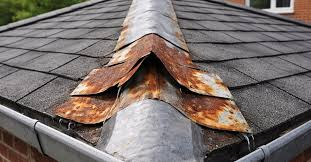

A roof is more than just shingles or panels—it’s a system of carefully integrated components designed to keep water out and protect everything beneath it. Among these components, metal flashing often goes unnoticed, yet it plays a critical role in maintaining the structural integrity of a home or building. When flashing fails, even the best roofing materials can’t prevent leaks and damage.
Understanding how metal flashing works, why it deteriorates, and when to address issues can save property owners from costly repairs and long-term structural problems.
What Is Metal Flashing and Why Is It Important?
Metal flashing is typically made from materials like aluminum, galvanized steel, or copper. It’s installed in vulnerable areas of a roof where water is most likely to penetrate, such as:
- Around chimneys and skylights
- Along roof valleys
- At roof edges and intersections
- Around vents and pipes
Its primary function is simple: direct water away from seams and joints where leaks are most likely to occur. Without properly installed and maintained flashing, water can seep into small gaps and cause rot, mold growth, and interior damage.
Common Causes of Flashing Damage
Even though metal flashing is designed to be durable, it’s not immune to wear and tear. Several factors can lead to deterioration over time:
1. Weather Exposure
Constant exposure to sun, rain, and temperature fluctuations causes expansion and contraction. Over time, this weakens seals and fasteners.
2. Improper Installation
If flashing isn’t installed correctly from the start, it may not provide a tight seal. Poor overlaps, incorrect placement, or inadequate sealing can all lead to premature failure.
3. Corrosion
Certain metals are more prone to rust, especially in humid or coastal environments. Once corrosion sets in, the flashing can weaken and eventually crack.
4. Roof Movement
As a building settles or experiences structural shifts, flashing can loosen or separate from the surfaces it’s meant to protect.
Signs Your Flashing Needs Attention
Because flashing issues often develop gradually, they can go unnoticed until significant damage occurs. Here are some warning signs to watch for:
- Water stains on ceilings or walls
- Visible rust or cracks in metal flashing
- Loose or missing sections around roof features
- Mold or mildew in attic spaces
- Dripping during or after rainfall
If any of these signs appear, it’s important to act quickly before minor issues turn into major repairs.
The Value of Timely Repairs
Delaying flashing repairs can lead to more extensive—and expensive—problems. Water intrusion doesn’t just affect roofing materials; it can compromise insulation, weaken wooden structures, and even impact electrical systems.
Addressing issues early offers several benefits:
- Prevents structural damage
- Extends the life of your roof
- Reduces long-term repair costs
- Maintains indoor air quality by preventing mold
For property owners dealing with persistent leaks or visible flashing damage, exploring professional solutions like metal flashing repair in San Antonio can provide clarity on the best next steps and help restore proper protection.
Repair vs. Replacement: What’s the Right Choice?
Not all flashing problems require a full replacement. In many cases, targeted repairs can effectively resolve the issue. The right approach depends on the extent of the damage.
When Repairs Are Enough
- Minor cracks or gaps
- Loose sections that can be resealed
- Small areas of corrosion
When Replacement Is Necessary
- Extensive rust or deterioration
- Improper original installation
- Repeated leaks despite previous repairs
A professional assessment can help determine the most cost-effective and durable solution.
Best Practices for Maintaining Metal Flashing
Regular maintenance is key to preventing flashing issues. Here are some practical steps property owners can take:
- Schedule annual roof inspections
- Check flashing after major storms
- Keep gutters clean to prevent water backup
- Trim overhanging branches that may damage roofing materials
- Address minor issues promptly before they escalate
Proactive care not only protects flashing but also enhances the overall performance of the entire roofing system.
How Climate Impacts Flashing Performance
In regions with intense heat, heavy rainfall, or fluctuating temperatures, flashing is under constant stress. Expansion and contraction cycles can loosen seals, while heavy rains test the integrity of every joint and seam.
This makes proper installation and timely maintenance even more critical in such environments. Choosing the right materials and ensuring expert workmanship can significantly improve durability and resilience.
Final Thoughts
Metal flashing may not be the most visible part of a roof, but it’s undoubtedly one of the most important. It acts as a silent barrier against water intrusion, protecting vulnerable areas that would otherwise be prone to leaks and damage.
By understanding its role, recognizing early warning signs, and addressing issues promptly, property owners can avoid costly repairs and extend the life of their roofs. Whether it’s a small repair or a more comprehensive solution, taking action at the right time ensures that your roofing system continues to perform as intended for years to come.