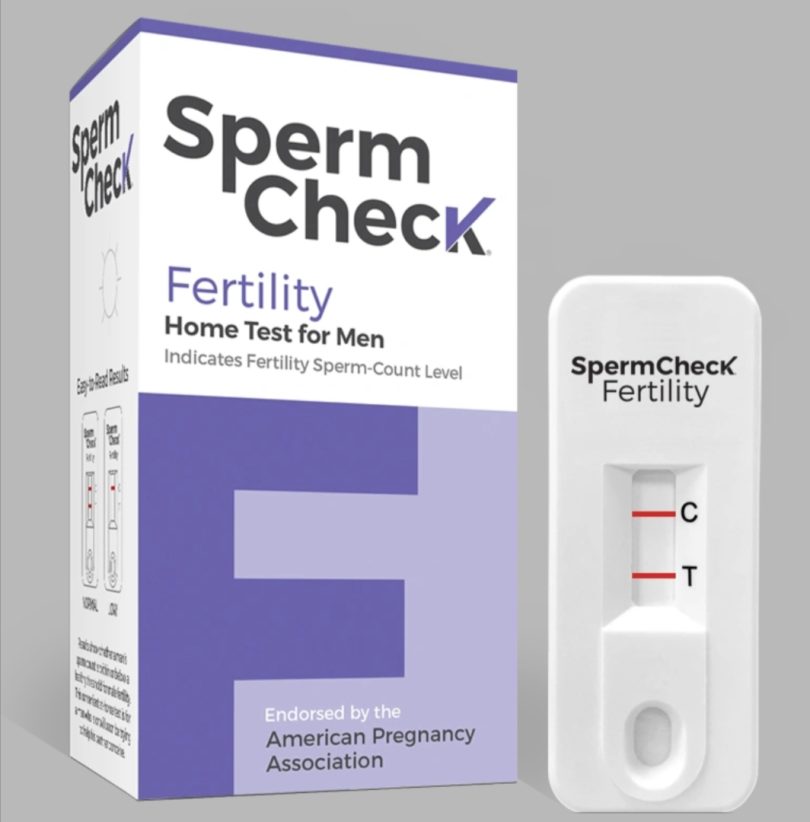

Fertility discussions have traditionally focused on women’s health, but medical research shows that male fertility plays an equally significant role in conception. According to the World Health Organization, male factors contribute to nearly 40–50% of infertility cases worldwide. Because of this, evaluating male reproductive health has become a crucial step for couples planning to start a family.
One of the most reliable diagnostic tools used to assess male fertility is a semen analysis. Traditionally, this test required visiting a clinic or laboratory. However, modern healthcare solutions now offer a semen analysis test at home, making the process more comfortable, private, and accessible.
In many urban environments, healthcare providers have expanded services such as doctor at home visits and doctor on call consultations to include diagnostic procedures like the sperm count test at home. These services help patients address sensitive health concerns while maintaining privacy and convenience.
Providers like Aims Healthcare are part of a growing trend that brings professional medical services directly to patients. By combining expert consultations with at-home diagnostics, they help individuals take proactive steps toward understanding their reproductive health.
Why Male Fertility Testing Is Important
Infertility can be emotionally challenging for couples, especially when the cause remains unknown. Medical professionals typically recommend that both partners undergo evaluation when pregnancy does not occur after a year of trying.
Male fertility testing helps identify issues related to:
- Sperm production
- Sperm movement (motility)
- Sperm structure (morphology)
- Hormonal imbalances
- Infections affecting reproductive health
A sperm count test at home offers a convenient starting point for this evaluation. When results indicate abnormalities, doctors can recommend further diagnostic testing or treatments.
Early testing helps couples make informed decisions about their reproductive options and reduces the stress of prolonged uncertainty.
Understanding a Semen Analysis Test at Home
A semen analysis test at home evaluates several factors related to male fertility. The test measures the quality and quantity of sperm in a semen sample.
Key parameters typically analyzed include:
- Sperm Count – The number of sperm present in the sample
- Motility – How effectively sperm move
- Morphology – The shape and structure of sperm cells
- Volume – The amount of semen produced
- pH Level – The acidity or alkalinity of the semen
Doctors use these measurements to determine whether sperm health falls within normal ranges defined by medical guidelines.
The Growing Demand for At-Home Fertility Testing
Modern lifestyles often leave little time for multiple medical appointments. Many individuals also feel uncomfortable discussing fertility concerns in clinical environments.
This is one reason why services like doctor at home consultations and doctor on call medical visits have become increasingly popular in large cities.
Home-based diagnostic testing offers several advantages:
- Greater privacy for sensitive health concerns
- Reduced travel and waiting times
- Easier scheduling for busy professionals
- Comfortable testing in familiar surroundings
These factors make the sperm count test at home a practical option for individuals who might otherwise delay fertility testing.
How the Test Works
The process for a semen analysis test at home is straightforward and typically involves the following steps:
- Booking the Service
Patients schedule a consultation or test through a healthcare provider. - Home Visit by Medical Staff
A trained healthcare professional may visit the patient’s home if necessary for sample handling or guidance. - Sample Collection
The sample is collected privately by the patient following medical instructions. - Laboratory Analysis
The sample is transported to a certified laboratory where specialists analyze sperm health. - Result Interpretation
Doctors review the results and provide guidance or recommend additional testing if required.
This structured process ensures both privacy and medical accuracy.
Factors That Affect Sperm Health
Male fertility can be influenced by various biological and lifestyle factors. Some of the most common include:
1. Lifestyle Habits
Certain lifestyle choices can significantly affect sperm production and quality.
Examples include:
- Smoking
- Excessive alcohol consumption
- Poor diet
- Lack of physical activity
- Chronic stress
2. Environmental Exposure
Exposure to toxins, chemicals, or radiation may negatively impact sperm development.
3. Medical Conditions
Certain health issues can affect fertility, such as:
- Hormonal imbalances
- Diabetes
- Infections
- Varicocele (enlarged veins in the scrotum)
4. Age
Although men can remain fertile longer than women, sperm quality may decline gradually with age.
Understanding these factors helps patients and doctors interpret results from a sperm count test at home more accurately.
When Should You Consider Fertility Testing?
Doctors may recommend a fertility evaluation in several situations:
- A couple has been trying to conceive for 12 months without success
- Previous reproductive health issues are present
- A history of testicular injury or surgery exists
- Exposure to harmful chemicals or radiation has occurred
- A partner has experienced recurrent pregnancy loss
Scheduling a semen analysis test at home can be a convenient first step toward identifying potential fertility challenges.
Advantages of Combining Home Visits with Diagnostics
Healthcare services are evolving to become more patient-centered. Integrating doctor on call consultations with home-based diagnostic testing allows patients to receive comprehensive care without frequent clinic visits.
Some benefits include:
- Immediate medical guidance after test results
- Easier monitoring of reproductive health
- Reduced anxiety for patients discussing sensitive topics
- Access to professional care without leaving home
Home healthcare providers often coordinate consultations, testing, and follow-ups to streamline the patient experience.
Privacy and Psychological Comfort
Male fertility testing is often associated with emotional stress or social stigma. Many individuals hesitate to seek medical advice because they feel uncomfortable discussing reproductive health in clinical environments.
A semen analysis test at home offers a discreet alternative.
Testing at home allows patients to:
- Maintain confidentiality
- Reduce stress during sample collection
- Feel more comfortable discussing concerns with doctors
Healthcare professionals emphasize that removing these barriers encourages more men to seek timely medical advice.
Expert Insight on Male Fertility Testing
Medical professionals widely recognize the importance of early fertility evaluation.
Dr. James Levine, a reproductive health specialist, notes:
“Male fertility testing should be viewed as a routine health check rather than something to avoid. Early diagnosis often makes treatment significantly easier and more effective.”
This perspective reflects a growing shift toward preventive reproductive healthcare.
The Role of Professional Healthcare Providers
While home testing provides convenience, professional medical guidance remains essential for accurate diagnosis and treatment.
Healthcare providers like Aims Healthcare combine modern diagnostic tools with experienced medical professionals to help patients navigate fertility concerns responsibly.
Professional support ensures that test results are interpreted correctly and followed by appropriate medical recommendations.
Improving Male Fertility Naturally
In many cases, lifestyle improvements can significantly enhance reproductive health.
Doctors often recommend:
- Maintaining a healthy body weight
- Eating a balanced diet rich in antioxidants
- Exercising regularly
- Reducing alcohol and tobacco consumption
- Managing stress effectively
These steps may improve sperm quality and overall reproductive health over time.
The Future of At-Home Fertility Diagnostics
Home healthcare services are expected to expand rapidly in the coming years.
Advancements in medical technology, digital health platforms, and remote monitoring tools are making diagnostics more accessible than ever before.
Experts predict that home-based testing including procedures like the sperm count test at home will become a routine part of preventive healthcare for many individuals.
This shift reflects a broader movement toward healthcare systems that prioritize convenience, privacy, and patient empowerment.
Male fertility plays a crucial role in successful conception, yet it is often overlooked in early reproductive health discussions. A semen analysis remains one of the most effective methods for evaluating male reproductive health and identifying potential challenges.
Services like a semen analysis test at home provide a practical and discreet way for individuals to assess their fertility without the stress of visiting a clinic. When combined with professional consultations such as doctor at home visits or doctor on call services, patients can receive comprehensive care tailored to their needs.
Healthcare providers such as Aims Healthcare are helping make these services more accessible, allowing individuals to address sensitive health concerns with privacy and confidence. By encouraging early testing and informed decision-making, home-based fertility diagnostics are playing an important role in supporting reproductive health for modern families.
Frequently Asked Questions (FAQs)
1. What is included in a semen analysis test at home?
The test evaluates sperm count, motility, morphology, semen volume, and other factors that influence male fertility.
2. How accurate is a sperm count test at home?
When samples are analyzed by certified laboratories and collected according to medical guidelines, the results are considered reliable and medically valid.
3. When should someone consider fertility testing?
Doctors generally recommend testing if a couple has been trying to conceive for one year without success or if there are known reproductive health concerns.
4. Can lifestyle changes improve sperm health?
Yes. Healthy habits such as regular exercise, balanced nutrition, and avoiding harmful substances can improve sperm quality over time.
5. Can a doctor on call help interpret fertility test results?
Yes. A qualified doctor on call or doctor at home consultation can review results, explain their meaning, and recommend further medical steps if necessary.