
A comfortable indoor environment depends on much more than simply heating a home during winter or cooling it throughout summer. Modern climate control systems have evolved into advanced solutions that regulate temperature, improve air quality, reduce humidity, and enhance overall energy efficiency. Whether you own a residential property or manage a commercial building, investing in a reliable heating and cooling system is one of the smartest decisions you can make for long-term comfort and financial savings.
Today’s heating and cooling technology combines innovative engineering with smart controls to deliver consistent performance throughout every season. High-efficiency equipment, programmable thermostats, and advanced filtration systems work together to create healthier indoor spaces while reducing energy consumption. Choosing the right equipment and ensuring professional installation are essential steps toward maximizing system lifespan and minimizing unexpected repairs.
Many property owners underestimate the importance of routine maintenance until their equipment begins showing signs of wear. Regular inspections, timely repairs, and preventive maintenance help extend equipment life while preventing costly emergency breakdowns. A well-maintained system operates more efficiently, keeps utility bills manageable, and provides dependable comfort when it matters most.One of the best ways to ensure long-lasting performance is by working with experienced professionals who understand every aspect of hvac installation, maintenance, and repair. Expert technicians evaluate your property’s specific requirements before recommending solutions that deliver reliable performance while improving indoor comfort and energy efficiency.
Understanding How Modern Heating and Cooling Systems Work
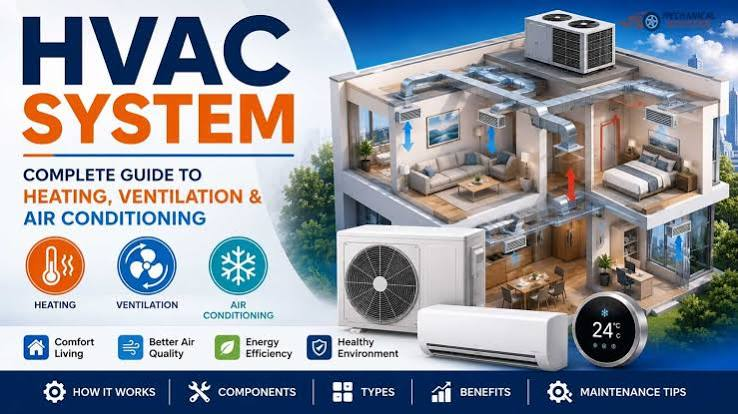
Heating and cooling systems operate by controlling indoor temperature through a combination of mechanical components designed to transfer heat efficiently. During colder months, heating equipment generates warmth and distributes it evenly throughout the building. In warmer seasons, air conditioning systems remove heat from indoor spaces and release it outdoors, creating a cool and comfortable environment.
Although these processes appear simple from the user’s perspective, several components work together behind the scenes. Compressors, evaporator coils, condensers, blowers, thermostats, refrigerant lines, and ductwork all play vital roles in maintaining comfortable indoor conditions. If even one component experiences problems, the entire system may become less efficient or stop functioning altogether.Modern systems are also designed with advanced electronics and smart technology that continuously monitor indoor temperatures, airflow, humidity levels, and energy consumption. These intelligent controls help optimize performance while reducing unnecessary energy usage.Understanding how these systems function helps property owners recognize the importance of professional installation and ongoing maintenance.
Why Professional Installation Makes a Significant Difference
Purchasing high-quality equipment is only part of achieving dependable indoor comfort. Even the most advanced heating and cooling equipment can perform poorly if installation is rushed or completed incorrectly. Professional installation ensures every component operates according to manufacturer specifications while meeting local safety standards.Experienced installers carefully evaluate several factors before recommending equipment, including property size, insulation quality, window placement, ceiling height, ventilation requirements, and occupancy levels. Proper sizing is especially important because oversized units cycle on and off too frequently, while undersized systems struggle to maintain desired temperatures.
Correct installation also includes properly sealing ductwork, calibrating thermostats, verifying refrigerant levels, checking electrical connections, and testing airflow throughout the property. These details significantly influence efficiency, comfort, and equipment longevity.When installation is completed properly, homeowners benefit from quieter operation, improved humidity control, better airflow, reduced repair frequency, and lower monthly energy costs.
Energy Efficiency Has Become a Top Priority
Energy efficiency has become one of the most important considerations when selecting heating and cooling equipment. Rising utility costs encourage homeowners and business owners alike to seek solutions that provide excellent comfort while consuming less electricity or fuel.
Modern high-efficiency equipment incorporates numerous technologies that improve performance without increasing operating expenses. Variable-speed motors automatically adjust airflow based on indoor demand rather than operating at full capacity continuously. Inverter-driven compressors gradually increase or decrease output instead of constantly cycling on and off.Programmable and smart thermostats also contribute significantly to energy savings. These devices learn occupancy patterns and automatically adjust temperature settings when buildings are unoccupied. Some systems can even be controlled remotely using smartphones, allowing users to make adjustments from virtually anywhere.Proper insulation, sealed ductwork, and regular maintenance further improve efficiency by reducing unnecessary energy loss throughout the system.
The Importance of Indoor Air Quality
Indoor air quality has become increasingly important as people spend more time inside homes and workplaces. Heating and cooling systems play a central role in maintaining healthy indoor environments by circulating and filtering air continuously.
Airborne contaminants such as dust, pollen, pet dander, mold spores, bacteria, and other microscopic particles can accumulate indoors over time. Without proper filtration, these pollutants circulate repeatedly throughout the building and may contribute to allergies, respiratory discomfort, and poor overall indoor health.Modern filtration systems capture increasingly smaller airborne particles while allowing adequate airflow. Some advanced systems incorporate ultraviolet light technology to reduce microbial growth inside equipment. Others include electronic air cleaners capable of removing exceptionally fine contaminants from circulating air.
Humidity control is another essential component of indoor air quality. Excess moisture encourages mold growth, while overly dry air may cause skin irritation and respiratory discomfort. Properly functioning heating and cooling systems help maintain balanced humidity levels throughout the year.Improving indoor air quality creates healthier living conditions while protecting furniture, flooring, electronics, and building materials from moisture-related damage.
Preventive Maintenance Protects Your Investment
Every mechanical system experiences gradual wear over time, regardless of how well it was manufactured. Preventive maintenance helps identify developing issues before they become major repairs that interrupt comfort and increase expenses.Routine maintenance appointments typically include inspecting electrical components, tightening loose connections, lubricating moving parts, cleaning evaporator and condenser coils, replacing air filters, testing thermostat accuracy, checking refrigerant levels, evaluating airflow, and verifying overall system performance.These inspections allow technicians to detect minor issues such as worn belts, dirty coils, blocked drainage lines, or weak electrical components before they create more serious failures.
Preventive maintenance also improves overall system efficiency because clean components require less energy to operate. Reduced strain on equipment extends service life while lowering monthly operating costs.Many manufacturers even require documented maintenance to maintain warranty coverage, making routine service beneficial from both operational and financial perspectives.
Common Signs Your System Needs Professional Attention
Heating and cooling equipment often provides warning signs before experiencing complete failure. Recognizing these symptoms early allows repairs to be completed quickly while minimizing inconvenience and expense.One of the most noticeable indicators is inconsistent indoor temperature. Certain rooms may become significantly warmer or cooler than others due to airflow restrictions, duct leaks, thermostat problems, or aging equipment.Unusual noises also deserve immediate attention. Grinding, rattling, squealing, buzzing, or banging sounds often indicate loose components, motor problems, worn bearings, or failing compressors.
Unexpected increases in utility bills may signal declining efficiency caused by dirty filters, clogged coils, refrigerant leaks, or aging mechanical components.Poor airflow, unpleasant odors, excessive humidity, or systems that cycle on and off frequently also suggest that professional evaluation is needed before small issues become major repairs.
Smart Thermostats Are Transforming Climate Control
Technology has significantly changed the way property owners manage indoor comfort. Smart thermostats provide greater control than traditional programmable models by learning daily routines and automatically adjusting temperature settings based on occupancy. Instead of maintaining the same temperature all day, these devices optimize heating and cooling schedules to reduce unnecessary energy use while keeping indoor spaces comfortable.
Many smart thermostats also integrate with mobile applications, allowing users to monitor system performance, receive maintenance reminders, and adjust settings remotely. Detailed energy reports help homeowners identify opportunities to improve efficiency without sacrificing comfort. When paired with a professionally installed hvac system, smart controls can contribute to lower utility costs and a more consistent indoor environment throughout the year.
Repair or Replacement: Making the Right Decision
Every heating and cooling system eventually reaches a point where replacement becomes more cost-effective than repeated repairs. Determining the right time to upgrade depends on several factors, including equipment age, repair frequency, operating costs, and overall performance.If repairs are becoming increasingly common or utility bills continue to rise despite regular maintenance, replacing aging equipment may offer better long-term value. Modern systems deliver improved efficiency, quieter operation, and enhanced comfort while using less energy than older models.
However, replacement is not always necessary. Newer systems with isolated component failures can often be restored through professional repairs. A qualified technician can inspect the equipment, explain the condition of major components, and recommend the most practical solution based on the system’s remaining lifespan and repair costs.
The Value of Seasonal Maintenance
Scheduling maintenance before the peak heating and cooling seasons is one of the most effective ways to prevent unexpected breakdowns. Seasonal inspections prepare equipment for increased demand and allow technicians to correct minor issues before they become expensive repairs.Spring maintenance often focuses on preparing the air conditioning system by cleaning condenser coils, checking refrigerant pressure, inspecting electrical connections, testing airflow, and replacing air filters. Autumn service emphasizes heating components, burners, heat exchangers, ignition systems, and safety controls to ensure dependable performance during colder weather.These routine inspections improve efficiency, reduce wear on moving parts, and provide confidence that the system is ready for continuous operation during extreme temperatures.
Commercial Heating and Cooling Requirements
Commercial properties have climate control needs that differ significantly from residential buildings. Offices, retail stores, warehouses, restaurants, healthcare facilities, and industrial spaces often require larger, more sophisticated systems capable of maintaining consistent temperatures across multiple zones.Commercial equipment must operate efficiently despite extended operating hours and varying occupancy levels. Professional service providers understand these unique demands and offer customized maintenance plans, emergency repair services, equipment upgrades, and system optimization to minimize downtime.Reliable commercial climate control contributes to employee productivity, customer satisfaction, equipment protection, and overall business continuity. Preventive maintenance also reduces the likelihood of unexpected failures that could interrupt operations and create costly disruptions.
Improving Indoor Air Quality Beyond Temperature Control
Heating and cooling systems influence much more than temperature. Advanced indoor air quality solutions help create healthier living and working environments by addressing airborne contaminants and humidity concerns.Whole-home air purifiers remove fine particles that standard filters may miss, while high-efficiency filtration systems capture dust, pollen, pet dander, and other allergens. UV air purification technology can help reduce microbial growth inside the system, supporting cleaner circulating air.Humidity control is equally important. Excess moisture encourages mold growth and can damage wood flooring, furniture, and building materials, while excessively dry air may lead to discomfort and static electricity. Balanced humidity improves comfort and helps protect both occupants and property.Combining effective filtration, humidity management, and proper ventilation results in cleaner indoor air and a more enjoyable indoor environment.
Ductwork Plays a Critical Role in Performance
Even the most advanced heating and cooling equipment cannot perform efficiently if the ductwork is damaged or poorly designed. Ducts distribute conditioned air throughout the building, making them an essential part of the overall system.Leaks, disconnected sections, poor insulation, or accumulated debris reduce airflow and force equipment to work harder than necessary. This increased workload raises energy consumption while creating uneven temperatures between rooms.Professional duct inspections identify hidden issues that may be reducing efficiency. Proper sealing, insulation improvements, and occasional cleaning help restore balanced airflow and improve overall system performance.
Simple Habits That Extend Equipment Life
Property owners can take several simple steps to help their heating and cooling equipment operate efficiently between professional maintenance visits. Replacing air filters regularly prevents airflow restrictions that increase strain on the system. Keeping outdoor units free from leaves, grass clippings, and debris allows proper airflow around the condenser.Maintaining clear supply and return vents ensures conditioned air circulates effectively throughout the building. Avoiding extreme thermostat adjustments also reduces unnecessary stress on equipment by allowing the system to maintain temperatures gradually rather than working continuously to recover from large changes.
Scheduling annual inspections remains one of the most valuable habits because trained technicians can identify developing issues long before they affect comfort or efficiency.
Choosing the Right Service Provider
Selecting a qualified heating and cooling contractor is just as important as choosing quality equipment. Experienced professionals evaluate the property’s heating and cooling requirements, recommend appropriately sized systems, and complete installations according to manufacturer specifications.Reliable service providers also offer transparent estimates, preventive maintenance programs, emergency repair services, and ongoing customer support. Their expertise helps ensure equipment operates safely, efficiently, and reliably throughout its service life.Reading customer reviews, verifying licensing and certifications, and selecting companies with proven experience all contribute to a successful installation or repair experience.
Future Trends in Heating and Cooling Technology
The industry continues to evolve with innovations designed to improve efficiency, sustainability, and user convenience. Variable-speed equipment, inverter technology, smart zoning systems, environmentally friendly refrigerants, and artificial intelligence-driven controls are becoming increasingly common.Future systems are expected to provide even greater energy savings while automatically adjusting performance based on weather conditions, occupancy patterns, and indoor air quality measurements. These advancements will continue helping homeowners and businesses reduce operating costs while improving comfort and environmental responsibility.Investing in modern technology today prepares properties for future improvements while providing immediate benefits through enhanced efficiency and dependable performance.
Conclusion
A dependable climate control system is one of the most valuable investments for any home or commercial property. From professional installation and preventive maintenance to energy-efficient upgrades and indoor air quality improvements, every aspect of system care contributes to long-term comfort, reliability, and lower operating costs.
Working with experienced professionals ensures that every component performs at its best, whether the project involves installation, repairs, maintenance, or complete system replacement. Regular inspections, timely service, and quality workmanship help maximize equipment lifespan while minimizing unexpected breakdowns and costly repairs.Choosing a trusted provider for hvac services means investing in year-round comfort, healthier indoor air, and greater energy efficiency. With proper care and expert support, modern heating and cooling systems can deliver dependable performance for many years while providing the comfort and peace of mind every property owner deserves.