
Packaging plays a critical role in how products are protected, transported, and presented to consumers. Whether a company produces consumer goods, packaged foods, or retail products, the right packaging system ensures that items remain safe, fresh, and organized throughout the supply chain. Businesses that invest in high-quality packaging solutions can reduce product damage, improve logistics efficiency, and strengthen their brand image.
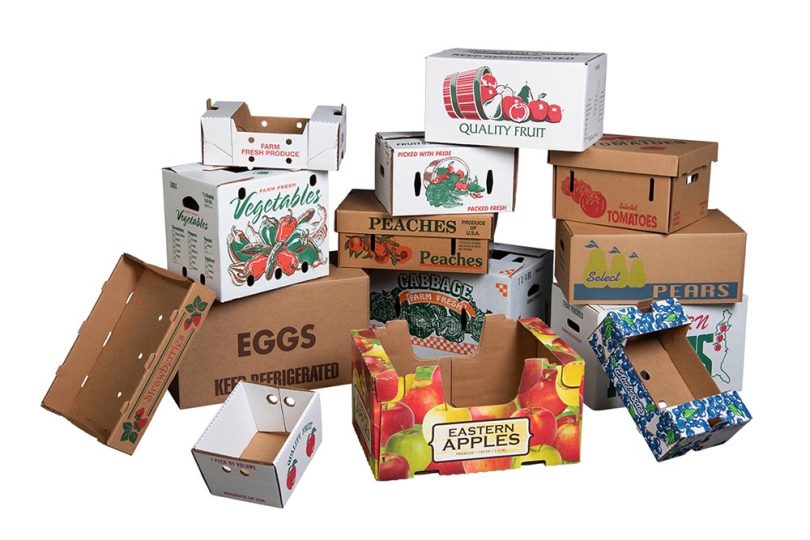
The best packaging solutions combine durability, functionality, and product protection. In particular, food packaging and product packaging must meet specific requirements depending on the type of item being shipped or sold. Food products require packaging that maintains freshness and safety, while general product packaging focuses on protection, organization, and presentation.
Companies across many industries rely on well-designed packaging systems to maintain quality standards and ensure products reach customers in excellent condition.
What Makes the Best Packaging
The best packaging solutions provide reliable protection while supporting efficient transportation and storage. Good packaging prevents damage, contamination, and product loss during shipping and handling. At the same time, it must remain practical for warehouses, retailers, and consumers.
Durability is one of the most important characteristics of strong packaging. Products often travel long distances and pass through several distribution points before reaching their final destination. Packaging materials must withstand vibration, stacking pressure, and frequent handling without compromising the product inside.
Another key feature of effective packaging is consistency. Uniform packaging makes it easier for businesses to organize products on shelves, stack cartons in warehouses, and transport shipments efficiently.
Convenience also plays an important role. Packaging that is easy to open, store, and handle improves the experience for both retailers and consumers. When packaging combines protection with usability, it performs better across the entire supply chain.
Best Practices in Food Packaging
Food packaging must meet strict safety and hygiene standards. Its primary goal is to preserve freshness and protect food products from contamination. Proper packaging ensures that food remains safe and appealing from the time it leaves the production facility until it reaches consumers.
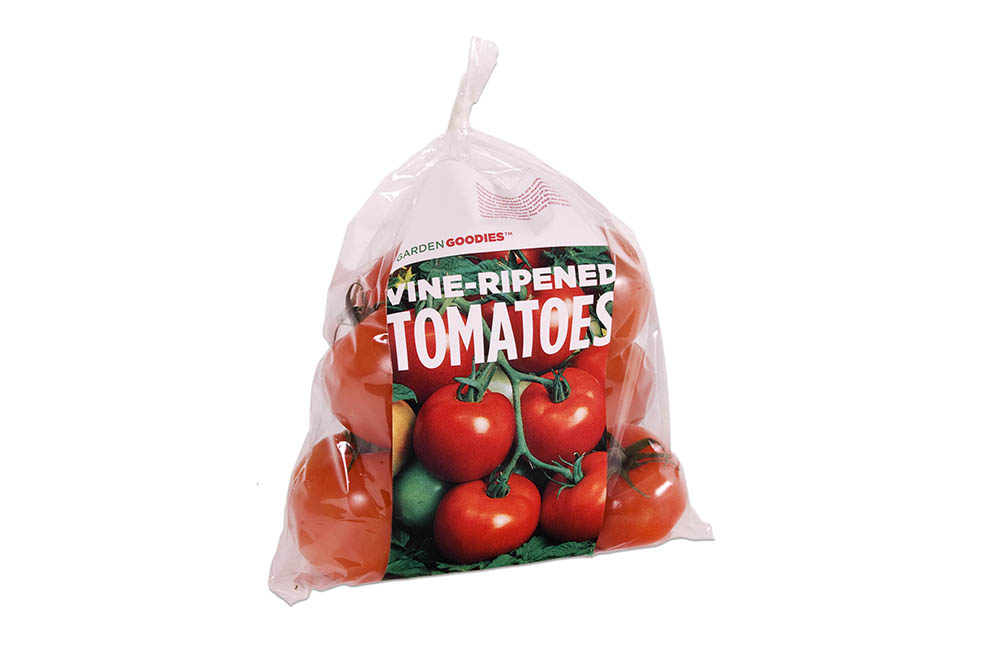
Different types of food require different packaging methods. Fresh foods such as fruits, vegetables, meats, and prepared meals often use sealed trays, containers, or other types of produce packaging that protect the product while maintaining freshness. These packaging systems prevent exposure to air and bacteria while keeping the product visually appealing.
Dry foods such as cereals, grains, and snacks require packaging that protects against moisture and humidity. Laminated films, sealed pouches, and sturdy cartons help preserve the texture and flavor of these products.
Vacuum sealing and modified atmosphere packaging are also widely used in food packaging. These techniques remove oxygen or replace it with protective gases to extend shelf life and reduce spoilage.
Clear labeling is another important aspect of food packaging. Nutritional information, ingredients, and expiration dates must be visible and accurate to ensure consumer safety and regulatory compliance.
Product Packaging and Protection
Product packaging refers to the packaging used for a wide variety of consumer goods, electronics, household products, and retail items. Its primary purpose is to protect products from damage during storage, transportation, and handling.
Strong packaging materials such as corrugated cartons, molded inserts, and protective cushioning help secure products inside the package. These materials absorb shocks and prevent movement during shipping.
For fragile products, custom inserts or foam cushioning may be used to hold items firmly in place. This type of packaging prevents products from shifting or colliding with the sides of the box during transportation.
Product packaging must also be designed to support efficient storage and shipping. Uniform box sizes allow warehouses to stack cartons safely and maximize available storage space. Consistent packaging dimensions also help optimize truck loading and distribution efficiency.
Effective product packaging therefore protects goods while supporting smooth logistics operations.
Packaging and Supply Chain Efficiency
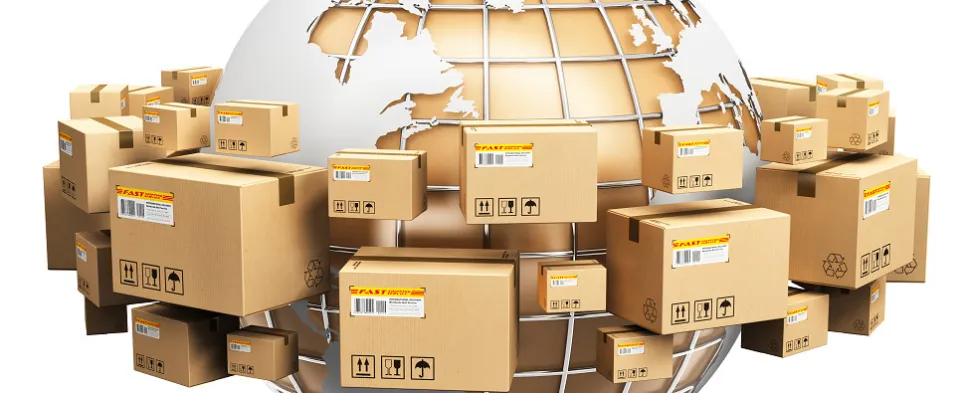
The best packaging solutions help businesses move products quickly and efficiently through the supply chain. From manufacturing facilities to distribution centers and retail locations, packaging must support organized transportation and storage.
Uniform packaging allows products to be grouped into cartons and stacked on pallets for shipping. Palletized shipments make it easier for warehouse workers to move large quantities of products using forklifts and pallet jacks.
Stretch film or shrink wrap is often used to stabilize pallet loads. These materials hold cartons tightly together and prevent boxes from shifting during transportation. Stable pallet loads reduce the risk of product damage and improve warehouse safety.
Efficient packaging systems also help reduce transportation costs. When products are packaged compactly and securely, companies can ship larger quantities in each load while minimizing wasted space.
By improving logistics efficiency, well-designed packaging systems support faster and more reliable distribution.
Packaging and Retail Presentation
Packaging also plays an important role in how products appear to consumers. Retail packaging must protect the product while also presenting it attractively on store shelves.
Strong visual design helps products stand out in competitive retail environments. Colors, branding, and packaging shape can influence purchasing decisions and create a memorable brand identity.
Clear labeling also helps consumers understand the product. For food products, packaging must display ingredients, nutritional information, and expiration dates. For consumer goods, packaging often includes instructions, safety information, and product details.
Convenience features such as resealable packaging, easy-open containers, and portion-sized packaging also enhance the consumer experience. These features make products easier to use while maintaining product quality.
Packaging therefore serves both functional and marketing purposes in the retail environment.
Sustainability in Packaging
Environmental responsibility has become an important priority in the packaging industry. Many companies are adopting sustainable packaging practices that reduce waste while maintaining product protection.
Recyclable materials such as corrugated cardboard, paper-based packaging, glass containers, and aluminum cans are widely used across many industries. These materials can be reused and processed after disposal, helping reduce landfill waste.
Lightweight packaging materials also contribute to sustainability. By reducing packaging weight, companies can lower transportation emissions and improve fuel efficiency during shipping.
Some businesses are also exploring biodegradable and compostable packaging materials. These innovative materials break down naturally and provide environmentally friendly alternatives to traditional packaging.
Sustainable packaging solutions allow businesses to balance environmental goals with reliable product protection.
Technology and Innovation in Packaging
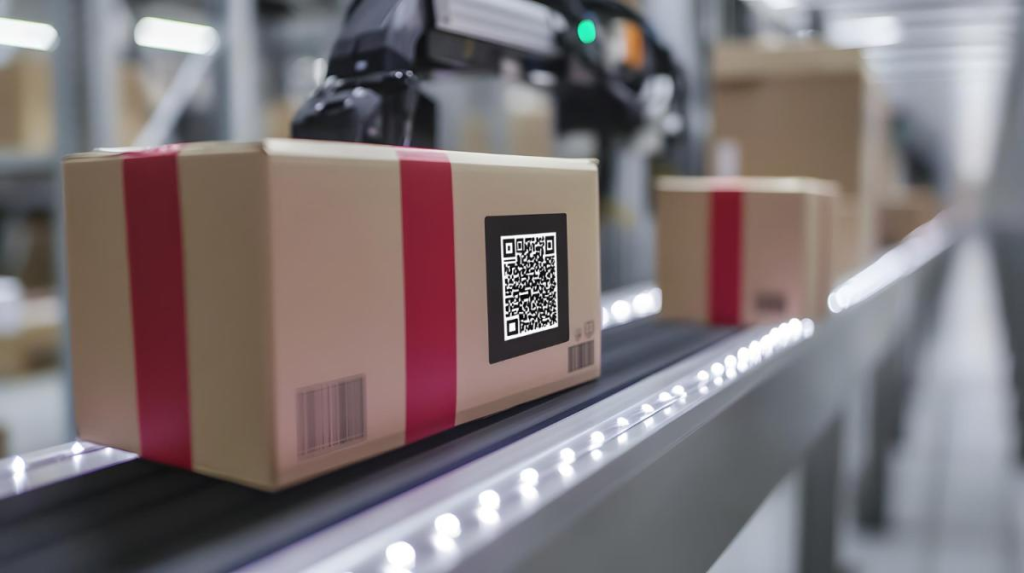
Advances in packaging technology continue to improve how products are protected and distributed. Automation plays a major role in modern packaging operations, allowing manufacturers to package products quickly and consistently.
Automated packaging systems can fill, seal, label, and palletize products at high speeds. These systems improve efficiency while maintaining consistent packaging quality.
Material innovation is also shaping the future of packaging. New barrier films and advanced packaging materials help extend shelf life, improve durability, and reduce waste.
Smart packaging technologies are beginning to emerge as well. Some packaging systems now include sensors that monitor temperature, freshness, or product conditions during transportation.
These innovations help businesses maintain product quality while improving supply chain visibility and efficiency.
The Future of Food and Product Packaging
As consumer expectations evolve, packaging systems will continue to improve. Businesses are increasingly focusing on packaging solutions that combine protection, sustainability, and convenience.
Future packaging materials will likely become lighter, stronger, and more environmentally friendly. Companies will continue developing recyclable and reusable materials that reduce waste without compromising durability.
Automation and digital technologies will also help businesses optimize packaging performance and improve logistics operations.
Despite these advancements, the fundamental purpose of packaging will remain the same. The best food packaging and product packaging solutions must protect products, preserve quality, and ensure safe delivery from manufacturers to consumers.
Companies that invest in reliable packaging systems position themselves for long-term success. With the right packaging strategies in place, businesses can protect their products, improve efficiency, and deliver a positive experience for customers at every stage of the supply chain.