
Why Renting Forklifts Makes Sense for Modern Businesses
Efficient material handling is one of the most important elements of successful industrial and commercial operations. Warehouses, manufacturing facilities, construction projects, retail distribution centers, and logistics companies all rely on dependable equipment to move heavy loads safely and efficiently. Forklifts have become indispensable because they improve productivity, reduce manual labor, and help businesses complete demanding tasks with greater accuracy. However, purchasing this equipment is not always the most practical solution, especially for companies with temporary projects, seasonal demands, or changing operational requirements.
Choosing forklift rentals allows businesses to gain access to reliable equipment without making a significant capital investment. Renting offers flexibility, lower financial risk, and the ability to select equipment that matches specific job requirements. Instead of worrying about ownership costs such as maintenance, storage, repairs, and depreciation, businesses can focus on completing projects efficiently while using professionally maintained machinery.
Companies of every size benefit from rental services because they provide access to modern forklifts equipped with the latest safety features and performance improvements. Whether a business needs equipment for a few days, several months, or an extended project, renting provides a cost-effective solution that supports productivity while maintaining financial flexibility.
The Financial Advantages of Renting Instead of Buying
Purchasing industrial equipment requires a considerable investment that may not always provide the best return, particularly for businesses with fluctuating workloads. Along with the purchase price, ownership includes ongoing expenses such as preventive maintenance, repairs, replacement parts, insurance, inspections, operator training, and equipment storage. These costs can increase significantly over time.
Renting eliminates many of these financial responsibilities by allowing businesses to pay only for the equipment they actually need. This helps preserve working capital for other important investments such as expanding operations, purchasing inventory, hiring employees, or improving facilities. Companies avoid large upfront expenditures while still having access to dependable lifting equipment whenever projects require additional support.
Another financial advantage is avoiding depreciation. Industrial equipment gradually loses value over time, and owners must eventually replace aging machinery. Rental equipment removes this concern because businesses always have access to well-maintained machines without carrying the long-term burden of ownership.
Selecting the Right Forklift for Different Applications
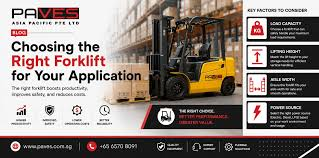
Every project has unique material handling requirements, making equipment selection an important part of operational success. Choosing the correct forklift depends on several factors, including load capacity, lifting height, operating environment, aisle width, surface conditions, and the type of materials being transported.
Electric forklifts are ideal for indoor operations where quiet performance and zero exhaust emissions are important. Warehouses, food processing facilities, manufacturing plants, and retail distribution centers often use electric models because they provide efficient operation while maintaining cleaner indoor air quality. Their compact design also makes them suitable for navigating narrow aisles and confined workspaces.
Internal combustion forklifts powered by propane, diesel, or gasoline are designed for demanding outdoor environments. Construction sites, lumber yards, industrial facilities, and shipping operations frequently rely on these powerful machines because they can handle heavier loads and perform effectively on rough terrain. Understanding operational needs ensures businesses select equipment that delivers maximum efficiency while maintaining workplace safety.Businesses looking for dependable lifting equipment can explore forklift rentals to find solutions designed for a wide variety of industries and project requirements. Choosing the appropriate equipment improves workflow while helping organizations complete projects safely and efficiently.
Supporting Warehouse and Distribution Operations
Warehouses depend heavily on forklifts to keep inventory moving smoothly throughout every stage of operation. Products must be unloaded, organized, stored, retrieved, and prepared for shipment quickly to maintain productivity and satisfy customer expectations. Forklifts allow employees to perform these tasks safely while minimizing physical strain and reducing unnecessary delays.
Rental equipment provides warehouses with the flexibility to increase capacity during busy seasons when inventory levels rise significantly. Holiday demand, promotional campaigns, and unexpected increases in orders often require additional material handling equipment for limited periods. Renting enables facilities to respond quickly without investing in equipment that may remain unused during slower months.Efficient forklift operation also improves warehouse organization by making it easier to maximize vertical storage space. Proper stacking and inventory management contribute to faster order fulfillment, better inventory accuracy, and improved workflow throughout the facility.
Helping Construction Projects Stay on Schedule
Construction projects require reliable equipment capable of moving heavy building materials efficiently across constantly changing job sites. Forklifts assist with transporting lumber, steel, concrete products, roofing materials, pallets of supplies, and numerous other construction essentials. Without dependable lifting equipment, manual handling becomes slower, more labor-intensive, and significantly less efficient.Rental services provide contractors with the flexibility to obtain equipment specifically suited to each phase of a project. Since construction schedules often change, renting allows companies to adjust equipment availability without making permanent purchases. Contractors can select machines with the lifting capacity, height, and durability needed for each project while controlling equipment costs.Reliable forklifts also contribute to improved safety by reducing manual lifting and allowing materials to be transported more accurately. Efficient material movement helps crews stay productive while keeping projects on schedule.
Improving Safety Through Proper Equipment Selection
Safety should always remain a priority whenever forklifts are used in industrial environments. Choosing equipment that matches the intended application reduces unnecessary risks while improving operational efficiency. Every forklift has specific load limitations, operating guidelines, and safety features that operators must understand before beginning work.
Proper operator training is essential for preventing accidents. Employees should know how to inspect equipment before use, understand load capacities, maintain safe travel speeds, and follow workplace traffic procedures. Safe operating habits protect both workers and valuable inventory while reducing the likelihood of costly incidents.Routine inspections are equally important. Tires, brakes, hydraulic systems, steering components, forks, warning lights, and safety devices should all be examined before operation. Rental providers typically maintain their equipment according to strict maintenance schedules, giving businesses confidence that the machinery is prepared for dependable performance.
Flexibility That Supports Business Growth
Business demands rarely remain constant throughout the year. Seasonal sales increases, temporary contracts, facility expansions, and special projects often create the need for additional equipment on short notice. Renting forklifts gives businesses the flexibility to adapt quickly without committing to permanent equipment purchases.Organizations experiencing rapid growth can also use rental equipment while evaluating future operational needs. Instead of purchasing machinery immediately, companies can test different forklift models and capacities to determine which options best support long-term objectives. This approach reduces financial risk while providing valuable operational experience before making significant capital investments.Rental services continue to be one of the most practical solutions for businesses seeking dependable equipment, greater financial flexibility, and improved operational efficiency across a wide range of industries.
Reducing Downtime With Reliable Rental Equipment
Equipment downtime can quickly affect productivity, increase labor costs, and delay important projects. When forklifts experience mechanical problems or require unexpected repairs, businesses may struggle to meet production schedules and customer deadlines. Renting professionally maintained equipment minimizes these risks because rental providers regularly inspect and service their fleets to ensure dependable performance.Well-maintained forklifts allow employees to complete material handling tasks with confidence while reducing interruptions caused by equipment failures. Instead of spending valuable time coordinating repairs or waiting for replacement parts, businesses can continue operating efficiently using reliable machinery that is ready for immediate use. This dependable performance is especially valuable for industries where productivity directly impacts profitability.
Choosing the Best Rental Plan for Your Needs
Every business has different operational goals, making it important to choose a rental plan that matches project requirements. Some organizations only need equipment for a few days during facility maintenance or inventory relocation, while others may require forklifts for several months to support construction projects or warehouse expansions.Before selecting a rental agreement, companies should evaluate how frequently the equipment will be used, the expected operating conditions, and the maximum lifting capacity required. Understanding these factors helps businesses select machinery that delivers reliable performance without paying for unnecessary features or oversized equipment.Rental providers often offer flexible options that make it easier to adjust equipment as business needs change. This flexibility helps companies respond to increased workloads while maintaining better control over operating expenses.
Industries That Benefit From Forklift Rental Services
Forklifts are used in many industries because they simplify the movement of heavy materials and improve workplace efficiency. Warehousing and logistics companies rely on forklifts for inventory management, shipping, receiving, and order fulfillment. Manufacturing facilities use them to transport raw materials, production components, and finished goods throughout the production process.Construction contractors depend on forklifts to move heavy building materials safely around active job sites. Retail distribution centers use them to unload trucks, organize inventory, and prepare shipments for customers. Agricultural businesses, wholesale suppliers, equipment dealers, and event management companies also benefit from temporary access to lifting equipment whenever additional capacity is required.Because operational needs vary throughout the year, forklift rentals provide businesses with an efficient way to increase productivity without making long-term equipment investments.
Maximizing Equipment Performance
Businesses can achieve better results by following best practices during forklift operation. Operators should receive proper training, follow manufacturer recommendations, and perform routine inspections before every shift. Safe operation not only protects employees but also helps extend equipment life and improve overall efficiency.Work areas should remain organized to reduce unnecessary travel and improve material flow. Clearly marked pathways, properly stacked inventory, and designated loading areas allow forklifts to operate more efficiently while minimizing the risk of workplace accidents. Planning material movement in advance also helps reduce delays and improves workflow throughout the facility.Regular communication between operators and supervisors further enhances productivity by ensuring equipment is used where it provides the greatest value. Efficient scheduling prevents unnecessary idle time while supporting continuous operations.
Why Professional Support Makes a Difference
Working with an experienced equipment provider offers benefits beyond simply renting a forklift. Professional providers understand the unique requirements of different industries and can recommend forklift rentals that match specific operational needs. Their knowledge helps businesses select machines with the appropriate lifting capacity, fuel type, and performance characteristics for each project. Reliable customer support also ensures businesses receive assistance if equipment requirements change during a project. Whether additional forklifts are needed or a different model becomes more suitable, professional providers help companies adapt quickly while maintaining operational efficiency. Businesses also gain confidence knowing that rental equipment has been serviced according to industry standards. This commitment to quality reduces downtime and allows organizations to focus on completing projects successfully.
Conclusion
Efficient material handling is essential for maintaining productivity, improving workplace safety, and supporting business growth. Forklifts remain one of the most valuable pieces of equipment used across warehouses, construction sites, manufacturing facilities, and distribution centers because they simplify the movement of heavy materials while increasing operational efficiency.Choosing rental equipment allows businesses to access dependable machinery without the financial commitment of ownership. Lower upfront costs, reduced maintenance responsibilities, operational flexibility, and access to modern equipment make renting an attractive solution for organizations of every size. By selecting the right equipment, following proper safety practices, and partnering with a trusted rental provider, businesses can improve workflow while controlling costs and adapting to changing operational demands.