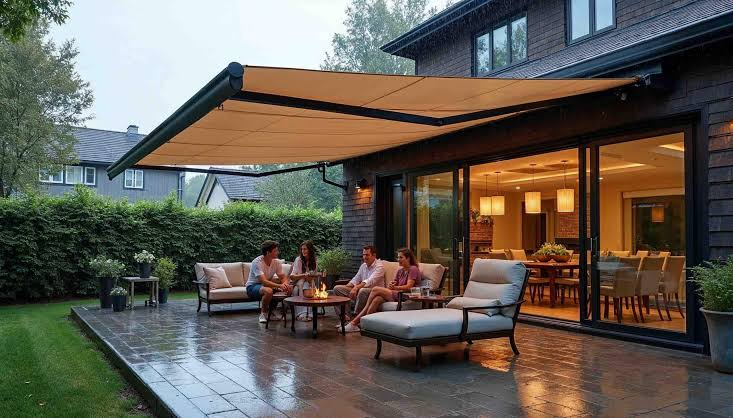

Outdoor living spaces have become an important extension of modern homes and commercial properties. People increasingly look for ways to make patios, balconies, terraces, gardens, and outdoor entertainment areas more comfortable and functional throughout the year. One of the most effective solutions for improving outdoor environments is installing a flexible shading system that provides protection from sunlight, light rain, and changing weather conditions. Among the many options available, Retractable Awnings have gained significant popularity because they combine convenience, aesthetic appeal, and practical performance in one versatile solution.
A well-designed outdoor shading system does more than simply block sunlight. It creates a comfortable environment where people can relax, entertain guests, enjoy meals, or spend quality time outdoors without being exposed to excessive heat or glare. Unlike permanent structures that remain fixed in one position, retractable systems allow users to control the amount of shade they need. This flexibility makes them suitable for different seasons, weather conditions, and personal preferences.
The increasing demand for energy-efficient and space-enhancing solutions has contributed to the popularity of retractable shading products. Homeowners and business owners are discovering that outdoor areas can become more valuable and enjoyable when properly protected from harsh weather conditions. By reducing direct sunlight exposure, these systems can also help lower indoor temperatures by limiting heat transfer through nearby windows and doors.
Understanding the features, advantages, installation considerations, maintenance requirements, and long-term benefits of retractable shading solutions helps property owners make informed decisions. A properly selected and professionally installed awning can improve outdoor comfort while adding visual appeal and functional value to a property.
Understanding Retractable Awning Systems
A retractable awning is a flexible covering system designed to extend and retract according to the user’s requirements. Unlike traditional fixed shades, retractable models provide adjustable protection, allowing users to enjoy direct sunlight when desired or create shade when temperatures rise.
These systems generally consist of a durable fabric or synthetic material attached to a supporting frame. The frame mechanism allows the awning to roll or fold away when not in use. Depending on the design, operation can be manual through a hand crank or automated using an electric motor controlled by a remote, wall switch, or smart home system.
The materials used in modern awnings are engineered to withstand outdoor conditions while maintaining appearance and performance. High-quality fabrics are often treated to resist fading, moisture absorption, mold development, and damage caused by ultraviolet radiation. Strong aluminum or corrosion-resistant frames provide stability while keeping the overall structure lightweight.
The ability to adjust coverage makes retractable awnings different from many permanent shade solutions. Users can extend the awning during hot afternoons, retract it during pleasant weather, and store it safely during storms or extended periods of non-use.
Benefits of Installing a Retractable Awning
One of the biggest advantages of retractable awnings is the improvement they provide to outdoor comfort. Direct sunlight can make outdoor spaces uncomfortable, especially during warmer months. By creating a shaded area, an awning allows people to spend more time outside without dealing with excessive heat and glare.
Another important benefit is protection from ultraviolet radiation. Continuous exposure to strong sunlight can affect outdoor furniture, flooring, decorations, and other materials. A retractable awning helps reduce this exposure, extending the lifespan of outdoor investments and preserving their appearance.
Energy efficiency is another reason many property owners choose these systems. When installed near windows, doors, or exterior walls, awnings can reduce the amount of solar heat entering a building. This may decrease the workload on cooling systems and contribute to lower energy consumption during hot weather.
Retractable awnings also add flexibility because they can be adjusted based on changing conditions. A fixed roof or permanent shade structure provides constant coverage, but it cannot adapt to different preferences. Retractable designs allow users to control when and how much shade is provided.
Additionally, these systems enhance the appearance of outdoor areas. Available in various colors, patterns, materials, and designs, awnings can complement architectural styles while creating a more attractive and inviting environment.
Types of Retractable Awning Designs
Retractable awnings are available in several designs to accommodate different applications and preferences. Understanding the available options helps property owners select a system that meets their specific requirements.
Manual retractable awnings are operated using a hand crank mechanism. They are often chosen because they are simple, reliable, and cost-effective. These systems do not require electrical connections and can provide excellent performance when properly maintained.
Motorized retractable awnings offer greater convenience by allowing users to extend or retract the covering with minimal effort. Many modern motorized systems include remote controls, timers, wind sensors, and integration with smart home technology.
Freestanding retractable awnings provide shading solutions for areas where wall attachment is not possible. These systems are suitable for gardens, outdoor seating areas, poolside spaces, and open recreational environments.
Window and door awnings are designed specifically to reduce sunlight entering interior spaces. They can improve indoor comfort while adding an attractive exterior feature to buildings.
Regardless of the design selected, choosing a high-quality system with appropriate materials and professional installation ensures better performance and durability.
Material Quality and Durability Considerations
The performance of an awning depends heavily on the quality of its materials. Outdoor products must withstand exposure to sunlight, moisture, wind, temperature changes, and general environmental conditions.
Acrylic fabrics are commonly used because they provide excellent color retention and resistance to fading. These fabrics are designed to maintain their appearance even after prolonged exposure to sunlight.
Polyester materials are another option and are often valued for their strength and affordability. When properly treated, polyester fabrics can provide reliable resistance against moisture and ultraviolet exposure.
The frame material also plays an important role in durability. Aluminum is frequently selected because it is lightweight, strong, and naturally resistant to corrosion. Powder-coated finishes can provide additional protection while improving appearance.
The quality of mechanical components, including hinges, arms, brackets, and motors, also affects long-term reliability. Choosing products from reputable manufacturers and ensuring proper installation can significantly improve the lifespan of the system.
A durable awning is not only a short-term improvement but also a long-term investment that can enhance outdoor functionality for many years.
Installation Process and Important Factors
Proper installation is essential for achieving the best performance from a retractable awning. Before installation begins, professionals evaluate the available space, wall structure, mounting requirements, and intended use.
The supporting surface must be strong enough to handle the weight and movement of the awning system. Incorrect mounting can create safety concerns and reduce the lifespan of the product.
Professionals also consider the ideal height, extension distance, and angle of installation. Proper positioning ensures effective shade coverage while allowing rainwater to drain away efficiently.
For motorized systems, electrical connections must be installed safely according to applicable standards. Smart features, sensors, and automation options should also be configured correctly to ensure smooth operation.
Professional installation reduces the risk of mechanical problems and ensures that the awning performs as intended. A properly installed system provides better stability, improved appearance, and increased long-term reliability.
Maintenance Practices for Long-Term Performance
Although retractable awnings are designed for outdoor use, regular maintenance helps preserve their appearance and functionality. Proper care prevents unnecessary wear and extends the operational life of the system.
Cleaning the fabric periodically removes dust, dirt, leaves, and other debris that may accumulate over time. Mild cleaning solutions and soft brushes are usually recommended to avoid damaging protective coatings.
The frame and mechanical components should also be inspected regularly. Checking screws, brackets, joints, and moving parts helps identify potential issues before they become serious problems.
During extreme weather conditions, retracting the awning can provide additional protection. Strong winds, heavy storms, and excessive snow loads may place unnecessary stress on the structure.
Motorized systems may require occasional inspection of electrical components and sensors. Keeping the mechanism clean and functioning properly ensures smooth operation.
Consistent maintenance not only improves appearance but also protects the investment made in the shading system.
Improving Outdoor Spaces With Functional Design
Outdoor spaces have become increasingly valuable areas for relaxation, entertainment, and social activities. A thoughtfully designed exterior environment can significantly improve the overall experience of a property.
Retractable shading systems contribute to this goal by creating comfortable areas that can be adapted to different situations. A shaded patio can become an outdoor dining area, a relaxing lounge, or an additional entertainment space.
Businesses can also benefit from improved outdoor environments. Restaurants, hospitality facilities, and retail spaces often use outdoor areas to attract customers and provide additional seating options.
The visual impact of an awning should also be considered. Modern designs allow property owners to choose styles that complement existing architecture rather than appearing as separate additions.
By combining practicality with design appeal, retractable systems help transform ordinary outdoor areas into functional and attractive spaces.
Comparing Retractable Awnings With Permanent Shade Structures
When choosing an outdoor shading solution, property owners often compare retractable systems with permanent structures such as pergolas, roofs, or fixed covers.Permanent structures provide consistent coverage but lack flexibility. Once installed, they cannot easily be adjusted based on weather conditions or personal preferences.
Retractable systems offer greater control because users decide when the shade is needed. This adaptability makes them suitable for changing weather patterns and different outdoor activities.Additionally, retractable options often require less structural modification compared with large permanent additions. They can provide similar comfort benefits while maintaining a more open outdoor atmosphere.
The best choice depends on factors such as budget, design goals, usage requirements, and maintenance preferences.
Cost Factors and Long-Term Value
The cost of a retractable awning depends on several factors, including size, materials, operating mechanism, customization options, and installation requirements.
Manual systems generally have lower upfront costs, while motorized models offer additional convenience through automated operation. Premium materials and advanced features may increase the initial investment but can provide improved durability and user experience.
When evaluating cost, property owners should consider long-term value rather than focusing only on the purchase price. Energy savings, improved outdoor usability, furniture protection, and increased property appeal can contribute to the overall return on investment.A high-quality awning installed correctly can provide years of reliable service, making it a valuable addition to many properties.
Choosing the Right Awning Solution
Selecting the right awning requires careful consideration of space requirements, weather conditions, design preferences, and intended usage. Property owners should evaluate how often the system will be used, how much coverage is needed, and what features are most important.
Working with experienced professionals can simplify the selection process. Experts can recommend suitable materials, designs, and installation methods based on specific needs.
Quality should remain a priority because cheaper products may not provide the same durability, appearance, or performance as professionally designed systems.
Investing in a reliable shading solution ensures better satisfaction and long-term benefits.
Conclusion
Outdoor comfort has become an important aspect of modern property design, and retractable shading systems provide an effective way to improve outdoor living spaces. With their adjustable coverage, attractive designs, energy-saving potential, and protective benefits, these systems offer a practical solution for homeowners and businesses seeking greater flexibility.
From enhancing patios and terraces to protecting furniture and reducing heat exposure, Retractable Awnings provide multiple advantages that extend beyond simple shade creation. Proper material selection, professional installation, and regular maintenance ensure that the system continues performing effectively for years.
As outdoor spaces continue to gain importance, investing in a reliable shading solution can improve comfort, functionality, and property value. By combining modern technology with thoughtful design, retractable awnings represent a smart approach to creating adaptable and enjoyable outdoor environments.