
Why Choosing the Right Water Heating System Matters
A reliable hot water supply is an essential part of every modern property. From morning showers and cleaning tasks to cooking and daily household activities, hot water plays an important role in maintaining comfort and convenience. Traditional water heaters have been used for many years, but changing energy needs and advancements in technology have encouraged many homeowners to explore more efficient alternatives. A properly designed water heating system can improve performance, reduce energy waste, and provide a more dependable supply of hot water.
Many property owners are now looking for solutions that offer better efficiency without sacrificing comfort. Older water heaters often store large amounts of water continuously, which can result in unnecessary energy consumption. Over time, this approach may increase utility expenses and create challenges related to maintenance, limited hot water availability, and system wear. Modern water heating technology focuses on heating water only when it is needed, creating a more practical and energy-conscious solution.
A professional installation and proper system selection are important factors in achieving long-term performance. Every property has different water usage patterns, plumbing layouts, and hot water demands. Working with experienced professionals helps ensure that the selected system is correctly sized, installed properly, and maintained according to manufacturer recommendations.
How Modern Water Heating Technology Works
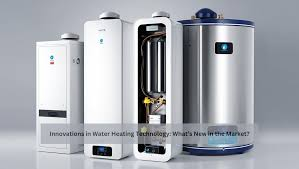
Advanced water heating systems are designed to provide hot water efficiently by using innovative heating methods. Unlike conventional storage units that keep a large tank of water heated throughout the day, newer systems operate differently by responding directly to demand. When a hot water tap is turned on, the system activates and quickly heats the water as it passes through the unit.
This on-demand operation helps reduce energy loss because the system does not need to constantly maintain the temperature of stored water. The result is improved efficiency, better temperature control, and a more consistent supply of hot water for different household needs. This technology is especially beneficial for families that want reliable performance while reducing unnecessary energy usage.
The internal components of these systems are designed to provide fast heating and dependable operation. High-quality heating elements, advanced controls, and safety features work together to maintain comfort and protect the equipment. With proper installation, these systems can deliver years of reliable service while requiring less space compared to traditional tank-style models.
Key Advantages of Installing an Efficient Water Heating System
One of the biggest advantages of upgrading to a modern water heating solution is improved energy efficiency. Traditional systems frequently use energy to keep stored water hot even when nobody is using it. This process creates standby heat loss, which means energy is consumed without providing immediate benefits. A demand-based system eliminates much of this waste by heating water only when required.
Another important benefit is the availability of continuous hot water. Families often experience situations where stored hot water runs out during busy periods. This can be frustrating, especially when multiple people need hot water within a short time. A properly installed system provides a more consistent supply, helping households manage daily activities with greater convenience.
Space savings are also a valuable advantage. Traditional water heaters usually require a large storage tank, which can take up significant room in utility areas, basements, or garages. Modern compact designs allow more flexibility during installation and can free up valuable space for other purposes.For homeowners interested in upgrading their current system, installing a professional-grade tankless water heater can provide an efficient way to improve hot water performance while supporting long-term energy savings. Professional technicians can evaluate existing plumbing conditions, recommend the right equipment, and complete the installation process according to safety standards.
Important Factors Before Installation
Before replacing an existing water heater, several important factors should be considered. Proper sizing is one of the most critical parts of the process. A system that is too small may struggle to meet household demand, while an oversized unit may lead to unnecessary costs. Professionals evaluate factors such as the number of occupants, number of bathrooms, appliance usage, and peak hot water requirements.The available energy source is another important consideration. Different systems may operate using electricity, natural gas, or other fuel options. Understanding the existing infrastructure helps determine which model will provide the best performance and efficiency for a specific property.Water quality can also affect system performance. Hard water minerals and sediment buildup may impact internal components over time. Regular maintenance and appropriate water treatment solutions can help protect the system and extend its operational lifespan.Proper ventilation and installation location must also be evaluated. Gas-powered units require appropriate ventilation to operate safely, while electric models need suitable electrical capacity. Professional installation ensures that all safety requirements are followed and that the system performs efficiently from the beginning.
The Importance of Professional Installation Services
While modern water heating systems are designed for efficiency and convenience, installation quality plays a major role in overall performance. Incorrect installation can lead to reduced efficiency, frequent problems, and possible safety concerns. Professional technicians have the experience and tools needed to complete the work correctly.During installation, experts inspect existing connections, evaluate system requirements, and make necessary adjustments to support proper operation. They also ensure that temperature settings, water flow rates, and safety controls are correctly configured. This attention to detail helps prevent future problems and improves reliability.Professional service also provides peace of mind because trained technicians understand local building standards, manufacturer guidelines, and industry best practices. A properly installed system is more likely to deliver consistent performance and require fewer repairs over its lifetime.
Maintaining Your Water Heating System for Long-Term Performance
Regular maintenance is essential for keeping any water heating system operating efficiently. Although modern systems are designed with advanced technology and durable components, routine care helps prevent performance issues and extends equipment life. Neglecting maintenance can result in reduced efficiency, inconsistent water temperatures, and unnecessary repair expenses over time.One important maintenance task is inspecting the internal components for mineral buildup. In areas with hard water, minerals can accumulate inside the heating system and affect water flow and heating performance. Professional cleaning and flushing services help remove deposits and allow the system to operate more effectively. Scheduling regular maintenance ensures that small issues are identified before they become larger problems.Another important step is checking filters, connections, and safety controls. These components help maintain proper operation and protect the system from damage. A qualified technician can inspect each part, make necessary adjustments, and confirm that the unit is functioning according to recommended standards.Routine maintenance also improves energy efficiency. When components are clean and working correctly, the system does not need to work harder to provide hot water. This helps maintain performance while reducing unnecessary energy consumption. Investing in preventive service is often more affordable than dealing with major repairs caused by neglect.
Common Problems That Can Affect Water Heating Performance
Even high-quality water heating systems may experience occasional issues if they are not properly maintained. Understanding common problems can help homeowners recognize warning signs and seek professional assistance before the situation becomes more serious.One common issue is inconsistent water temperature. If water becomes too hot, too cold, or changes frequently during use, there may be problems with system settings, water flow, or internal components. Professional inspection can identify the cause and restore reliable performance.Mineral buildup is another frequent concern, especially in homes with hard water. Over time, deposits can reduce heating efficiency and restrict water movement through the system. Regular cleaning and water treatment solutions can minimize these effects and help protect the equipment.
Reduced water pressure may also affect performance. Blocked filters, plumbing issues, or improper installation can contribute to lower flow rates. A professional technician can evaluate the complete system and determine the most effective solution.Unusual noises, error codes, or frequent shutdowns should not be ignored. These signs may indicate mechanical problems or the need for professional adjustment. Addressing issues early can prevent expensive repairs and maintain the reliability of the system.
Comparing Modern Systems With Traditional Water Heaters
When considering an upgrade, many homeowners compare modern water heating solutions with traditional storage tank models. Both options have advantages, but their performance characteristics are different.Traditional water heaters store a specific amount of heated water inside a tank. While this design has been common for decades, it can create limitations because the available hot water depends on tank capacity. Once the stored supply is used, homeowners may need to wait for additional water to heat.Modern on-demand systems provide hot water as needed, reducing the concern of running out during peak usage periods. Their compact design, improved efficiency, and ability to provide continuous hot water make them an attractive option for many properties.
Another difference is energy usage. Storage systems often consume energy throughout the day to maintain water temperature, even when hot water is not being used. More efficient systems reduce this standby energy loss by operating only when there is a demand for hot water.The best choice depends on household needs, budget considerations, and existing plumbing conditions. Consulting with experienced professionals helps homeowners determine which option provides the greatest value for their specific situation.
Improving Home Efficiency With Better Water Heating Solutions
Energy efficiency has become an important priority for many property owners. Rising utility costs and increased awareness of environmental impact have encouraged homeowners to invest in systems that provide better performance while using fewer resources.A properly selected water heating system can contribute to overall household efficiency by reducing wasted energy and improving daily comfort. When combined with other energy-saving improvements, such as efficient appliances and proper insulation, modern water heating technology can support a more sustainable home environment.
Improved efficiency does not only benefit monthly expenses but also enhances convenience. Having reliable hot water available when needed creates a more comfortable living experience for families. Whether it is taking showers, washing dishes, or completing household cleaning tasks, consistent performance makes daily routines easier.Professional installation and regular servicing are key parts of maintaining these benefits. A quality system can provide excellent results, but only when it is correctly installed and properly maintained throughout its lifespan.
Extending the Lifespan of Your Water Heating Equipment
A well-maintained water heating system can provide dependable service for many years. Several practices can help maximize equipment lifespan and protect the investment made during installation.Regular professional inspections allow technicians to identify potential problems early. Small adjustments, cleaning services, and component replacements can prevent larger failures and keep the system operating smoothly.
Monitoring water quality is another important factor. Excess minerals and sediment can place additional stress on internal parts. Installing appropriate filtration or conditioning solutions can reduce these effects and improve system durability.Homeowners should also pay attention to changes in performance. Longer heating times, unusual sounds, reduced water flow, or temperature problems may indicate that professional attention is needed. Early service helps avoid unexpected breakdowns and maintains consistent operation.Choosing quality equipment from trusted manufacturers also contributes to long-term reliability. Combined with expert installation and routine maintenance, a dependable water heating system can provide comfort and efficiency for years.
Choosing the Right Service Provider for Installation and Repairs
Selecting an experienced service provider is an important step when upgrading or maintaining a water heating system. Skilled professionals provide accurate recommendations, quality installation, and reliable repair solutions that protect your investment.A reputable technician should have knowledge of different system types, installation requirements, and maintenance procedures. They should evaluate your property’s needs instead of recommending a one-size-fits-all solution.
Professional service also ensures that installation is completed safely and efficiently. Proper connections, correct settings, and thorough testing help guarantee that the system performs as expected from the first day of operation.Whether you need a new installation, replacement, maintenance, or repairs, working with qualified experts ensures better results and long-term satisfaction. Reliable service helps homeowners enjoy improved comfort while avoiding unnecessary problems.
Conclusion
Modern water heating technology provides homeowners with an efficient and convenient way to improve daily comfort. By reducing energy waste, providing consistent hot water, and offering space-saving designs, these systems have become a valuable upgrade for many properties. Proper selection, professional installation, and routine maintenance are essential for achieving the best performance.Investing in a high-quality tankless water heater solution can help create a more efficient and reliable hot water system that meets modern household demands. With expert guidance and regular care, homeowners can enjoy dependable performance, improved energy savings, and greater convenience for many years.Choosing the right water heating solution is not only about immediate comfort but also about creating a smarter, more efficient home environment. A professionally installed system provides lasting value and ensures that hot water needs are met safely and effectively.