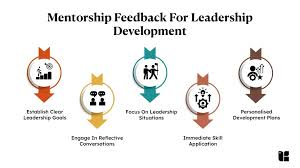

Leadership development works best when feedback is clear, consistent, and easy to act on. Yet many organizations still rely on scattered surveys, informal comments, and annual reviews that do not give leaders a complete picture of how they are doing.
A better approach is to create a structured process that helps people understand their strengths, spot blind spots, and build practical development plans.
Why Feedback Needs Structure
Feedback can be helpful, but only when it is organized. Without structure, leaders may receive mixed messages that are difficult to interpret. One person may focus on communication style, another may comment on project follow-through, and another may only mention recent events.
A structured feedback process helps organizations evaluate leadership behaviors more consistently. It also gives participants a clearer view of how they are perceived by different groups, including managers, peers, and direct reports.
The Role of Technology in Better Feedback
Managing feedback manually can be time-consuming. HR teams may need to collect responses, send reminders, organize comments, protect confidentiality, and prepare reports. As the number of participants grows, the process becomes harder to manage.
Using a dedicated360 feedback platform can help organizations simplify administration while keeping the process focused on development. The right system supports survey delivery, response tracking, reporting, and follow-up planning in one organized workflow.
What a Good Feedback Process Should Include
A strong leadership feedback process usually includes:
- Clear goals for the program
- Relevant survey questions tied to leadership expectations
- Defined rater groups
- Confidential response collection
- Easy-to-understand reporting
- Development planning after results are shared
The goal is not to overwhelm leaders with data. The goal is to help them see patterns and choose a few meaningful areas for improvement.
Avoiding Common Rollout Mistakes
One mistake organizations make is launching feedback without explaining its purpose. If employees think the process is connected to punishment or promotion decisions, they may hesitate to answer honestly. Leaders may also become defensive instead of open to learning.
Another mistake is failing to follow up. A feedback report should not sit in a folder after one meeting. Participants need time to review results, discuss themes, set priorities, and revisit progress.
Turning Reports Into Action
The most useful feedback reports highlight practical next steps. For example, if a leader receives lower scores around communication, the development plan might include clearer meeting agendas, more frequent project updates, or better listening during one-on-one conversations.
Small behavior changes can create noticeable improvements when they are specific and consistent. A leader does not need to fix everything at once. In fact, focusing on one or two priorities often produces better results than trying to address every comment.
Building Trust in the Process
Trust is essential. People are more likely to provide honest feedback when they believe their input will be handled responsibly. Leaders are more likely to accept feedback when they know the process is fair, confidential, and designed to support growth.
Organizations can build trust by communicating clearly, using consistent standards, and making development the central purpose of the program.
Conclusion
Better leadership feedback does not happen by accident. It requires structure, thoughtful administration, and a commitment to turning insight into action. When organizations use the right tools and follow a clear process, feedback becomes more than a review exercise. It becomes a practical way to help leaders grow, strengthen teams, and improve workplace performance.