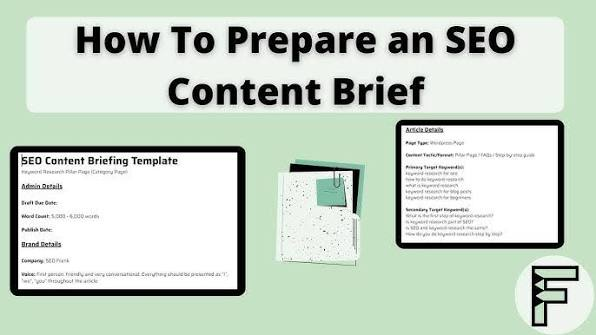

A useful SEO brief does not need to predict every task the consultant will complete. It needs to explain the business, the commercial problem and the limits within which the work will happen. The consultant can then investigate the site and recommend a route based on evidence rather than a pre-written shopping list.
Explain What the Business Sells
Start with the services or products that matter most. Include the types of customers they suit, the areas served and any offers the business does not want to promote. This context prevents keyword research from drifting towards demand that looks attractive but has little value.
It also helps to explain how customers choose. A purchase made in one visit needs different content from a specialist service considered by several stakeholders over several months. That distinction shapes the work offered through Josh Willett’s SEO consultancy, so the brief should give the consultant enough detail to recognise it.
Describe the Problem in Plain Language
You do not need to diagnose the SEO issue yourself. State what you can observe. Perhaps enquiries have fallen, a competitor appears above the site for an important service or organic traffic has grown without improving sales. These symptoms give the investigation a clear starting point.
Avoid prescribing a solution such as 20 articles or a set number of links unless there is a firm contractual reason. The problem may sit in the service pages, tracking or site structure instead. A good consultant should be able to explain what the evidence supports.
Share Useful Business Data
Website access matters, but commercial information is equally valuable. Previous campaign results, enquiry quality, average order values and sales feedback can reveal which areas deserve attention. Even an informal note from the sales team can challenge assumptions based only on analytics.
This is one reason a direct relationship can work well. Business context can be discussed with the person examining the search data and recommending the work. Fewer handovers make it easier to connect technical findings to commercial priorities.
Identify Practical Constraints
Mention the website platform, internal approval process and people available to make changes. If developers work in planned sprints or regulated copy needs legal review, those facts affect the order and timing of recommendations. A strategy that ignores delivery constraints will soon become a waiting list.
Budget should also be discussed openly enough to shape a realistic scope. It does not need to determine every action in advance. It gives the consultant a boundary for deciding which work can make the strongest contribution first.
Define What a Useful Report Looks Like
Some teams need a short monthly call and a clear action list. Others need written analysis for several stakeholders. Explain who will read reports, which decisions they make and what level of detail helps them act.
Agree on measures that connect to the original problem. These may include qualified enquiries, visibility for priority services, conversion rates or revenue influenced by organic search. The measures should show whether the work is changing business performance, not merely whether tasks were completed.
Bring the Right People Into the First Conversation
SEO can expose questions that marketing cannot answer alone. A salesperson may know which enquiries are profitable, while a developer understands why a template cannot be changed quickly. Bringing both perspectives into the first discussion can prevent weeks of avoidable back-and-forth.
A large steering group isn’t required. Invite the people who can explain the offer, approve priorities and remove delivery barriers. Others can contribute when a recommendation reaches their area, keeping the meeting practical.
Share current concerns, recent business changes and any decisions that are already fixed. If a website migration, new service or market launch is planned, say so early. The consultant can then account for it in the diagnosis instead of producing advice that becomes obsolete before implementation.
Leave Room for Diagnosis
The strongest brief sets direction without closing down investigation. It tells the consultant what success means and provides enough context to test where the opportunity lies. It does not pretend that the answer is known before the evidence has been reviewed.
A concise document supported by an honest conversation is usually enough. Cover the offer, audience, problem, data, constraints and decision process. The result gives both sides a practical basis for the work while leaving space for the consultant to do the thinking they were hired to provide.