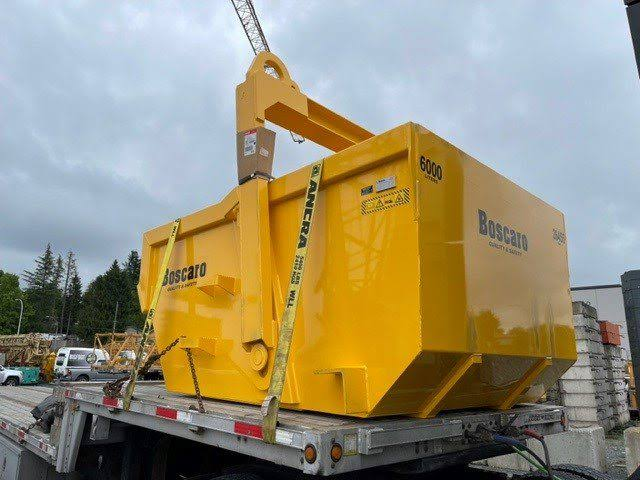

Efficient material handling is essential for construction sites, warehouses, manufacturing facilities, and industrial operations across the USA. Moving waste, scrap, debris, and other materials manually can take considerable time and increase workplace risks. Self-dumping bins USA provide a practical solution by allowing operators to collect, transport, and empty materials with less manual handling.
Available in different capacities, designs, and configurations, these bins can be used with forklifts, cranes, and other material-handling equipment. Choosing the right model requires understanding the job, the material being handled, and the equipment used to move and empty the bin.
What Are Self-Dumping Bins?
Self-dumping bins are material-handling containers designed to automatically or semi-automatically empty their contents when positioned over a designated dumping area. Many models use a balanced design that allows the bin to tilt forward when the release mechanism is activated.
After emptying, the bin can typically return to its upright position, allowing operators to continue collecting and transporting materials. This design can reduce the need for workers to manually unload heavy or bulky contents.
Self-dumping bins are commonly used for construction debris, scrap metal, industrial waste, packaging materials, dirt, and other materials.
Self-Dumping Hoppers for Different Applications
Self-dumping hoppers are available in various sizes and configurations to accommodate different materials and operating environments. The best choice depends on factors such as load capacity, material density, available space, and the method used to transport the hopper.
For example, a smaller hopper may be suitable for facilities with limited working space, while larger models can help construction crews handle greater quantities of debris in fewer cycles.
When selecting a hopper, consider both its rated capacity and the weight of the material being placed inside it. The bin should never be overloaded, even when there appears to be available space.
Crane Self-Dumping Bins for Construction Sites
For projects where cranes are already used for lifting materials, crane self-dumping bins can provide an efficient way to transport debris and materials vertically or across difficult-to-access areas.
These bins can be equipped with suitable lifting points or configurations designed for crane handling. When properly matched to the crane and lifting system, they can allow crews to move materials to elevated locations and then release the contents at the desired dumping area.
However, crane use introduces additional safety considerations. The bin, load, rigging components, and crane must all be suitable for the intended lifting operation. Workers should follow appropriate lifting procedures and keep clear of suspended loads.
Choosing Construction Dumping Bins
Construction dumping bins are designed to withstand the demanding conditions often found on job sites. Construction debris can include concrete fragments, wood, metal, packaging, and other materials that may cause significant wear.
When choosing a bin for construction use, consider its construction material, capacity, durability, and dumping mechanism. A robust design can be especially important when bins will be frequently loaded, moved, and emptied.
The shape of the bin also matters. A design that provides easy access for loading can help improve productivity, while a controlled dumping mechanism can make unloading more efficient.
Self-Dumping Bins for Cranes: What to Consider
When selecting self-dumping bins for cranes, crane compatibility should be a top priority. Start by checking the crane’s rated capacity at the required operating radius and height. Remember that the total lifted weight includes both the bin and its contents.
The bin’s lifting points and rigging arrangement should also be compatible with the crane hook and associated lifting equipment. Operators should never improvise lifting connections or exceed the manufacturer’s specifications.
The job site’s conditions should also be considered. If materials must be lifted over obstacles or into upper levels of a building, the bin should provide adequate stability and control throughout the operation.
Material Handling Bins Improve Productivity
Material handling bins can help businesses organize waste and materials while reducing unnecessary manual labor. Instead of repeatedly moving loose materials by hand, workers can place them directly into a designated container for transportation and disposal.
This can improve workflow and help keep work areas more organized. In construction environments, collecting debris in dedicated bins can also reduce clutter and make cleanup operations more systematic.
For industrial facilities, bins can be used to separate different types of scrap or waste, supporting more efficient material-handling processes.
Safety and Maintenance Matter
The best self-dumping bin is not simply the largest or most durable option. Safety features, operating procedures, maintenance requirements, and compatibility with other equipment should all be considered.
Before use, inspect the bin for cracks, deformation, damaged lifting points, worn components, or other signs of damage. The dumping mechanism should also operate smoothly and reliably.
When using bins with cranes, inspect the lifting connections and rigging equipment before each operation. Workers should remain outside the area beneath suspended loads and follow established site safety procedures.
How to Choose the Best Self-Dumping Bin
The right self-dumping bins depend on the specific requirements of your operation. Consider:
- Required load capacity
- Type and density of materials
- Crane or forklift compatibility
- Bin dimensions and available space
- Dumping mechanism
- Construction and durability
- Lifting points and rigging requirements
- Frequency of use
- Maintenance and safety requirements
A properly selected bin can improve material handling efficiency while reducing unnecessary manual work.
Conclusion
From construction sites and warehouses to manufacturing facilities, self-dumping bins can simplify the collection, transportation, and disposal of materials. The best option depends on the materials being handled, required capacity, equipment compatibility, and job-site conditions.
Whether you need crane self-dumping bins, construction dumping bins, or general material handling bins, selecting equipment designed for the intended application is essential. With proper inspection, safe operating practices, and appropriate equipment selection, self-dumping bins can support a cleaner, safer, and more productive workplace.