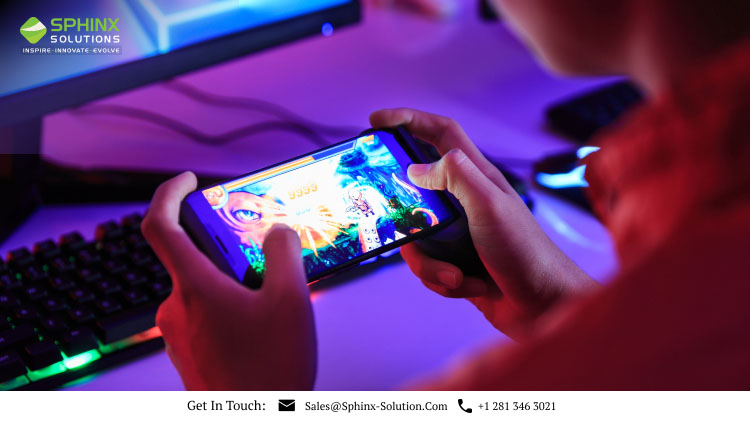

The mobile entertainment industry has evolved rapidly over the past decade, and Game Android platforms now play a major role in shaping global digital culture. What began as simple mobile games designed for short entertainment sessions has transformed into a highly advanced ecosystem involving online multiplayer experiences, cloud gaming, artificial intelligence, esports competitions, and interactive social communities.
Today, Android gaming influences not only entertainment but also smartphone technology, internet services, content creation, and digital communication trends. Millions of users worldwide participate in mobile gaming daily, making Game Android one of the fastest-growing sectors within the technology and entertainment industries.
As smartphone capabilities continue game android improving, several important trends are helping shape the future of Android gaming and the broader mobile industry.
The Growth of Cloud Gaming
One of the most important Game Android trends shaping the mobile industry is the rise of cloud gaming. Traditional mobile games depend heavily on local smartphone hardware performance, but cloud gaming allows users to stream games directly from remote servers.
This technology reduces hardware limitations and allows advanced gaming experiences to run on a wider range of devices. Players can enjoy high-quality graphics and complex gameplay without needing extremely expensive smartphones.
Cloud gaming also improves flexibility because users can continue progress across multiple devices using cloud-based accounts and online storage systems.
As internet infrastructure improves globally and 5G connectivity expands, cloud gaming is expected to become a major part of future Android entertainment platforms.
Artificial Intelligence in Mobile Gaming
Artificial intelligence is another major trend influencing the evolution of Game Android platforms. Developers are increasingly using AI technologies to create smarter gameplay systems, adaptive difficulty settings, and personalized user experiences.
AI helps improve enemy behavior, matchmaking systems, content recommendations, and in-game interactions. Some games can now adjust gameplay based on player skill levels and preferences, making experiences feel more personalized and engaging.
Artificial intelligence is also being used to improve security systems, detect cheating behavior, and manage online gaming communities more effectively.
As AI technology continues advancing, Android games are expected to become even more responsive, intelligent, and immersive.
Mobile Esports Continues Expanding
The rapid growth of mobile esports is one of the strongest trends shaping the Game Android industry. Competitive gaming on smartphones has evolved into a global entertainment phenomenon with professional players, international tournaments, livestream broadcasts, and large online audiences.
Android games now support ranking systems, competitive multiplayer modes, and organized esports events that attract millions of viewers worldwide.
The accessibility of smartphones allows more users to participate in esports compared to expensive traditional gaming setups. This broad accessibility continues driving the growth of competitive mobile gaming communities.
Developers are increasingly designing Android games with esports features such as spectator modes, tournament systems, and advanced matchmaking technologies.
High-Performance Gaming Smartphones
The demand for Game Android experiences has significantly influenced smartphone design trends. Many manufacturers now produce gaming-focused smartphones with specialized features designed to improve mobile gaming performance.
Modern gaming smartphones include advanced cooling systems, high-refresh-rate displays, powerful processors, responsive touch controls, and enhanced battery performance.
These hardware improvements help Android games run more smoothly and support visually advanced gaming experiences. Some devices also include customizable gaming modes that optimize performance during gameplay.
The growing relationship between smartphone technology and gaming demonstrates how Android gaming trends are shaping the broader mobile device industry.
Cross-Platform Gaming Integration
Cross-platform gaming is another important trend affecting the Game Android ecosystem. Many modern Android games now allow players to connect with users on PCs, consoles, and other mobile devices.
This integration creates larger multiplayer communities and more flexible gaming experiences. Players can continue their progress across different devices and interact with friends regardless of hardware differences.
Cross-platform support also encourages developers to improve game quality because Android titles now compete directly with traditional gaming platforms.
As digital ecosystems become more interconnected, cross-platform gaming is expected to become increasingly common within the mobile industry.
The Rise of Augmented Reality Games
Augmented reality technology is helping reshape Game Android experiences by combining digital elements with real-world environments.
AR games use smartphone cameras, sensors, and location systems to create interactive experiences where players engage with virtual content within physical surroundings.
This trend introduces new forms of immersion and encourages users to interact more actively with mobile entertainment.
Augmented reality has also influenced industries beyond gaming, including education, tourism, and retail, demonstrating how Android gaming innovation affects the wider technology landscape.
As smartphone sensors and AR software improve, augmented reality gaming is expected to become even more advanced.
Social Gaming and Online Communities
Another major trend shaping the Game Android industry is the growth of social gaming communities. Modern Android games heavily focus on multiplayer interaction, teamwork, communication systems, and online collaboration.
Voice chat features, multiplayer clans, livestream events, and social media integration allow players to remain connected both inside and outside gaming environments.
Gaming communities often extend across platforms such as streaming websites, social networks, and discussion forums, creating highly active digital cultures centered around Android gaming.
The increasing importance of social interaction within gaming demonstrates how mobile entertainment is becoming more community-driven and socially connected.
Live-Service Gaming Models
Live-service models are becoming increasingly popular within Game Android applications. Instead of releasing games as static products, developers now continuously update titles with new content, seasonal events, multiplayer competitions, and gameplay improvements.
These updates help maintain long-term player engagement and keep gaming communities active over extended periods.
Seasonal rewards, limited-time challenges, character releases, and online tournaments encourage players to return regularly for fresh experiences.
The success of live-service gaming has influenced many entertainment companies to focus on long-term digital ecosystems rather than one-time game releases.
Streaming and Content Creation Trends
Streaming culture is another major force shaping the Game Android industry. Millions of users now watch gameplay livestreams, esports tournaments, tutorials, and gaming-related content online.
Mobile gaming influencers and content creators help games gain visibility while building large online communities around Android entertainment.
Many Android games now include built-in tools for streaming, recording gameplay clips, and sharing content through social media platforms.
This connection between gaming and digital content creation continues influencing how games are designed and marketed within the mobile industry.
Free-to-Play Monetization Systems
Free-to-play models remain one of the most influential trends within Game Android platforms. Many Android games are accessible without upfront costs, allowing users to explore entertainment experiences before deciding whether to purchase optional content.
This monetization strategy has helped mobile gaming expand rapidly because it lowers financial barriers for new players.
Optional purchases often include cosmetic items, premium subscriptions, seasonal passes, or character upgrades. Developers continue experimenting with monetization systems to balance profitability and user satisfaction.
The success of free-to-play gaming has influenced digital business models across many entertainment industries.
Personalized Gaming Experiences
Personalization is becoming increasingly important within Game Android applications. Developers now use machine learning and artificial intelligence technologies to customize gameplay experiences based on user behavior and preferences.
Players may receive personalized recommendations, adaptive difficulty settings, customized events, and tailored progression systems designed around individual activity patterns.
Customization features also allow users to modify controls, visual settings, character appearances, and gameplay styles.
These personalized systems help increase user engagement and create stronger emotional connections between players and gaming environments.
Better Internet Infrastructure and 5G Connectivity
The expansion of faster internet networks and 5G technology is another trend driving innovation within Game Android platforms.
Improved connectivity allows multiplayer games to support larger online environments, smoother gameplay performance, and reduced latency during competitive matches.
Faster download speeds also improve access to cloud gaming services, live events, and high-quality streaming experiences.
As internet infrastructure continues expanding globally, Android gaming experiences are expected to become even more connected and immersive.
Mobile Gaming Influences Digital Culture
Game Android trends are not limited only to gaming itself. Mobile gaming increasingly influences broader digital culture, including communication styles, entertainment habits, and online social interaction.
Gaming terminology, livestream content, esports competitions, and virtual communities have become important parts of modern internet culture.
Many users now spend significant time interacting with gaming communities through social media platforms and streaming services, even when not actively playing games themselves.
This cultural influence demonstrates how Android gaming continues shaping modern digital lifestyles.
Challenges Facing the Mobile Gaming Industry
Despite its rapid growth, the Game Android industry still faces several important challenges. Device compatibility remains an issue because Android smartphones vary widely in hardware performance.
Online security, privacy concerns, and cheating systems also continue affecting multiplayer gaming environments.
Developers must carefully balance monetization strategies to avoid creating unfair gameplay experiences through excessive advertisements or in-app purchases.
Maintaining healthy gaming habits and managing screen time are additional concerns as mobile entertainment becomes increasingly accessible.
The Future of Android Gaming Trends
The future of Game Android trends appears highly promising as technology continues evolving rapidly. Artificial intelligence, cloud gaming, augmented reality, and advanced smartphone hardware are expected to create even more immersive experiences.
Future Android games may support highly realistic virtual worlds, deeper social integration, and more intelligent gameplay systems.
As mobile devices continue becoming more powerful, Android gaming will likely remain one of the most innovative and influential sectors within the entertainment and technology industries.
Conclusion
Game Android trends continue shaping the mobile industry through technological innovation, social connectivity, cloud gaming, esports growth, artificial intelligence, and evolving entertainment models.
The combination of advanced smartphone technology and highly interactive gaming experiences has transformed Android platforms into major drivers of digital culture worldwide.
As mobile gaming continues evolving, Game Android is expected to remain one of the most important forces influencing the future of entertainment, communication, and digital interaction across the global technology landscape.