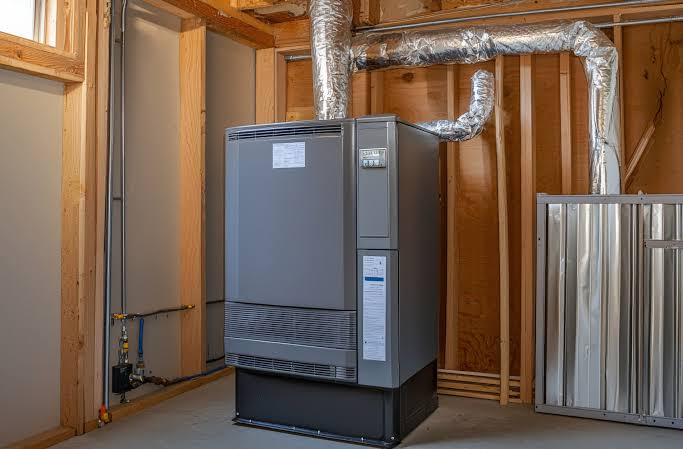

Understanding the Importance of a Reliable Furnace System
A comfortable indoor environment depends on having a heating system that can provide consistent warmth, especially during colder seasons. A furnace is one of the most widely used heating solutions for residential and commercial properties because it can efficiently distribute heat throughout a building while maintaining a comfortable temperature. However, simply purchasing a furnace is not enough to guarantee effective performance. The quality of the equipment, the planning process, and the installation method all play an important role in determining how well the system operates.
A properly designed and installed heating system can provide many years of dependable service, lower energy consumption, and improved indoor comfort. On the other hand, mistakes during the setup process can create problems such as uneven heating, frequent breakdowns, higher utility expenses, and reduced equipment lifespan. This is why professional furnace installation is an important investment for anyone who wants a safe and efficient heating solution.
Why Proper Furnace Installation Matters
Many homeowners and business owners assume that choosing a high-quality furnace automatically ensures excellent performance. While selecting reliable equipment is important, installation quality has an equally significant impact. A furnace must be correctly connected to fuel sources, electrical systems, ductwork, ventilation components, and control systems to function properly.
Incorrect installation can lead to several issues, including poor airflow, reduced efficiency, increased wear on components, and safety concerns. A system that has not been installed according to proper standards may struggle to maintain desired temperatures and may require frequent repairs. Professional installation ensures that every component works together correctly and allows the furnace to perform according to manufacturer specifications.
Selecting the Right Furnace for Your Property
Choosing the right furnace requires careful evaluation of the property’s heating requirements. Different buildings have different needs based on their size, design, insulation levels, and existing infrastructure. A furnace that works well for one property may not provide the same results in another location.
The size of the furnace is one of the most important factors to consider. A system that is too small may run constantly because it cannot provide enough heat, leading to increased energy use and unnecessary strain. A furnace that is too large may turn on and off frequently, causing inconsistent temperatures and reducing efficiency. Professional calculations help determine the appropriate capacity needed for reliable performance.
The type of fuel source is another important consideration. Furnaces are commonly powered by natural gas, electricity, or oil, and each option has different benefits. Factors such as availability, operating costs, and property requirements should be reviewed before making a final decision.
The Role of Professional Assessment Before Installation
Before beginning any installation project, professionals conduct a detailed evaluation of the property. This assessment helps identify the best equipment options and determines whether existing systems require upgrades or adjustments.
During the inspection process, technicians examine areas such as ductwork, ventilation, electrical connections, and available installation space. They also evaluate airflow patterns and heating requirements to ensure the selected furnace will provide balanced performance throughout the building.
This preparation stage is essential because it helps prevent unexpected problems during installation. A detailed assessment allows professionals to create a clear plan and ensures the heating system is designed to meet the specific needs of the property.The location where a furnace is installed can affect both performance and maintenance. A suitable installation area should provide enough room for safe operation, proper airflow, and future servicing. Professionals consider accessibility, ventilation requirements, and safety guidelines when selecting the ideal placement.
A poorly planned installation area may make future maintenance more difficult and can affect system efficiency. Proper preparation ensures that technicians can easily inspect, repair, and maintain the equipment when necessary.
Safety Considerations During Furnace Installation
Safety is one of the most important aspects of installing a heating system. Furnaces involve electrical connections, fuel lines, combustion processes, and ventilation systems that must be handled correctly. Even small mistakes can create serious risks.
Professional technicians follow established safety procedures to ensure all connections are secure and the system operates correctly. They inspect fuel lines, test electrical components, verify ventilation, and check for potential hazards before completing the project.
A properly installed furnace helps protect occupants from risks associated with gas leaks, carbon monoxide exposure, and electrical problems. Safety should always be a priority when dealing with heating equipment.
The Complete Furnace Installation Process
The installation process involves several important steps that require technical knowledge and attention to detail. After removing outdated equipment if necessary, technicians prepare the area and position the new furnace correctly.
The next steps include connecting ductwork, electrical wiring, fuel supplies, drainage systems, and control components. Each connection must be carefully checked to ensure proper operation. After installation is complete, professionals test the furnace to confirm that heating output, airflow, and controls are working correctly.
A final inspection allows technicians to identify any adjustments needed before the system begins regular operation. This careful approach improves reliability and helps prevent future problems.
Benefits of Installing an Energy-Efficient Furnace
Modern furnaces are designed with improved technology that allows them to operate more efficiently than older models. An energy-efficient system can provide better heating performance while using less energy.Reduced energy consumption can lead to lower monthly utility costs and improved environmental responsibility. Efficient furnaces also provide more consistent temperatures, making indoor spaces more comfortable throughout the heating season.
Investing in an efficient system during installation can provide long-term financial benefits because lower operating costs continue throughout the life of the equipment.A properly installed furnace does more than provide warmth. It also contributes to better indoor comfort by maintaining consistent temperatures and supporting proper airflow throughout the property.Many heating systems work together with air filtration components that help reduce dust, allergens, and airborne particles. During installation, professionals can evaluate whether existing air circulation systems are working effectively and recommend improvements when needed.
Better airflow and filtration can create a healthier and more comfortable indoor environment for occupants.
Common Furnace Installation Mistakes to Avoid
Several mistakes can reduce furnace performance and create unnecessary expenses. One common issue is selecting the wrong furnace size. Without proper calculations, property owners may choose equipment that does not match their heating needs.
Another mistake is ignoring existing ductwork problems. Even the best furnace cannot operate efficiently if damaged or poorly designed ducts prevent proper airflow. Addressing these issues during installation can improve overall system performance.
Poor ventilation, incorrect connections, and lack of professional testing are additional problems that may affect safety and reliability. Working with experienced professionals helps avoid these common challenges.
Maintaining Your Furnace After Installation
Proper maintenance is essential for protecting your investment and ensuring long-term performance. Regular inspections allow professionals to identify potential problems before they become major repairs.
Replacing filters, cleaning components, checking connections, and inspecting system performance are important maintenance tasks. These steps help improve efficiency and reduce unnecessary stress on the equipment.
Scheduling maintenance before heavy heating seasons begin ensures that the furnace is ready to provide reliable service when it is needed most.
When Should You Replace an Old Furnace?
Older furnaces often become less efficient over time and may require frequent repairs. Rising energy bills, uneven heating, unusual noises, and repeated breakdowns can indicate that replacement may be a better option than continued repairs.
A new furnace can provide improved efficiency, better performance, and advanced features that older systems may not offer. Although replacement requires an upfront investment, the long-term savings and comfort improvements can make it worthwhile.
Choosing the Right Professional for Furnace Installation
Selecting a qualified installer is one of the most important decisions in the entire process. Experience, reputation, technical knowledge, and attention to detail should all be considered when choosing a professional.
A reliable installer takes time to understand the property’s requirements, explains available options, and completes the project according to safety standards. Clear communication between the property owner and installation team helps ensure better results.
Quality workmanship during installation creates a stronger foundation for reliable heating performance.
Conclusion: Building Comfort Through Quality Heating Solutions
A furnace is a major investment that affects comfort, energy costs, and property value. Professional installation helps maximize the benefits of that investment by ensuring the system operates safely and efficiently.A properly installed furnace requires fewer repairs, provides consistent heating, and lasts longer compared to systems that are installed incorrectly. The initial focus on quality installation can prevent future expenses and improve overall satisfaction.
Furnace installation is a detailed process that requires careful planning, technical expertise, and attention to safety. From selecting the correct equipment to completing final testing, every step influences the performance and reliability of the heating system.
A professionally installed furnace provides dependable warmth, improved efficiency, and greater comfort for years to come. By choosing the right system, working with skilled professionals, and maintaining the equipment regularly, property owners can enjoy a heating solution that delivers lasting value and reliable performance.