
In an era defined by endless digital streams and fleeting social media feeds, art has become increasingly temporary. Creators post a new illustration, poem, or photo set, only to watch it get swallowed by relentless algorithms within hours. Against this backdrop of digital saturation, a quiet revolution is gaining momentum: the return to the physical page.
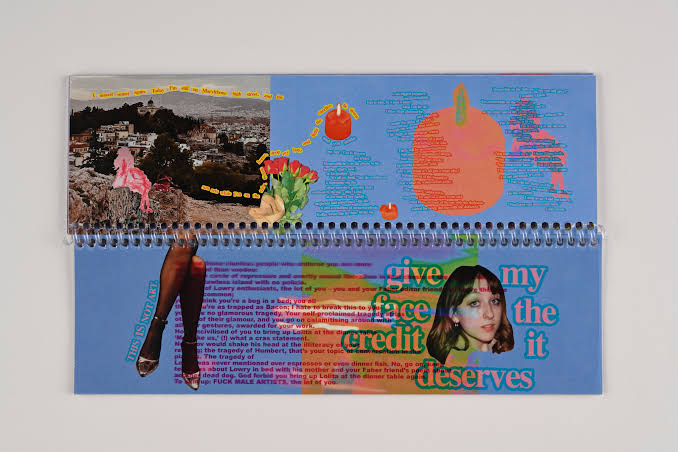
Far from being mere relics of 1990s punk subculture, modern self-published zines, mini art books, and photo journals are experiencing a vibrant renaissance. Today’s DIY publishing movement is fueled by creators seeking genuine connection in a virtual world. These short-form print projects are no longer just nostalgic artifacts or experimental side hobbies. Instead, they have evolved into essential, high-leverage tools for artists to regain complete creative autonomy, cultivate fiercely loyal micro-communities, and monetize their work entirely on their own terms.
Why Tangible Art Defies Algorithm Fatigue
For over a decade, social media was hailed as the ultimate equalizer for independent artists. While platforms like Instagram, TikTok, and X certainly offer unmatched global reach, they increasingly deliver frustratingly shallow engagement. Artists find themselves trapped on a content treadmill, producing relentless daily posts just to maintain visibility, only to have their work buried by constantly changing platform algorithms.
This digital noise has triggered widespread “screen fatigue” among audiences. Readers and art enthusiasts are growing weary of glowing pixels and fleeting double-taps; they crave tactile, meaningful interactions with the media they love. A physical zine directly addresses this fatigue by offering something a digital post never can: permanence and tangibility.
A zine represents pure intentionality. Holding a physical publication forces a reader to slow down, disconnect from notifications, and engage deeply with the artwork. When a fan purchases or receives a zine, your art transitions from an ephemeral pixel on a phone screen to a permanent feature of their physical living space. Placed on a coffee table, displayed on a bookshelf, or pinned to a studio wall, a printed zine keeps your creative work continuously present in your audience’s daily life.
Monetizing the DIY Medium: From Patreon to Zine Fests
The return to physical zines is not merely an aesthetic choice – it’s a viable, sustainable business strategy for creative entrepreneurs. Independent artists are discovering innovative ways to monetize short-form print projects across both digital storefronts and real-world venues.
On subscription platforms like Patreon, physical rewards have become the gold standard for driving higher-tier memberships. Creators regularly offer exclusive quarterly or bi-monthly zines as perks for their most dedicated supporters, transforming digital fan bases into recurring revenue streams. Meanwhile, e-commerce storefronts on Etsy, Shopify, and Big Cartel allow creators to sell physical mini art books and poetry collections directly to consumers worldwide.
Simultaneously, the physical event circuit is booming. Local zine fests, independent comic conventions, small press fairs, and artisan markets have exploded in popularity. These gatherings serve as vibrant networking hubs where artists can sell inventory, meet peers, and pitch prospective collaborators face-to-face.
Best of all, the barrier to entry has never been lower. Thanks to modern short-run production capabilities, artists no longer need thousands of dollars in capital to publish their work. You can print small batches – of as little as 1 copy with the right printing service – to test new concepts, maintain low inventory overhead, and turn a profit on your very first run.
Translating Digital Art into a Printed Booklet
Transitioning a digital portfolio into a physical print publication is an exciting process, but it requires a basic understanding of print layout principles. Most zines, mini photo journals, and poetry collections utilize a saddle-stitched format, where folded sheets are stapled along the spine. Because each folded sheet yields four pages, your document’s total page count must always be a multiple of four (e.g., 8, 12, 16, or 20 pages).
To ensure your artwork looks as crisp on paper as it does on a high-resolution monitor, keep key formatting specs in mind. Design your files in CMYK color mode rather than RGB, set your document resolution to 300 DPI, and include standard bleed margins (typically 0.125 inches) so your imagery extends neatly to the trimmed edge. Pay close attention to paper selection as well; a heavy matte cover paired with smooth silk interior pages can elevate a simple illustration collection into a luxury keepsake.
While DIY enthusiasts once relied on office copiers and handheld staplers, today’s creators demand a higher level of polish. When you’re ready to bring a project to life, utilizing professional booklet printing makes it effortless to upload your print-ready PDFs, select saddle-stitched bindings, and order exact quantities tailored to your launch. A polished finish ensures your work looks elevated and ready for retail shelves.
Building Micro-Communities Through Collaboration
Beyond direct sales, physical zines excel at building tight-knit artistic communities. One of the most effective strategies for growing your reach is participating in collaborative zines and themed anthologies. By bringing together 10 to 20 artists under a single creative concept – such as a seasonal art collection, a poetic anthology, or a themed photo essay – every contributor gains direct exposure to the collective fanbases of all participating creators.
Additionally, the culture of “zine swapping” at live events organically builds deep, lasting relationships within the creative community. Trading physical work with fellow illustrators, poets, and designers creates an organic network of peer support that digital networking simply cannot replicate.
Ultimately, exchanging physical objects builds meaningful emotional resonance. A casual social media follower might quickly forget a photo they scrolled past on a feed, but a fan who holds a collaborative zine in their hands becomes a dedicated, lifelong advocate for your artistic brand.
The Future of Print is Personal
While digital platforms remain valuable for discovery and broad reach, they are no longer sufficient on their own to sustain a long-term artistic career. Physical print builds what algorithms take away: depth, intimacy, and lasting legacy. Self-published zines allow you to bypass digital gatekeepers, anchor your artwork in the physical world, and establish a deeply loyal community of supporters.
If you have a collection of illustrations, a series of poems, or a folder of unreleased photographs sitting on your hard drive, now is the time to bring them to life. Gather your work, lay out your pages, and launch your first physical print run today.