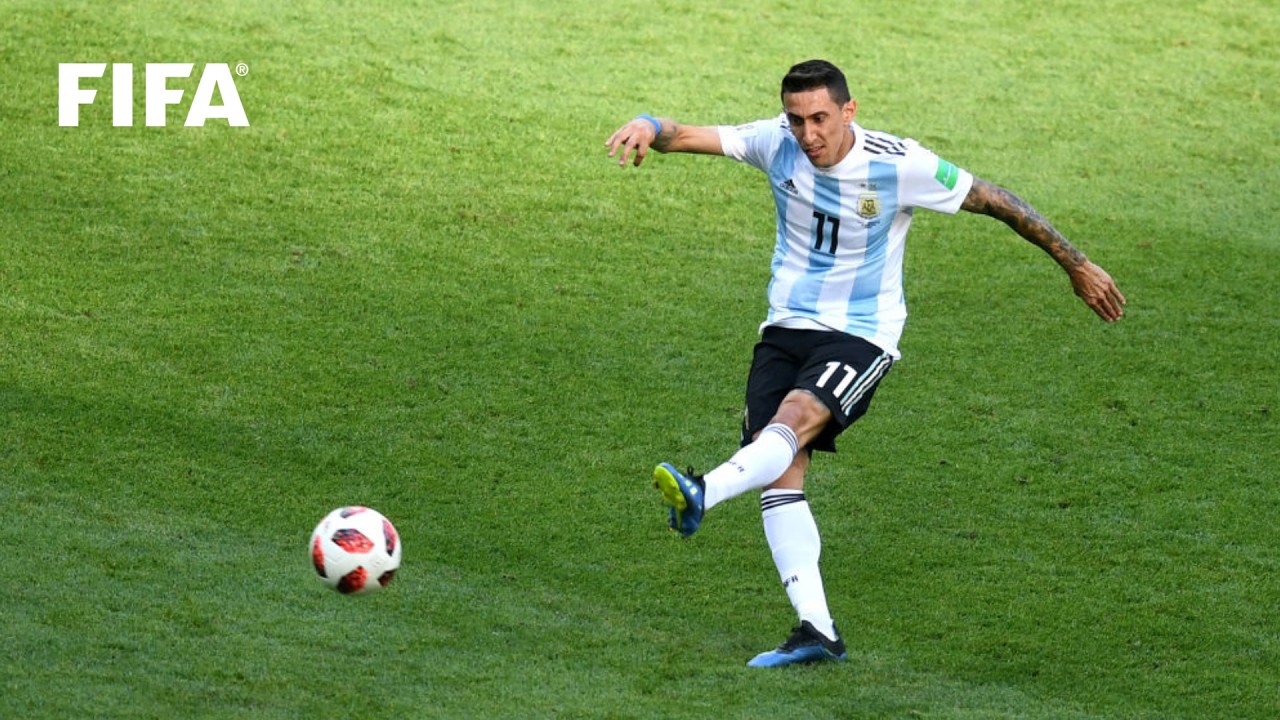
The Magic Behind FIFA Football Highlights and World Cup Memories
The FIFA World Cup has produced some of the most unforgettable moments in the history of sport, creating memories that remain vivid long after the final whistle. From dramatic comebacks and breathtaking goals to unexpected victories and emotional celebrations, every tournament has added remarkable chapters to international football. Fans often revisit these moments through FIFA football highlights because a short collection of key scenes can capture the intensity of an entire match. Platforms and sports communities may use different resources to follow memorable contests, but the excitement comes from the matches themselves rather than any single source, including 789BET.COM. World Cup football has a unique ability to bring together supporters from different countries while creating stories that become part of sporting culture. A memorable match can contain tactical battles, individual brilliance, defensive resilience, controversial moments, and dramatic finishes within ninety minutes or more. These characteristics make World Cup highlights especially fascinating because they condense the most important elements of a match into a compelling football story.
Key elements that make World Cup moments memorable
- Dramatic goals that change the direction of a match.
- Unexpected comebacks that keep supporters watching until the final whistle.
- Outstanding individual performances from established stars and emerging players.
- Emotional scenes involving players, coaches, supporters, and entire nations.
Brazil and Germany Create a Historic World Cup Story
The 2014 World Cup semifinal between Brazil and Germany remains one of the most discussed matches in modern tournament history. Played in Belo Horizonte, the contest produced an extraordinary first half in which Germany established a commanding advantage before Brazil could recover. Germany scored repeatedly during a short period, turning a highly anticipated semifinal into an extraordinary demonstration of attacking efficiency. Brazil eventually found a goal, but Germany progressed comfortably to the final. The match became memorable not simply because of the final score but because of the speed with which the contest changed. Brazil entered the game carrying enormous expectations as the host nation, while Germany approached the semifinal with a disciplined and coordinated system. The contrast between expectation and outcome made the match particularly significant. FIFA football highlights from this encounter commonly emphasize Germany’s rapid attacking combinations, Brazil’s defensive difficulties, and the emotional response inside the stadium. The game also demonstrated how quickly momentum can shift at the highest level, where a few defensive mistakes and precise attacking movements may dramatically alter the course of a major tournament fixture.
Moments remembered from the semifinal
- Germany’s early attacking pressure created opportunities almost immediately.
- A series of goals transformed the match during the first half.
- Brazil responded after the interval but could not overturn the deficit.
- Germany advanced to the final and later won the tournament.
Argentina and England Deliver a Famous 1986 Encounter
The 1986 quarterfinal between Argentina and England remains famous for several different reasons, combining controversy, individual brilliance, national emotion, and exceptional football ability. Diego Maradona played a central role in the match, scoring two goals that became globally recognized for very different reasons. His first goal generated enormous debate because the ball appeared to be touched by his hand before entering the net. His second goal followed a remarkable run through several England players and is frequently remembered as one of the most spectacular individual goals in World Cup history. England later scored, but Argentina held on to secure a place in the semifinal. The encounter demonstrated how one match can contain contrasting emotions, from controversy to admiration for extraordinary skill. Supporters continue to revisit the contest because it represents more than a simple quarterfinal result. It reflects the importance of individual players, national identity, rivalry, and moments that become embedded in tournament history. FIFA football highlights of this game generally focus on Maradona’s two contrasting goals, while historical discussions also consider the wider context surrounding the fixture and the significance it had for both nations.
Defining scenes from Argentina versus England
- Maradona opened the scoring in a highly controversial fashion.
- His second goal showcased extraordinary close control and dribbling.
- England responded with a goal that restored tension to the match.
- Argentina maintained its advantage and moved into the next round.
France and Croatia Produce a Dramatic Modern Final
The 2018 World Cup final between France and Croatia provided another memorable chapter in tournament history. France entered the final after a strong knockout-stage campaign, while Croatia had reached the championship match after playing three consecutive knockout matches that went beyond ninety minutes. The final featured goals from both sides and eventually ended with France winning 4–2. The scoreline reflected a match that contained attacking opportunities, set pieces, defensive challenges, and moments of individual quality. France demonstrated the effectiveness of a balanced squad containing pace, technical ability, and tactical discipline. Croatia showed considerable resilience despite the demanding route it had taken to reach the final. The encounter was notable because both teams attempted to attack, creating a final that remained engaging throughout the match. For supporters reviewing FIFA football highlights, the contest offers numerous scenes that demonstrate how a World Cup final can combine pressure with attacking ambition. Kylian Mbappé also became one of the youngest players to score in a World Cup final since Pelé, adding another historical detail to an already significant occasion.
Highlights that shaped the 2018 final
- Croatia created attacking pressure despite conceding early.
- France scored from a penalty after a VAR review.
- Both teams produced attacking moments during an open final.
- France scored four goals and secured its second World Cup title.
Italy and West Germany Fight Through an Extraordinary 2006 Semifinal
The 2006 semifinal between Germany and Italy is widely remembered for its dramatic conclusion. The match remained goalless through ninety minutes, despite opportunities at both ends, and continued into extra time. With penalties appearing increasingly likely, Italy produced two late goals that decided the contest. Fabio Grosso scored in the 119th minute with a curling effort from outside the area, and Alessandro Del Piero added another goal shortly afterward. The timing of the goals made the ending particularly dramatic because Germany had defended strongly for almost the entire contest. Italy’s ability to remain composed during extra time became a defining feature of the match. The encounter also demonstrated the importance of patience in tournament football, where a team may need to remain organized for more than 110 minutes before a decisive opening appears. The match is frequently revisited in FIFA football highlights because its ending contains two goals within a remarkably short period. Italy subsequently defeated France in the final on penalties, completing a tournament campaign that became one of the most memorable chapters in the country’s football history.
Important moments from the 2006 semifinal
- Germany and Italy remained level throughout regulation time.
- Both teams continued creating opportunities during extra time.
- Fabio Grosso scored a decisive goal in the final minutes.
- Alessandro Del Piero completed the dramatic late victory.
The 2010 Final Shows the Intensity of Championship Football
The 2010 World Cup final between Spain and the Netherlands was a tense contest that required extra time before a winner emerged. Both teams entered the match with highly talented squads and contrasting football traditions. Spain relied heavily on controlled possession and patient passing, while the Netherlands attempted to disrupt that rhythm and create opportunities through direct attacks. The match produced numerous fouls and several yellow cards as both sides competed intensely for control. After a goalless ninety minutes, Andrés Iniesta scored in extra time to give Spain its first World Cup title. The goal arrived late enough to make the ending especially dramatic, while the final whistle confirmed a historic achievement for Spanish football. FIFA football highlights from the match frequently concentrate on Iniesta’s decisive finish, the celebrations that followed, and the tense exchanges throughout the contest. The final also represents an important example of how tactical discipline and patience can determine a championship match when neither side can establish a decisive advantage during normal time.
Memorable details from the 2010 final
- Spain controlled significant periods through patient possession.
- The Netherlands created physical pressure and defensive resistance.
- The match remained level after ninety minutes.
- Iniesta’s extra-time goal secured Spain’s first World Cup championship.
Iconic World Cup Moments Continue to Inspire Football Fans
Memorable World Cup matches are not remembered solely because of their final scores. Their lasting importance often comes from the combination of circumstances surrounding the result. A goal can become iconic because of its technical quality, timing, historical significance, or emotional impact. A comeback can be remembered because supporters believed their team had little chance of recovering. A defensive performance may become famous because it prevented a highly talented opponent from scoring. These elements help explain why football highlights remain popular among generations of supporters. Modern audiences can revisit historic matches through archived footage, documentaries, match reports, and short highlight packages. Younger fans can discover legendary players who performed decades before they were born, while older supporters can revisit moments connected with their own memories. Even when technology changes the way matches are watched, the emotional appeal of major World Cup encounters remains remarkably consistent. Fans searching for information about tournament history may also encounter phrases such as đăng ký tài khoản 789bet in unrelated promotional material, but the enduring value of these football memories comes from the sporting events themselves and the stories created on the pitch.
Reasons historic matches remain relevant
- They introduce new generations to legendary footballers.
- They preserve important moments from different eras of international football.
- They demonstrate changing tactics, formations, and playing styles.
- They provide examples of resilience, creativity, teamwork, and determination.
Why World Cup Highlights Preserve Football History for Future Generations
World Cup highlights serve as a visual record of football history, allowing supporters to revisit moments that might otherwise exist only in written descriptions or personal memories. A carefully selected highlight can show the buildup to a goal, the reaction of supporters, the tactical movement before a decisive play, and the emotion that follows. This makes highlights particularly useful for understanding why certain matches became historically important. They also provide an accessible introduction to different football eras. The playing styles of earlier tournaments can be compared with modern approaches, while changes in tactics, technology, refereeing, fitness, and tournament preparation become easier to recognize. Iconic matches also demonstrate that football is rarely determined by one factor alone. Individual talent matters, but teamwork, preparation, tactical decisions, confidence, concentration, and timing can all influence a result. The greatest World Cup encounters bring these elements together in ways that create unforgettable sporting narratives. As future tournaments add new chapters to international football, older matches will continue to provide context for understanding the competition’s traditions and evolution.
What future fans can learn from historic highlights
- Tactical approaches can change significantly across different World Cup eras.
- Individual brilliance can influence a match without replacing the importance of teamwork.
- Late goals can completely reshape the emotional direction of a contest.
- Historical context can make a sporting moment more meaningful.
Conclusion: The Lasting Legacy of Memorable World Cup Matches and FIFA Football Highlights
The history of the FIFA World Cup is filled with matches that continue to attract attention because they contain extraordinary combinations of skill, drama, pressure, and emotion. From Argentina’s famous encounter with England in 1986 to Germany’s remarkable semifinal against Brazil in 2014, each memorable match has its own identity and historical significance. The 2006 semifinal between Italy and Germany demonstrated the drama of late extra-time goals, while the 2010 final showed how patience could ultimately produce a championship-winning moment. France’s 2018 triumph over Croatia added another modern classic to the tournament’s long history. Together, these encounters demonstrate why FIFA football highlights remain an important way for supporters to revisit football’s greatest stages. Highlights cannot reproduce every detail of a complete ninety-minute match, but they can preserve the moments that define how a contest is remembered. They capture goals, saves, celebrations, tactical breakthroughs, individual performances, and emotional reactions that become part of the collective memory of football fans. As the World Cup continues to evolve, new players and teams will create their own unforgettable moments, while historic matches will remain valuable references for understanding the competition’s extraordinary legacy. Ultimately, the most memorable World Cup matches endure because they offer more than results: they preserve stories of sporting achievement that can be shared across generations.