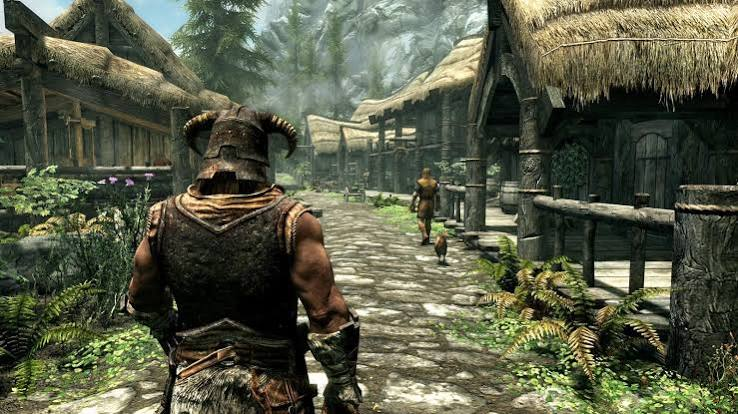

Entertainment has changed dramatically over the past few decades. What once meant gathering around a television, visiting an arcade, or playing a board game with friends can now happen from almost anywhere. At the center of this transformation is the kobra999, which has grown from a simple pastime into a major part of modern digital culture.
The Early Days of Online Game Entertainment
In the beginning, online gaming was surprisingly simple. Players connected through basic networks and enjoyed games with limited graphics and straightforward mechanics. There were no massive virtual worlds or thousands of players competing at the same time.
Yet the excitement was already there. Imagine sitting at a computer after school, connecting with a friend, and discovering that you could compete without being in the same room. Wasn’t that a small glimpse of the future?
As internet connections became faster, developers gained more freedom. Games became larger, more detailed, and more interactive. Players were no longer simply controlling characters. They were becoming part of digital worlds.
How Technology Changed the Online Game Experience
The arrival of broadband internet marked a major turning point. Faster connections reduced frustrating delays and made multiplayer experiences much smoother. Suddenly, competitive matches could involve players from different cities and even different countries.
Then came smartphones.
Mobile technology placed gaming directly into people’s pockets. A person waiting for a bus could enjoy a quick match. Someone relaxing at home could join friends for an evening session. Gaming no longer depended on sitting in front of a particular machine.
Cloud technology has pushed this idea even further. Today, powerful gaming experiences can be accessed across different devices, depending on the service and connection available. This flexibility has made digital entertainment easier to fit into busy lifestyles.
Social Connections Through an Online Game
One of the most interesting changes is the social side of gaming. Earlier games often focused on individual achievement. Modern experiences can be much more about communication, teamwork, and friendship.
Think about a group of friends who live in different cities. They may not have time to meet every weekend, but they can still spend an evening competing together. Voice chat, messaging, live events, and team-based challenges make these experiences feel surprisingly personal.
For many players, the game is only part of the attraction. The real reward is sharing a funny moment, celebrating a difficult victory, or helping a teammate succeed.
What Comes Next?
The future looks even more immersive. Virtual reality, augmented reality, artificial intelligence-driven characters, and improved graphics are opening new possibilities for interactive entertainment.
However, technology alone will not determine the future. Players still want something simple: fun. They want memorable experiences, meaningful challenges, and ways to connect with others.
That is why the evolution of digital gaming feels less like the end of a journey and more like the beginning of another chapter. From basic computer connections to rich virtual communities, gaming has continually adapted to the way people live.
The next time you start a game, take a moment to notice how far the experience has come. The future of entertainment may already be sitting right in your hands.