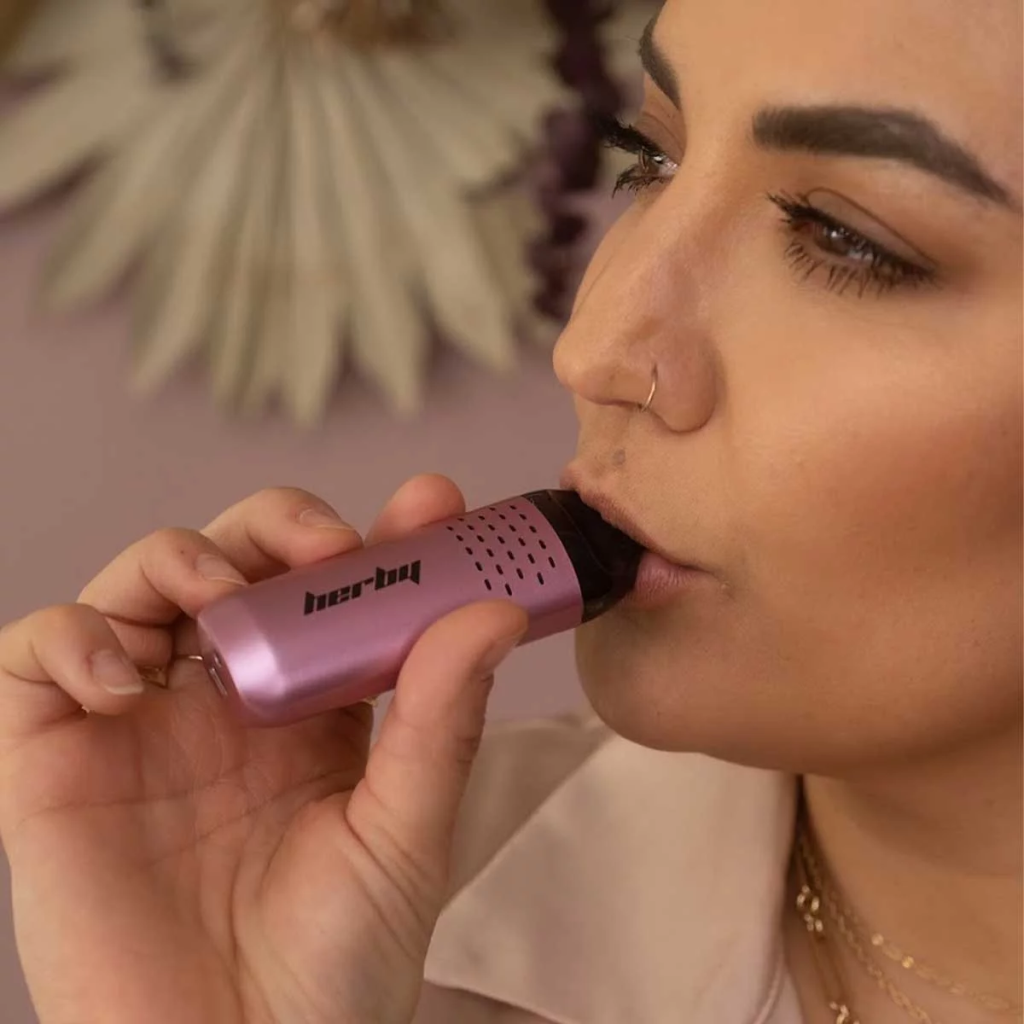
The way people heat and consume dry botanical material has changed considerably with the development of modern vaporization technology. Instead of relying on direct combustion, vaporization uses controlled heat to warm material to a selected temperature. This approach has made vaporizers an interesting option for adults who want greater control over temperature, airflow, and overall device operation.
For anyone unfamiliar with the technology, a Dry Herb Vaporizer can initially seem complicated because devices vary widely in design, heating systems, controls, and maintenance requirements. However, the basic principle is relatively straightforward: dry material is placed inside a chamber, and the device heats it without directly burning it.
Understanding how these devices work can make it easier to evaluate their features and use them responsibly. Factors such as heating technology, temperature settings, chamber construction, battery capacity, portability, and cleaning requirements can all influence the experience.
What Is a Dry Herb Vaporizer?
A dry herb vaporizer is an electronic device designed to heat dried botanical material to a controlled temperature. Unlike conventional smoking methods, the material is not intentionally ignited. Instead, heat is transferred to the material until compounds are released into an inhalable vapor.
Most devices contain several basic components:
- A heating chamber where the material is placed
- A heating element that produces controlled heat
- A battery or external power source
- Temperature controls or preset heating levels
- An airflow pathway
- A mouthpiece through which vapor is inhaled
The exact design depends on the model. Portable units generally prioritize compact construction and rechargeable batteries, while larger desktop devices may focus more heavily on consistent heating and extended sessions.
How Does Vaporization Work?
The central concept behind vaporization is temperature control. Combustion occurs when material reaches a temperature high enough to burn, producing smoke and combustion by-products. Vaporization instead attempts to heat the material within a controlled range without deliberately igniting it.
When the heating chamber reaches its selected temperature, heat is transferred to the dry material. Depending on the device and material, certain volatile compounds can become vaporized while the plant matter remains largely intact.
This process depends on several variables, including:
Temperature
Temperature has a major influence on vapor production and flavor. Lower settings may produce lighter vapor and preserve more delicate aromatic compounds, while higher settings generally create denser vapor.
However, higher temperatures also increase the risk of approaching combustion. For this reason, users should follow the manufacturer’s recommended temperature ranges rather than treating maximum heat as automatically better.
Heating Time
A vaporizer does not necessarily heat material instantly. Some models require a short warm-up period before reaching the selected temperature. Once heated, the device may maintain that temperature automatically or cycle its heating element as needed.
Consistent heating is important because uneven temperatures can result in partially heated material and an inconsistent experience.
Conduction vs. Convection Heating
One of the most important distinctions between vaporizer designs is the method used to transfer heat.
Conduction Heating
Conduction vaporizers heat the material through direct contact with a heated surface. The chamber itself becomes hot and transfers thermal energy directly to the dry material.
Advantages may include:
- Fast heating
- Simple mechanical design
- Generally compact construction
- Efficient use of battery power in some designs
The main challenge is maintaining an even temperature. If material remains in direct contact with a particularly hot surface, some areas may heat more quickly than others.
Convection Heating
Convection systems use heated air that passes through the material. Rather than relying primarily on contact with a hot chamber surface, the device circulates warm air through the material.
Potential benefits include:
- More even heating
- Reduced direct contact with extremely hot surfaces
- Greater control over the heating process
- Potentially improved consistency
Convection devices can sometimes require more sophisticated airflow and heating systems, which may affect size, cost, and battery consumption.
Hybrid Heating
Some vaporizers combine conduction and convection. A hybrid system can use the chamber’s heated surfaces alongside hot airflow to distribute heat more evenly.
This design attempts to balance fast heat-up times with consistent vaporization. For users comparing different devices, understanding the heating method can be more useful than judging a vaporizer by appearance alone.
Important Features to Consider
Not every vaporizer provides the same controls or construction. The right features depend on how the device is intended to be used.
Temperature Control
Adjustable temperature settings provide greater flexibility than a device with only one or two preset levels. Precise controls can allow users to experiment with different heat levels while staying within the manufacturer’s recommended range.
Some advanced devices provide digital displays, while simpler models use buttons or indicator lights.
Battery Capacity
Battery life is particularly important for portable devices. A larger battery can provide longer operation between charges, but it may also increase the size and weight of the device.
When comparing battery specifications, consider both capacity and charging technology. USB-based charging can be convenient, especially when traveling, although users should always follow applicable transportation and battery-safety rules.
Chamber Size
The chamber determines how much dry material the device can accommodate. A larger chamber may be useful for longer sessions, while a smaller chamber can help keep the device compact.
Chamber materials also matter. Ceramic, stainless steel, and other heat-resistant materials are commonly used because they can withstand repeated heating cycles.
Airflow
Airflow affects how easily air moves through the heating chamber. A restricted pathway can make inhalation more difficult, while excessive airflow may cool the chamber or dilute the vapor.
Some devices provide adjustable airflow, allowing users to modify the draw according to their preferences.
Portable vs. Desktop Vaporizers
Portable vaporizers are designed for mobility. They are typically battery-powered and compact enough to carry easily. Their smaller form factor makes them convenient for users who prioritize portability.
Desktop vaporizers are larger and generally remain in one location. They can provide more substantial heating systems and may offer stronger temperature stability because they are not constrained by a small battery or compact enclosure.
The main differences include:
- Portability: Portable models are easier to carry.
- Power: Desktop models can use a continuous electrical supply.
- Battery: Portable units depend on rechargeable batteries.
- Size: Desktop devices generally require more space.
- Controls: Larger devices may offer more advanced temperature management.
How to Use a Dry Herb Vaporizer Properly
Using a vaporizer correctly begins with reading the manufacturer’s instructions. Different models have different chamber capacities, heating procedures, cleaning requirements, and operating controls.
A general process may include the following steps:
- Ensure the device is adequately charged.
- Prepare the dry material according to the manufacturer’s instructions.
- Load the appropriate amount into the heating chamber.
- Avoid overpacking the chamber because restricted airflow can affect performance.
- Select an appropriate temperature setting.
- Allow the device to reach the selected temperature.
- Use the device according to its instructions.
- Turn it off after use and allow it to cool before storage or cleaning.
Users should never modify a device’s electrical components or attempt to bypass built-in safety systems.
Cleaning and Maintenance
Regular maintenance can help preserve performance and reduce buildup inside the vapor path. Residue may accumulate in the chamber, screen, mouthpiece, or airflow pathway over time.
Before cleaning, the device should be switched off and allowed to cool completely. If the manufacturer provides specific cleaning instructions, those instructions should take priority.
Common maintenance practices include:
- Emptying the chamber after it has cooled
- Removing loose residue with appropriate cleaning tools
- Cleaning removable components according to manufacturer guidance
- Inspecting the mouthpiece for buildup
- Keeping charging ports free from debris
- Storing the device in a clean, dry location
Avoid using liquids or cleaning agents on electronic components unless the manufacturer specifically states that they are safe.
Battery and Device Safety
Rechargeable batteries require careful handling. A damaged battery can create serious safety risks, particularly if it becomes excessively hot, swollen, punctured, or otherwise compromised.
Good battery practices include:
- Use the supplied or manufacturer-approved charging equipment.
- Do not charge a visibly damaged device.
- Avoid exposing the device to extreme temperatures.
- Do not leave damaged batteries in use.
- Store the device away from excessive moisture.
- Follow the manufacturer’s charging recommendations.
Vaporizers should also be kept away from children and pets. Where applicable, users should comply with local laws governing possession, use, and transportation of vaporization devices and botanical materials.
Common Mistakes to Avoid
Even a well-designed vaporizer can perform poorly when used incorrectly. One frequent mistake is packing the chamber too tightly. Dense packing can restrict airflow and prevent heat from circulating properly.
Another common problem is ignoring cleaning. Residue can gradually accumulate and interfere with airflow, flavor, or heating performance.
Other mistakes include:
- Using unsuitable materials in the chamber
- Operating the device beyond recommended temperatures
- Ignoring battery warnings
- Storing a hot device in an enclosed space
- Using damaged accessories
- Attempting unauthorized modifications
- Failing to follow the manufacturer’s instructions
A careful approach generally produces better results and extends the useful life of the device.
Choosing the Right Vaporizer
There is no single design that suits every user. Someone who values portability may prioritize a compact battery-powered model, while another person may care more about precise temperature control or heating consistency.
Before making a decision, consider:
Intended Use
Think about where and how the device will normally be used. A portable unit may make more sense for mobility, while a desktop model can be appropriate for stationary use.
Heating Technology
Conduction, convection, and hybrid systems each have different characteristics. Understanding these differences helps narrow down suitable options.
Controls
Basic devices can be easier to operate, while advanced models may offer precise temperature settings, displays, timers, or other controls.
Maintenance
A sophisticated device is not necessarily better if its cleaning requirements are difficult to manage. Consider how easily the chamber, mouthpiece, and airflow path can be accessed.
Build Quality
Durable materials and reliable construction can be important for a device that will be used regularly. Look for clear manufacturer specifications and safety information rather than focusing only on appearance.
Final Thoughts
Vaporization technology offers a controlled approach to heating dry botanical material without deliberately relying on combustion. Understanding the difference between conduction and convection, along with factors such as temperature control, airflow, battery capacity, chamber design, and maintenance, can help adults make more informed decisions about these devices.
Responsible use also involves following manufacturer instructions, maintaining rechargeable batteries properly, cleaning the device regularly, and observing applicable laws. A vaporizer should be treated as an electronic heating device that requires appropriate care rather than as a simple disposable accessory.
Ultimately, choosing a suitable device comes down to practical considerations such as heating technology, portability, controls, maintenance, and safety. Taking the time to understand these factors can make the technology easier to evaluate and use responsibly.
FAQs
1. What is the main difference between vaporizing and smoking?
The primary difference is the heating process. Smoking intentionally combusts material, producing smoke, while vaporization heats material within a controlled temperature range without deliberately burning it. The exact compounds produced depend on the material, temperature, device, and other factors, so vaporization should not automatically be considered risk-free.
2. Is temperature control important in a dry herb vaporizer?
Temperature control is important because different heat levels can affect vapor production, flavor, and consistency. Lower settings may produce lighter vapor, while higher settings generally produce denser vapor. Users should remain within the manufacturer’s recommended temperature range and avoid assuming that the highest available setting provides the best results.
3. How often should a vaporizer be cleaned?
Cleaning frequency depends on how often the device is used and the manufacturer’s recommendations. Regular users may need to inspect the chamber and mouthpiece more frequently because residue can accumulate over time. Following the supplied maintenance instructions is the safest approach, particularly for components that contain electronics.
4. What is convection heating in a vaporizer?
Convection heating warms material primarily by passing heated air through it rather than relying only on direct contact with a heated surface. This can promote more even heating, although performance varies between devices. Convection systems may also require more complex airflow and heating components than basic conduction designs.
5. Can a vaporizer battery be replaced?
Battery design varies considerably between devices. Some vaporizers contain user-replaceable batteries, while others use integrated rechargeable cells that should only be serviced by qualified professionals or according to manufacturer instructions. Users should never puncture, disassemble, modify, or attempt to repair a damaged lithium-ion battery themselves.